
Musée de Cluny: A Medieval Paris You Don't See Anywhere Else
A Different Paris
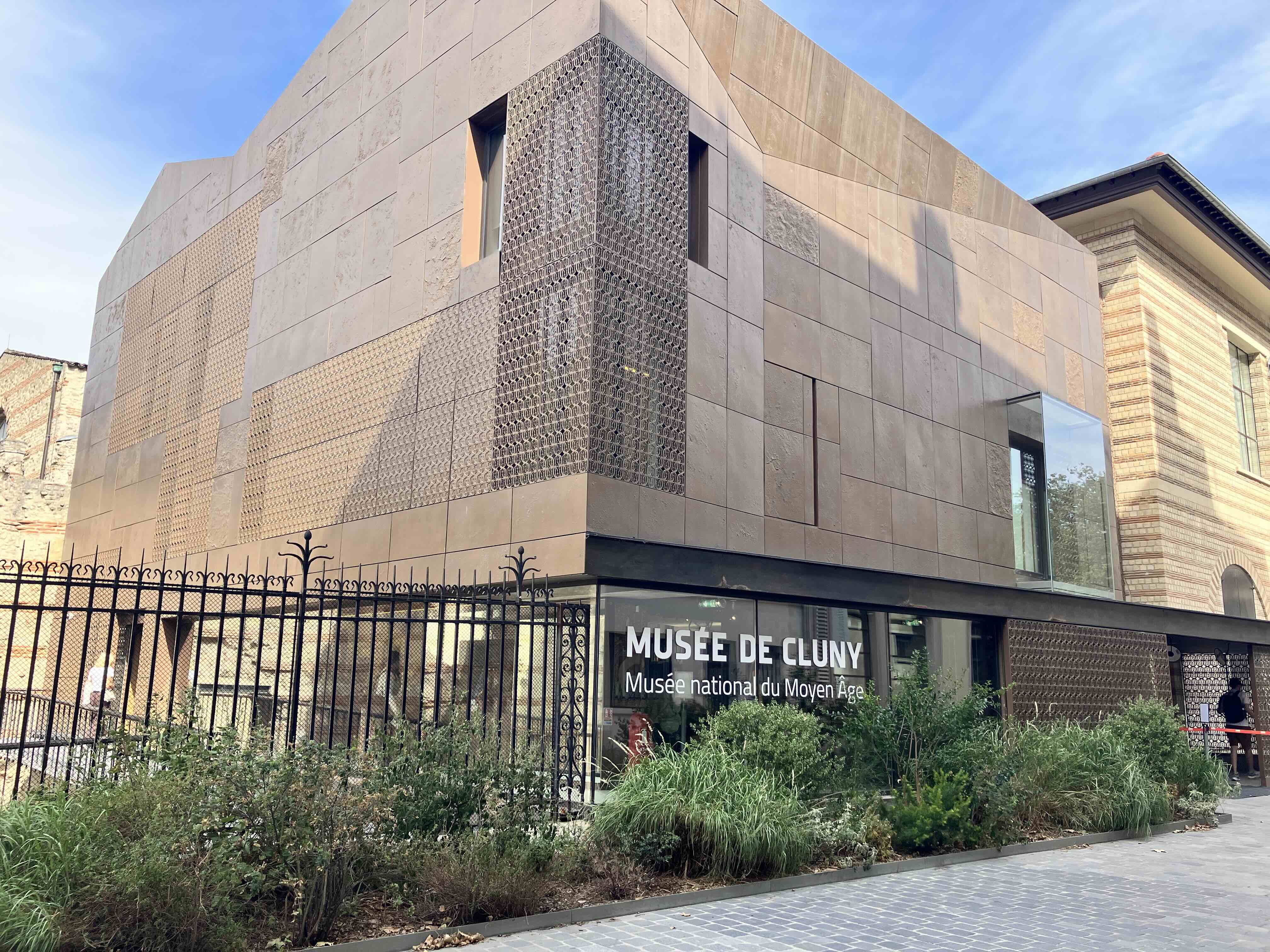
The new Musée de Cluny is a must to visit. We had visited two years ago, so some of it was familiar, but this time there was something that completely surprised me: the former sculptures from Notre-Dame.
Cluny shows a Paris that is largely unseen in the other museums. Even Carnavalet does not give you quite this version of the city. Here, the story goes much further back. The Roman remains and medieval collections make Paris feel very, very old. There is also something strongly religious about the collection, which is not surprising considering how much medieval art was made for churches.
The museum itself feels manageable. There is no sense of being faced with a huge dump of objects. The collection feels carefully chosen, and the size makes it possible to take your time without becoming overwhelmed.
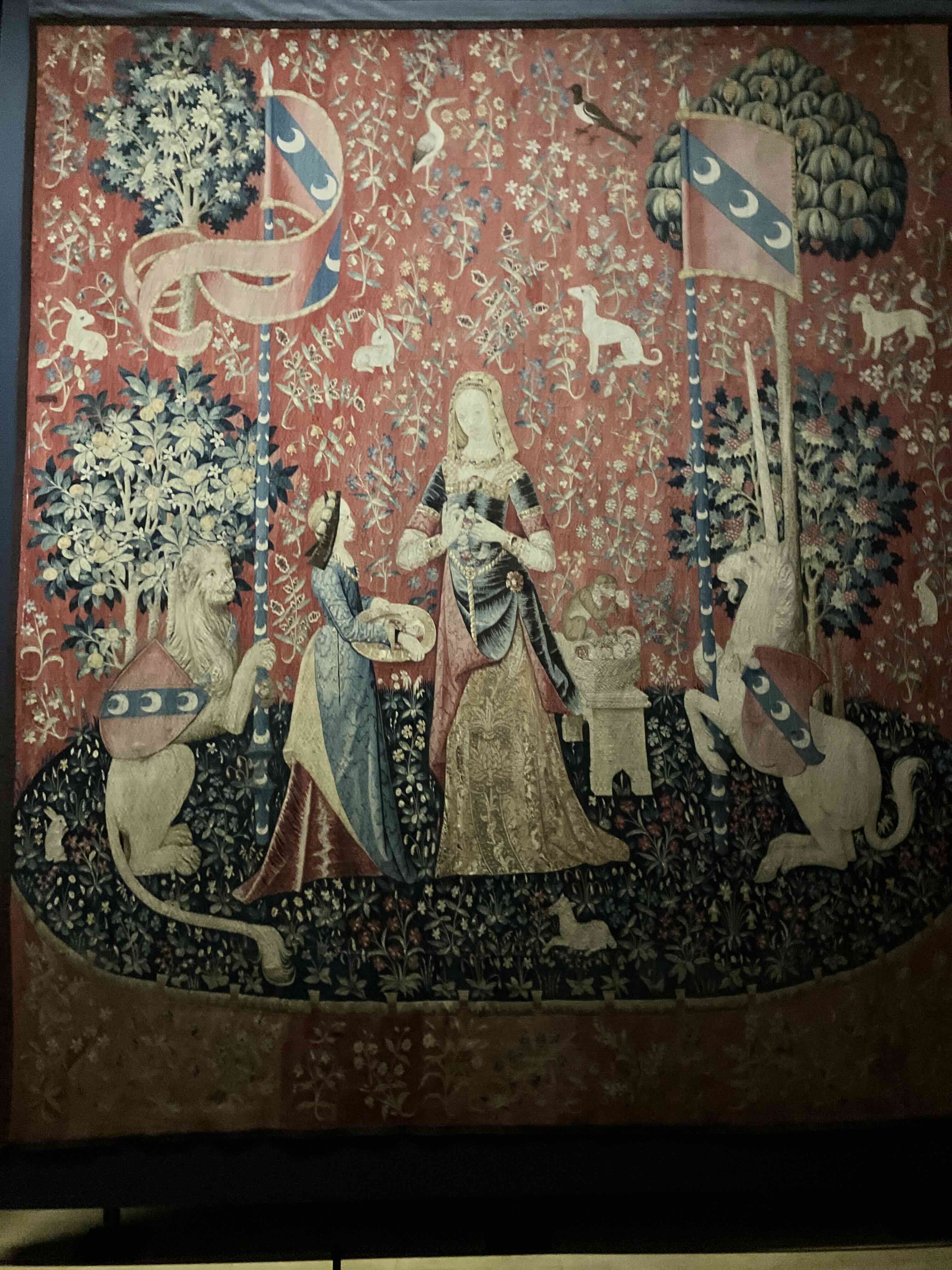
The Lady and the Unicorn
Of course, the Lady and the Unicorn tapestries are the great moment.
They are absolutely unique in the world, and for visitors from the United States in particular, this is something very special to see in Paris. Photographs really do not prepare you for their size. You can stand quite far away and see the composition, but then move closer and put your nose almost against the fabric and suddenly the details appear.
You see the fabrics. You see how the figures are depicted. You notice things that simply disappear in a photograph. They are massive, and there is something about seeing them at their actual scale that makes the experience completely different.
I did wish there were more explanation of the stories and symbolism behind them. The museum explains quite a lot about how the tapestries were made, but I wanted more about the senses and the meaning behind the scenes. I also found myself wanting to know more about the Carolingian period and Paris. I wanted to know more about the depiction of the five senses and what it meant.
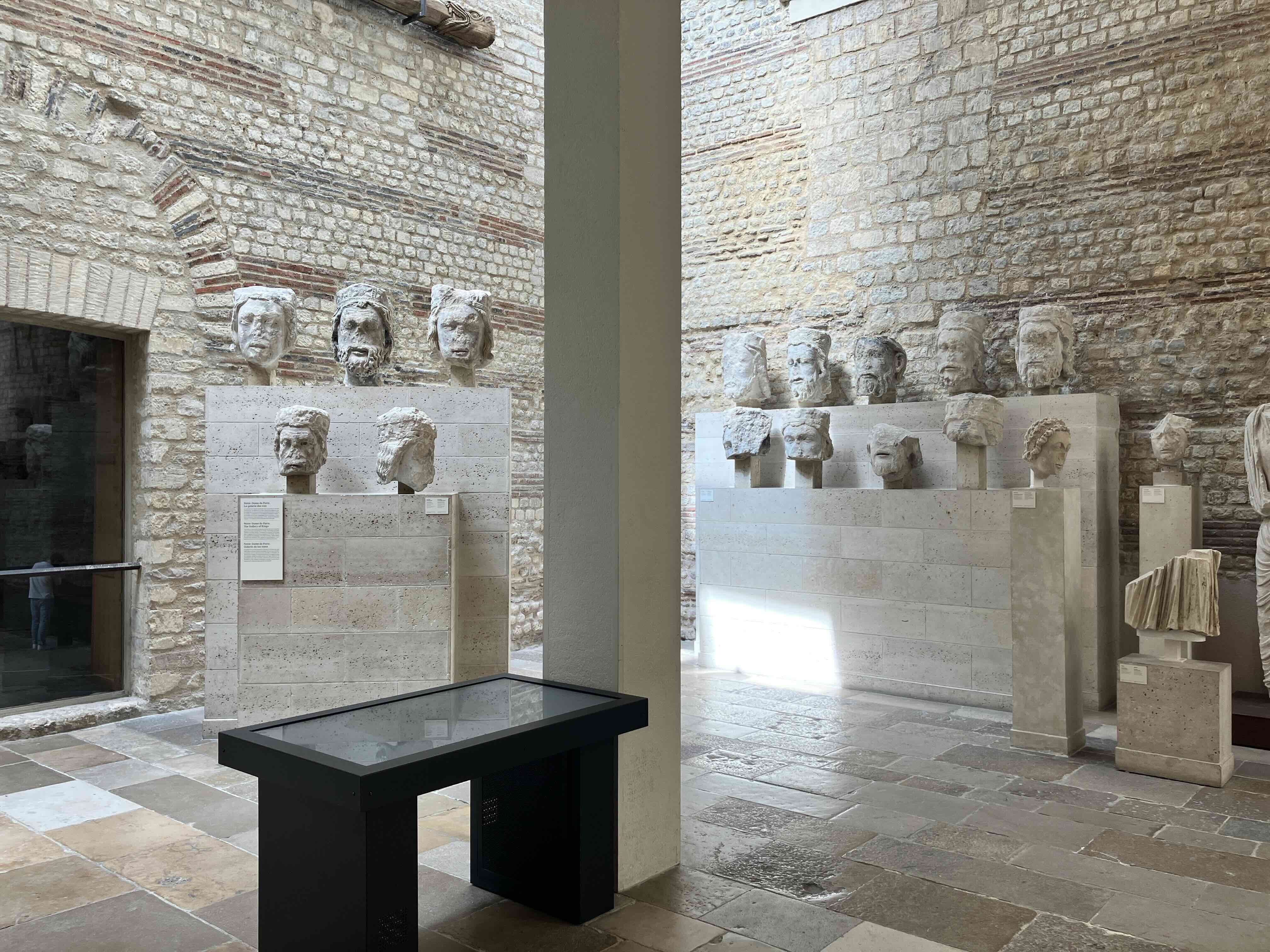
The Heads of Notre-Dame
The biggest surprise for me was not actually the tapestries. It was the Notre-Dame sculptures.
During the Revolution, the sculptures were removed and their heads were cut off because revolutionaries mistakenly believed that the figures represented members of the French royal family. They were actually biblical figures. Twenty-one of the twenty-eight surviving heads can now be seen at Cluny. I had visited the museum before and knew the collection, but I did not know this part of the story.
Seeing them made me realise how much more damage the Revolution did to Paris than I had understood. The Revolution brought enormous destruction, although it also produced changes that became important in the long term, including standard measurements and surnames. But standing in front of these heads, the destruction of the city's religious art becomes very concrete. For me, that was the most unexpected part of returning to Cluny.
Who Should Visit Cluny?
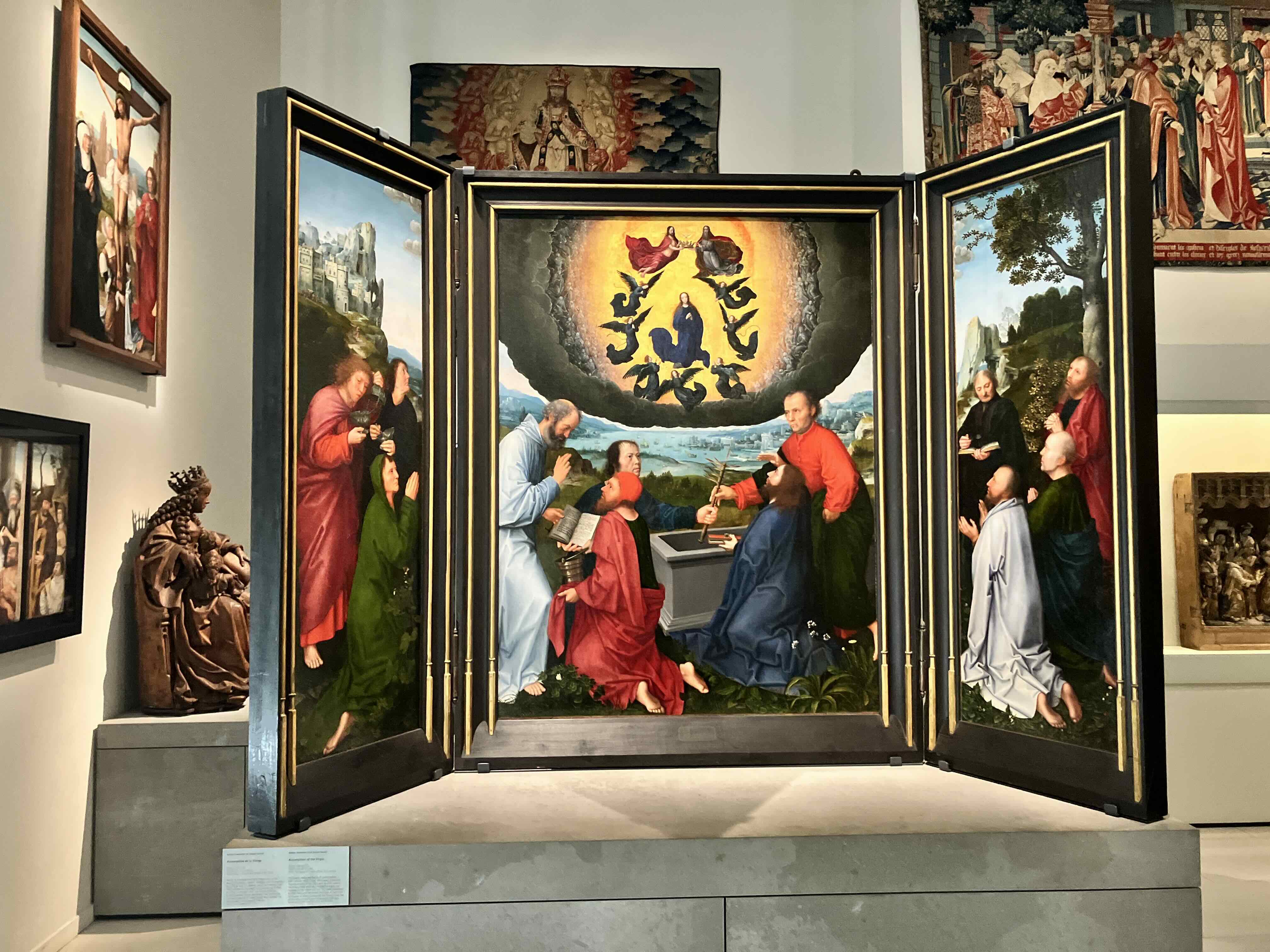
As a bookbinder, I also found some of the books particularly interesting. Someone else might remember the tapestries above everything else. That is one of the strengths of Cluny: there are different ways into the collection.
If you are interested in medieval history, religion, tapestries or art, I would absolutely go. There are some of the best objects you can see anywhere in medieval religious art, and the Paris setting makes the collection even more interesting.
It is also a museum I would recommend to someone who thinks they have already seen all the important museums in Paris. They may not have seen this Paris yet.
If you only have a few hours and medieval art does not particularly interest you, I would probably choose one of Paris's smaller major museums instead, such as the Marmottan or the Orangerie. But if Cluny's subjects appeal to you, make the time.
The Lady and the Unicorn alone is extraordinary. The Notre-Dame sculptures are something I did not expect to find. And together they give you a glimpse of a Paris that is much older than the city most visitors come to see.
Want to discover the medieval Paris most visitors never see?
The Musée de Cluny takes you beneath the familiar image of Paris, from Roman remains to medieval religious art, the extraordinary Lady and the Unicorn tapestries and the surviving heads of Notre-Dame. It is one of those museums that can completely change how you look at the city.

Robert Poortinga
Travel Booking Assistant
River cruise & Europe destination expert
Culinary and art travel specialist
Concert Pianist
