.svg)
Why the Most Expensive Seat Isn’t Always the Best Seat: How a Concert Pianist Chooses the Perfect Place in the Hall
Walking into a historic concert hall changes the experience before the music begins
There is something about walking into a historic European concert hall that changes the way you listen. We always notice the hall before we notice the seats. The architecture, the atmosphere, the anticipation before the first note is played. You are already preparing yourself for the experience.
For some guests, the magic comes from being close to the artist. Sitting near the stage, seeing the hands of a pianist fly across the keyboard, feeling almost part of the performance. That is a very real experience, and for many people that is exactly what they are looking for.
But when I choose concert seats for clients, I start somewhere else. I look at the hall, the repertoire, and the instrument. A piano recital in a large concert hall asks something different from a full orchestra. A violin recital, a string quartet, or a symphonic work all create a different sound world.
The closest seats are not always the seats where the music has had time to develop. From very close to the instrument, you often hear individual details rather than the complete sound. You might hear the attack of the keys, the pedal, the movement of the performer, but the instrument has not yet blended with the acoustics of the room.
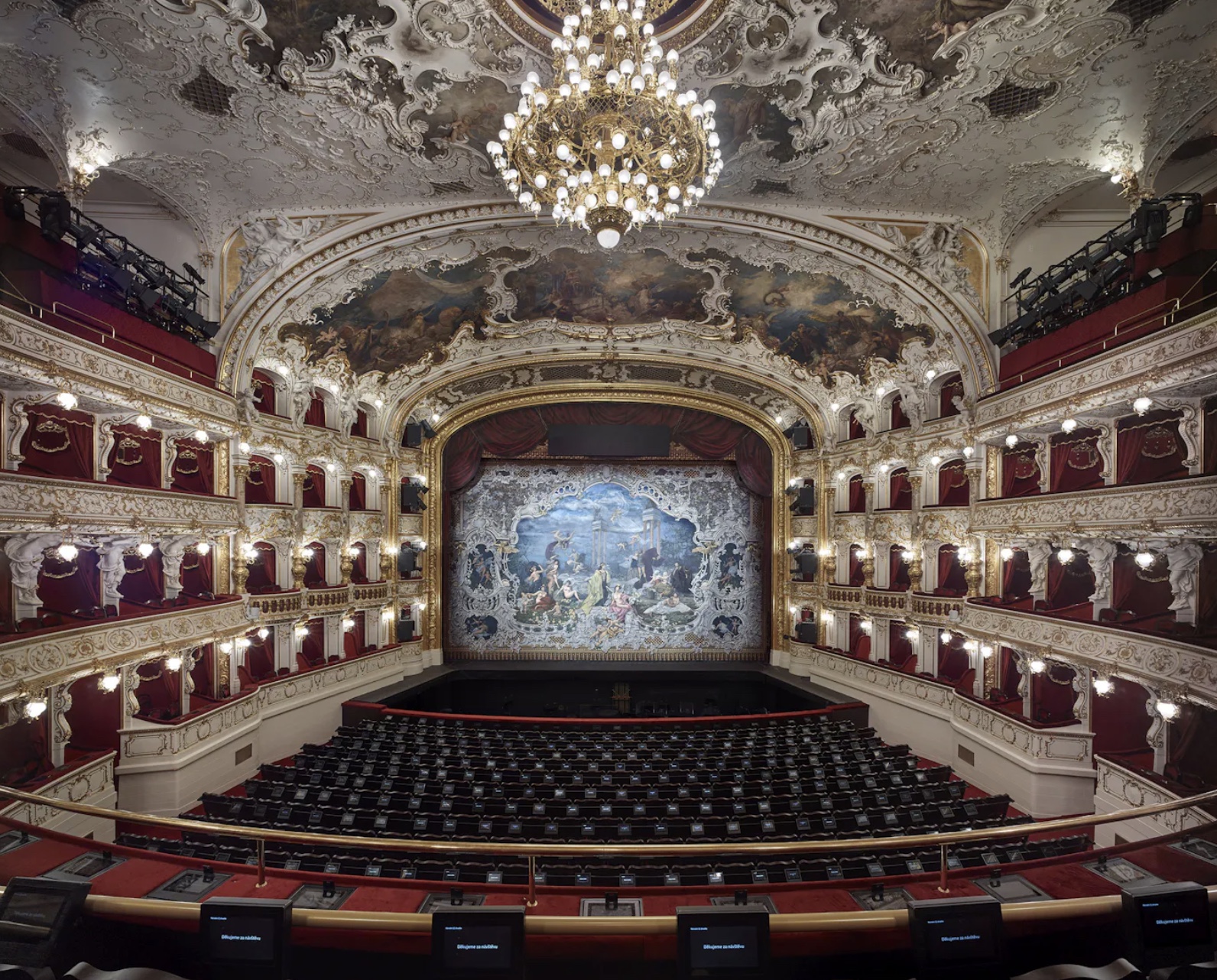
The place where I would put the microphones is often where I want to sit
When I attend a concert, I often think like a recording engineer. A close friend of mine, Jean van Vugt, who worked on legendary recordings with artists such as Uchida, Brendel, and others legends, always used only two microphones. His philosophy was simple: we have two ears, so the recording should reflect how we naturally hear.
For piano solo, I usually prefer to sit in the middle of the hall, aligned with the instrument. I do not need to see the pianist’s hands. What matters to me is hearing the complete sound.
I also like to be around 15 to 20 meters away from the stage. At that distance, the sound has space to develop. The bass, middle, and treble begin to connect into one instrument rather than separate sounds coming directly toward you.
I experienced this myself during a Volodos performance. I was sitting in the first row, a seat many people would consider a dream location. I could hear everything. I could hear his breathing, his pedal movements, even details that normally disappear. But musically, I missed something. It wasn’t his playing but the sound was too close and too separated. I was observing the instrument rather than receiving the full musical picture.
The famous box seat is about more than acoustics
The royal boxes and premium seats in historic halls have always represented something special. They were created for visibility, status, and proximity to the performance. They were not simply designed as acoustic listening positions.
That does not mean they are bad seats. The experience of sitting in a beautiful historic box can be unforgettable. The feeling of being part of the history of a hall matters.
But acoustically, every hall has areas that work better for certain performances. Even a hall with an extraordinary reputation can have seats that are less ideal. In the Concertgebouw in Amsterdam, for example, the acoustics are famous, but sitting behind a large pillar changes your experience because your view and connection with the stage are affected.
The same applies to seats directly beside or behind an instrument. With a concert grand piano, the best projection comes when you are facing the body of the instrument. Sitting behind the piano is never the ideal choice. The sound is simply not travelling toward you in the way the performer hears it.
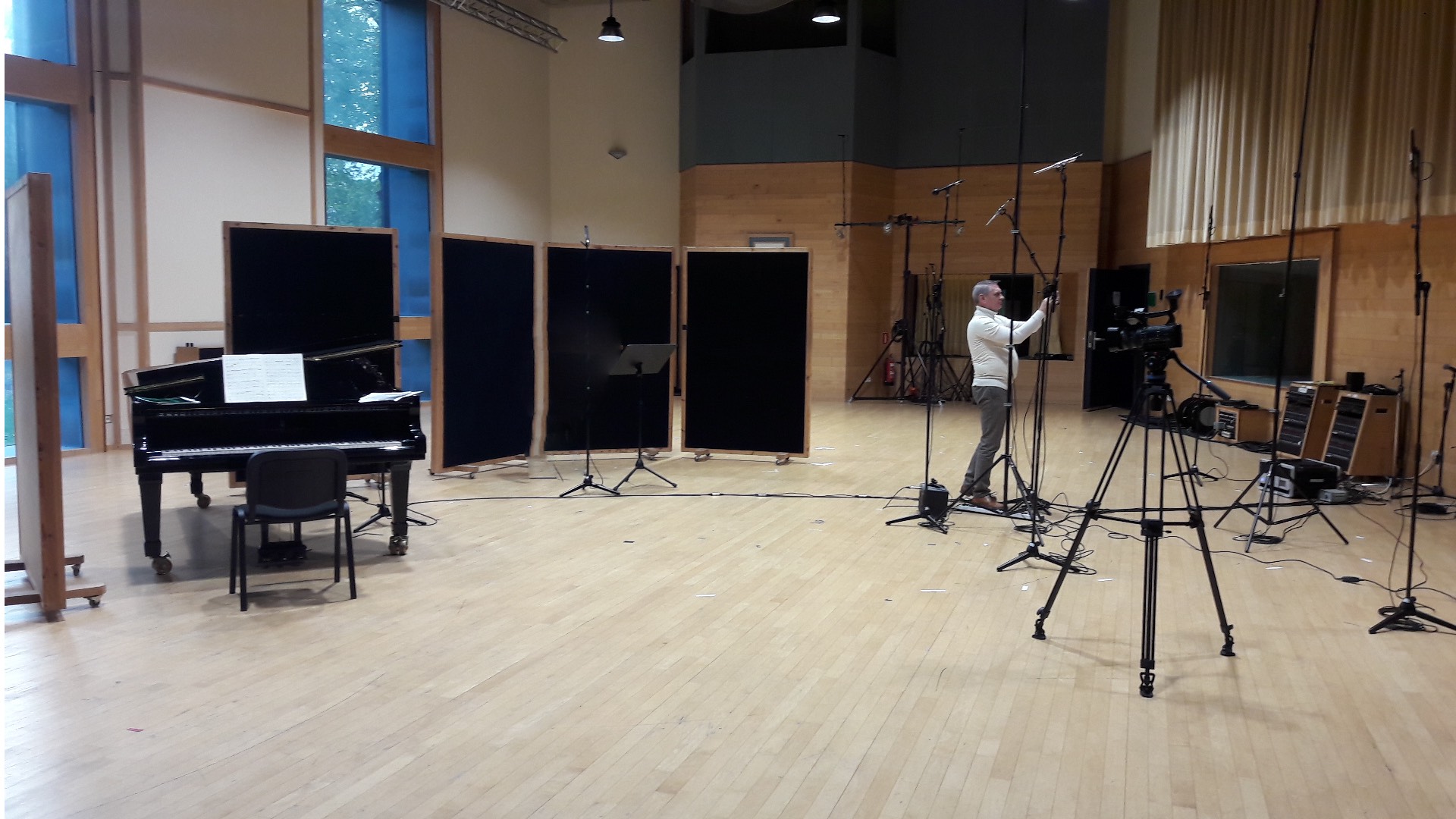
Choosing the right seat starts with knowing what you want to feel
The perfect seat depends on the person sitting in it.
When I advise DeSalvio Travel clients, I ask what they truly want from the evening. How much do they love classical music? Are they coming for a specific performer? Do they want a deeper connection with the music through a themed journey? What instruments do they love?
Some guests want the closeness of the artist. Some want the best possible sound. Some want the once-in-a-lifetime feeling of entering a famous box in a legendary hall.
There is no single answer.
The mistake is assuming that the most expensive ticket automatically creates the best experience. The right choice depends on the hall, the repertoire, the instrument, and the reason you are there.
For me, the most memorable seat is the one where everything comes together. I remember choosing seats for one of the final performances of the Hagen Quartet. I sat with my mentor in the middle of the hall, around 15 to 20 meters from the stage. The sound was balanced, the performance was extraordinary, and afterwards my friend Lukas Hagen saw me during the applause, smiled, and waved his bow. We celebrated the evening afterwards over a beer.
That memory was never about having the closest seat. It was about hearing the music exactly as it was meant to be heard.
Experience Europe's Great Concert Halls the Right Way
At DeSalvio Travel, we believe an unforgettable concert is about far more than simply securing a ticket. Choosing the right hall, the right performance, and even the right seat can completely transform the experience.
Thanks to our relationships with trusted local partners, concert venues, and cultural experts across Europe, we help our clients enjoy performances in a way that goes beyond what is available through standard ticket platforms. Whether you're planning a journey around the Salzburg Festival, La Scala, the Concertgebouw, the Musikverein, or an intimate recital in a historic palace, we can help you experience classical music as it was meant to be heard.
If you'd like to combine exceptional concerts with carefully curated hotels, dining, river cruises, or cultural experiences, we'd be delighted to help you plan your journey.
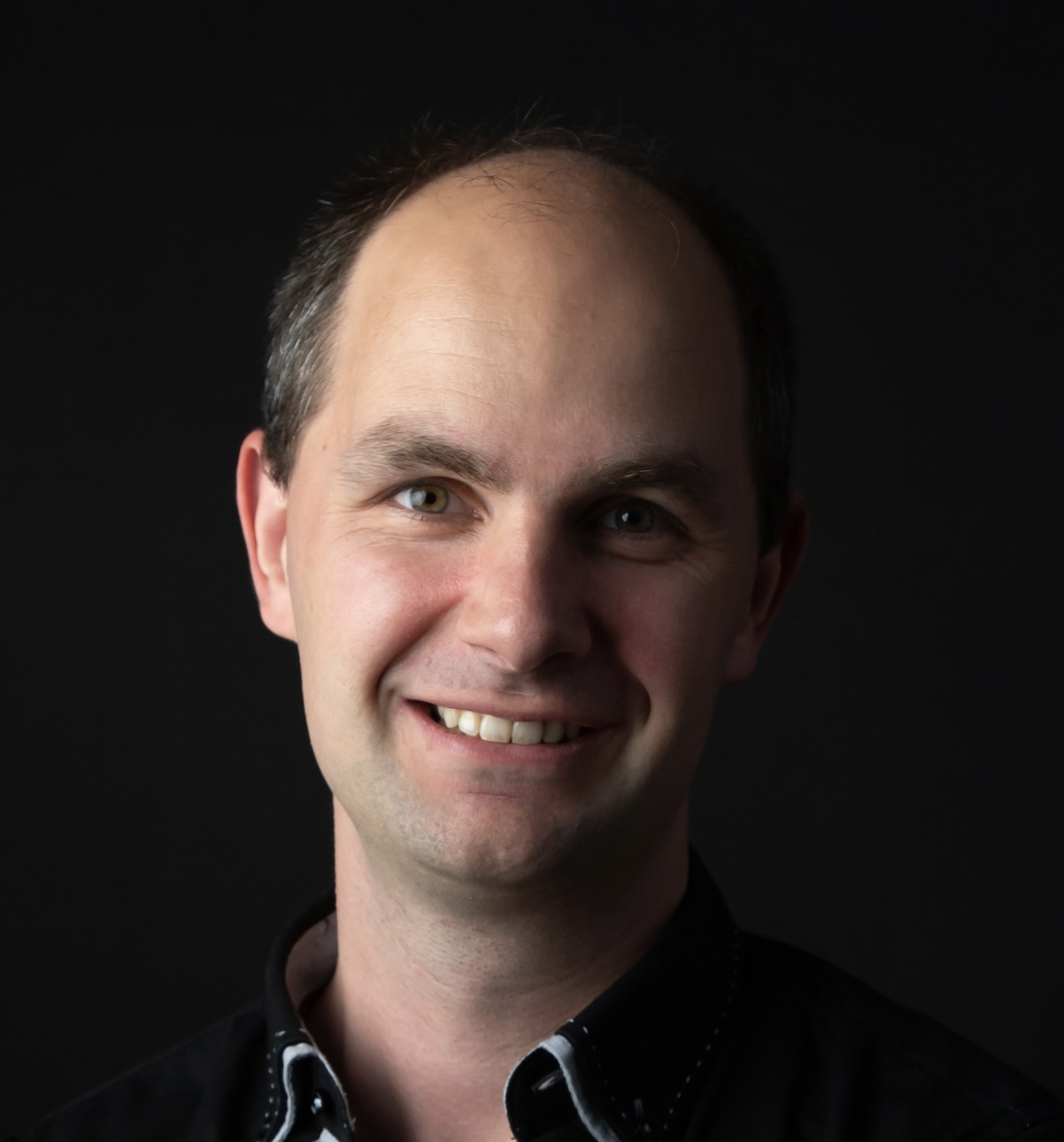
Robert Poortinga
Travel Booking Assistant
River cruise & Europe destination expert
Culinary and art travel specialist
Concert Pianist
_Black.png)