.svg)
The Great American Halls: A Pianist’s Guide to Experiencing Carnegie Hall, Metropolitan Opera, and Beyond
Walking into America’s great concert halls for the first time
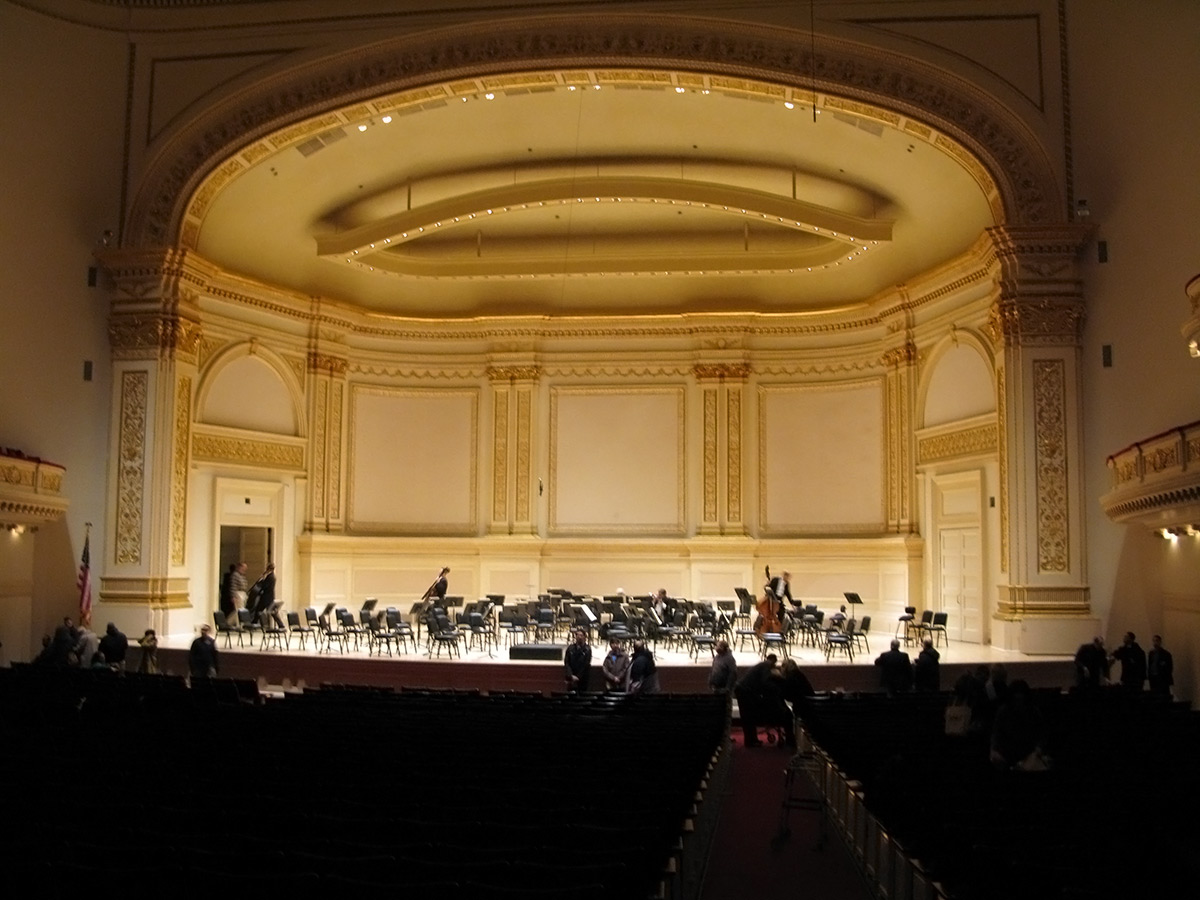
I still remember the first time walking into Carnegie Hall. After spending two years in New York during my studies, I returned to that hall many times, and it never lost its impact.
What surprised me most was not only the famous history attached to the building. It was how clearly the sound travelled. Sitting high in the hall, you could still hear details from the stage. The movement of the performers, the smallest changes in colour, even the feeling of the musicians breathing with the music.
Many people think the best seats are always the closest ones. My experience has been different. A great hall is designed to carry sound through the entire room. Sometimes the upper levels give you a perspective where everything comes together.
I have experienced the same feeling in the Metropolitan Opera House. The clarity throughout the hall is remarkable. Whether you sit close to the stage or further back, the connection with the performance remains strong.
Every hall has its own personality
When people ask which concert hall is “the best,” I find the question difficult. Every great hall has its own character.
Boston Symphony Hall has its own reputation and history. Carnegie Hall has its own identity. Modern venues on the West Coast bring something completely different. They are not competing with the older halls. They are creating their own traditions.
A historic hall carries the memory of the musicians who performed there. A newer hall does not have those decades of stories yet, but audiences today are part of creating that history.
That is something I find exciting when travelling for music. You are not only visiting a famous building. You are experiencing a place while its musical identity continues to develop.
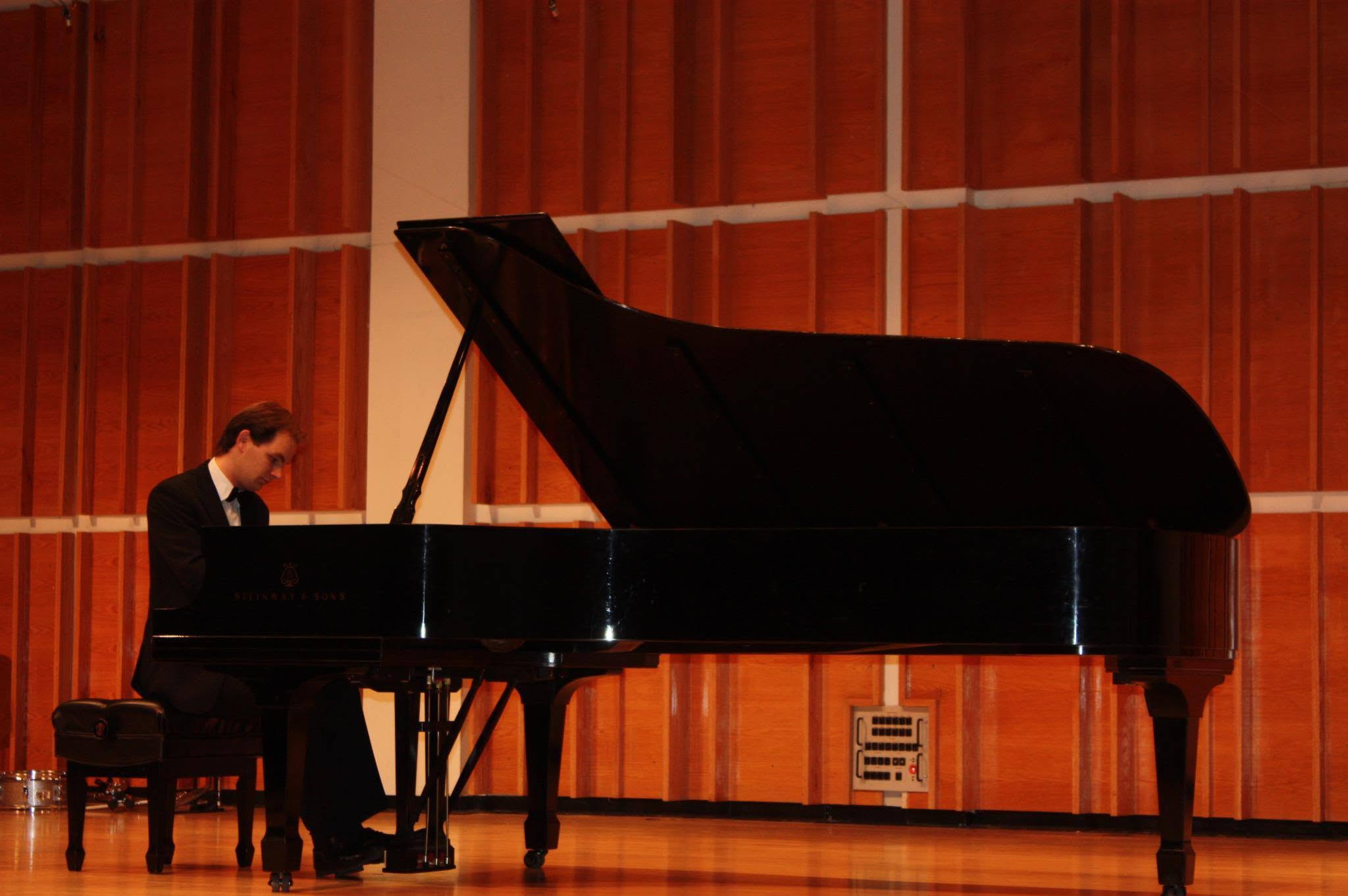
One of my strongest memories was performing at Merkin Hall at Lincoln Center. Sitting on stage with a great piano in front of me was an incredible experience. As a performer, you hear the instrument differently from the stage. Sometimes the sound is not what you expect because you are inside the performance itself. The audience often receives a much more complete sound than the musician does.
Planning a musical weekend around the right orchestra
A great classical music trip in America should not stop at New York.
Boston, Philadelphia, Cleveland, and Chicago all have their own traditions. Their orchestras have developed through generations of musicians and conductors. The history behind an orchestra changes the way you experience a concert.
I especially love the Boston Symphony Orchestra because of its long tradition and refinement. When you understand where an orchestra comes from, who influenced its sound, and which composers are connected with its history, you begin listening differently.
That is what we look for when creating journeys for DeSalvio Travel. We do not simply look for a concert on a certain date. We look at the orchestra, the conductor, the programme, and how it fits with the person travelling.
A concert can become much more meaningful when it is connected with the rest of the day. We might plan a museum visit, a special dinner nearby, and then an evening performance. The restaurant choice depends on the guest. Some want a relaxed meal before the concert, others want a more formal experience afterwards. We look for the combination that feels right.
A week through America’s classical music cities
If we were planning a first classical music journey through the United States, we would start in Boston and continue to New York, Philadelphia, Cleveland, and Chicago.
Each city offers something different beyond the concert halls. The museums alone make these stops worthwhile.
There are performances that stay with you long after the final applause. For me, one of those moments was hearing Garrick Ohlsson perform Rachmaninoff’s Third Piano Concerto at Carnegie Hall. It was one of those rare evenings where everything came together.
I also appreciate something about American audiences that feels different from many European halls. At the Metropolitan Opera, people laugh, react, and express themselves. It feels alive.
In earlier centuries, concert halls were not always completely silent places. Audiences reacted during performances. They showed their emotions. Music was a shared event.
That feeling is still present in many American venues. It reminds us that these halls are not museums. They are places where something happens every night.
Let's Design Your American Music Journey
Planning a classical music journey through the United States? We design bespoke itineraries around exceptional performances, historic concert halls, fine dining, and the cultural experiences that make each destination unforgettable. Whether your dream is Carnegie Hall, the Metropolitan Opera, Boston Symphony Hall, or a week exploring America's great musical cities, we'll help create a journey that fits your interests and pace.

Robert Poortinga
Travel Booking Assistant
River cruise & Europe destination expert
Culinary and art travel specialist
Concert Pianist
_Black.png)