.svg)
The first cathedral that completely changed the way I played and listen to music
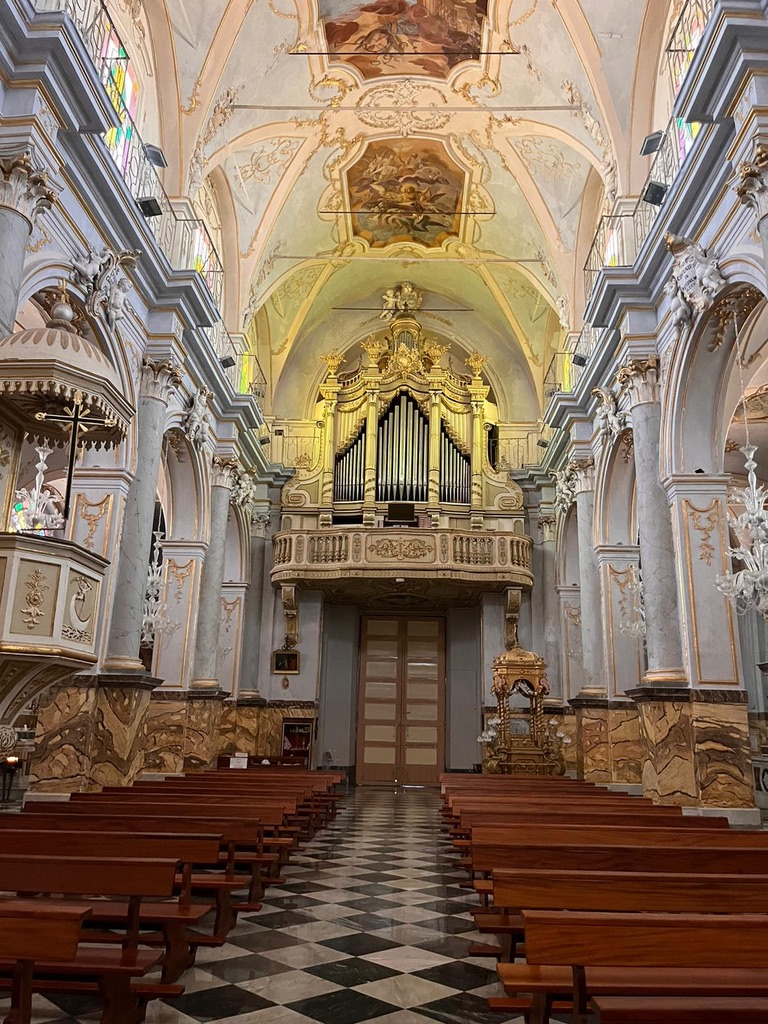
I thought I understood how a violin and piano recital should sound until we were invited to perform in a cathedral in Friesland in the north of the Netherlands. The building was magnificent, but after only a few seconds I realised that the space itself was going to determine the performance.
The reverberation lasted several seconds. Every note travelled in the air long after it had been played. We had no idea how the audience would experience the concert, so we recorded the rehearsal and walked to the back of the church to listen.
The difference was surprising; passages by Handel had become blurred into one continuous stream of sound. The articulation had disappeared, and musical lines that felt perfectly clear from the stage had turned into something entirely different in the nave.
We went back to the piano and started changing everything. We slowed the tempi dramatically, left much more space between phrases, and allowed the building to become part of the interpretation. That rehearsal changed the way I think about acoustics. Since then, I have never walked into a church expecting to play exactly as I would in a concert hall.
Some music feels as though it was written for these spaces
The more churches I have played in and visited, the more I have realised that every building asks different things from the performer.
These spaces were originally designed for speech, liturgy, chant, and sacred singing. When I hear Gregorian chant, Monteverdi, Palestrina, or Bach's organ music inside a large cathedral, everything feels naturally connected. The building supports the music rather than competing with it.
Other repertoire is much more demanding. Virtuoso piano music, fast violin sonatas, or highly articulated chamber works require constant adjustments. The acoustics simply do not allow every detail to remain clear unless the performers adapt their interpretation.
That is something audiences rarely realise. During the rehearsasl, musicians spend a significant amount of time listening as they do playing. Echoes return later than expected, ensemble communication changes.
Every historic church teaches you something different, and I have learned that the building itself always deserves respect.
One of my greatest musical memories happened in a mountain village church
One of the most memorable concerts I have ever attended was not in a famous cathedral.
I was about thirteen years old when my family travelled to a small village in the Italian-speaking part of Switzerland. That evening there was a performance of Mozart's magnificent Clarinet Concerto in the local church. We arrived early, convinced we would have plenty of choice for seating, but the church was already full of people.
The doors remained open because of the warm summer evening. There was no sense of occasion in the formal way that many famous concert halls have. It simply felt as though the whole village had come together to listen.
I still remember the atmosphere as vividly as the music itself. Nothing about the evening depended on grandeur. It depended on the people, the intimacy of the church, and the feeling that everyone present genuinely wanted to be there.
That experience stayed with me and continues to influence the way I design musical journeys today. Some of the most remarkable performances happen in places that never appear on the front page of a guidebook.
Historic churches ask something from everyone inside them
Performing in these buildings has also taught me to expect the unexpected.
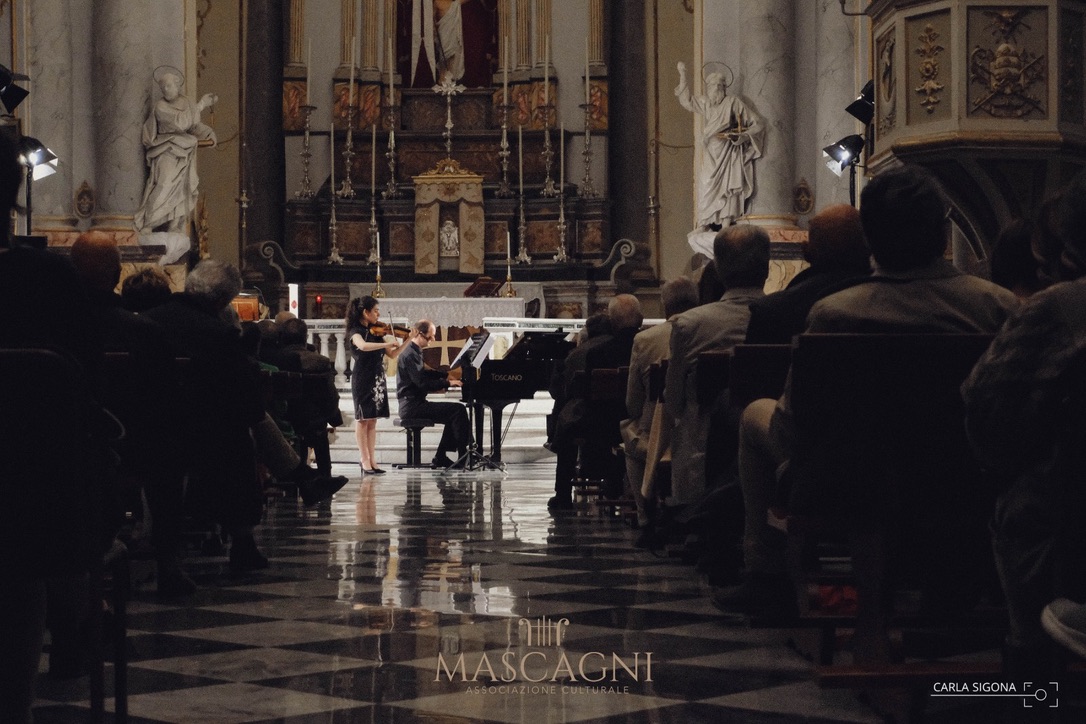
I remember playing a concert in Sicily at the beginning of May. During the afternoon it had been over ninety degrees fahrenheit, so we naturally dressed lightly for the evening performance. What we had not anticipated was how cold the stone church still was after the winter months.
As the concert progressed, our hands became colder and colder. For a pianist and a violinist, that is something you notice immediately. Somehow we made it through the demanding final movement of Saint-Saëns, but it remains one of the coldest concerts I have ever performed.
Experiences like these remind me that historic churches are living buildings with their own personalities. They shape the music just as much as the musicians do.
When I recommend sacred music experiences to clients, I never choose them simply because the church is famous. I look at the programme, the performers, the size of the ensemble, and whether the repertoire truly belongs in that space.
When all those elements come together, something very special happens. The audience is no longer simply attending a concert. They are experiencing music in the kind of setting for which much of it was originally imagined.
Many of Europe's most memorable musical experiences take place far beyond the famous concert halls. From intimate village churches to magnificent cathedrals, we create journeys that combine exceptional performances with the history, architecture, and local culture surrounding them.
Whether you're drawn to sacred choral music, organ concerts, chamber music, or intimate festival performances, we'll design an itinerary that matches the music with the right setting, creating experiences that stay with you long after the final note.
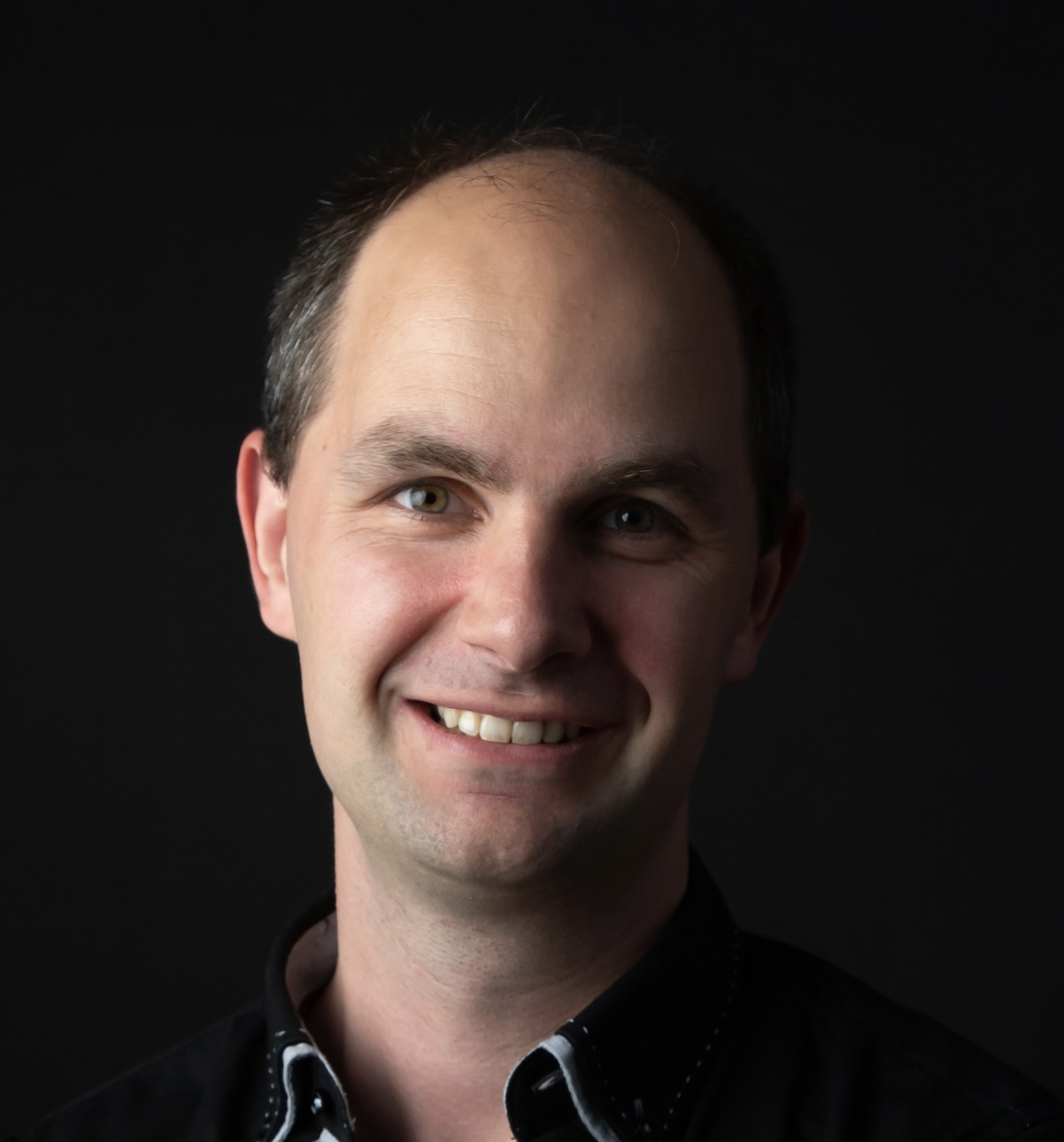
Robert Poortinga
Travel Booking Assistant
River cruise & Europe destination expert
Culinary and art travel specialist
Concert Pianist
_Black.png)