.svg)
The Art of Piedmont: Museums, Palaces and Hidden Collections
I should probably admit that I am addicted to museum visits. When I travel, I want to see everything and thus visit multiple museums daily. The problem is that this is not necessarily the best way to experience a museum. There is simply too much information. After several museums in a day, most people will find themselves looking without really absorbing anything. That is why, when we plan this journey, I would normally suggest one museum a day at most, with something completely different in between.
Piedmont works particularly well for this. The region has magnificent collections, but the journey is not designed as a museum marathon. Stupinigi is one of the places I am most excited to share, while Turin's Egyptian Museum is another possibility for guests who have more time. The difference is the pace. We have time to experience a place rather than simply move through it.
Stupinigi Is More Than a Palace
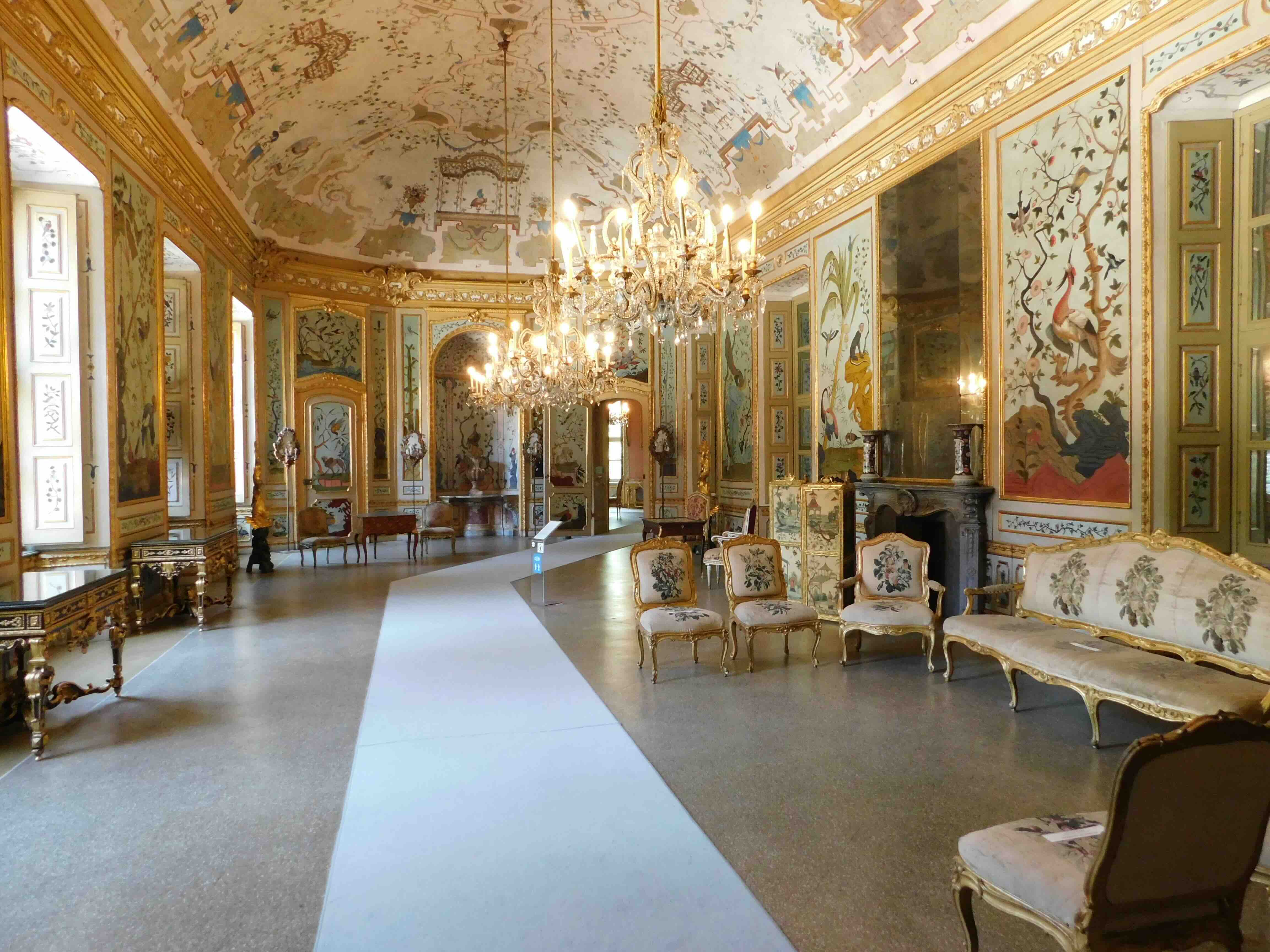
Stupinigi is the clearest example. I have returned several times, and what stays with me most are the interiors. The frescoed walls are extraordinary, but photographs never really give you the sense of the space. The central hall, with the great deer above the building, has a scale that disappears completely on a screen. When I enter somewhere like this, I do not immediately start looking for a particular painting or object. I look at the room first. How large is it? How is the light coming in? What does the ceiling do to the space? Where has the furniture been placed?
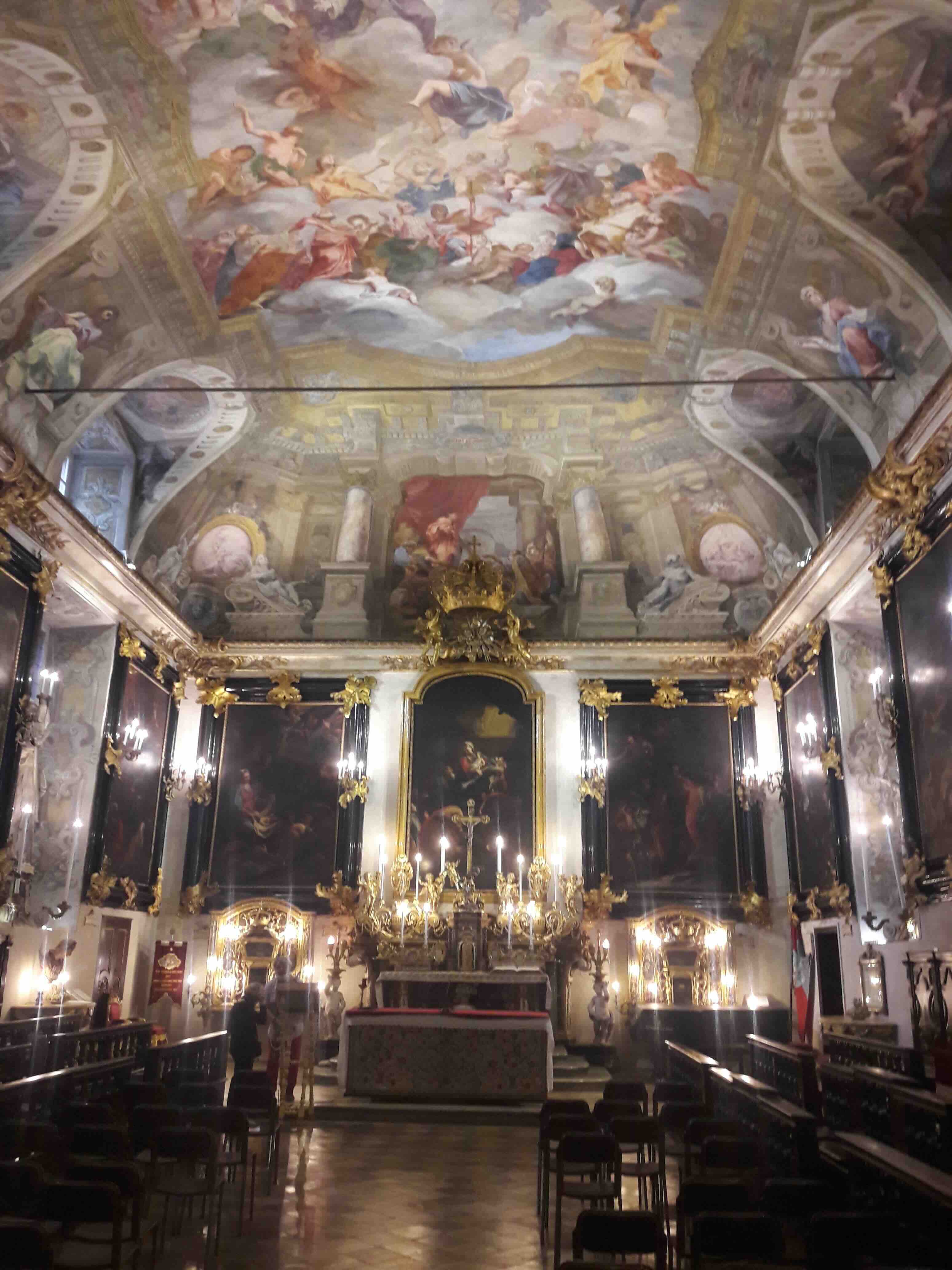
The artwork becomes part of that experience. A painting can look completely different when it is placed in a room with the right proportions and light. The same is true in reverse. A beautifully designed interior can be tightened by the art inside it. This is why I am so interested in the historic buildings of Piedmont. Stupinigi, the Savoy Castle, Cappella dei Mercanti, the Egyptian Museum, the Risorgimento Museum, Palazzo Taffini and Villa Tesoriera all offer something beyond a collection of objects.
Let the Local Guide Surprise You
I do not think guests need to arrive in Piedmont knowing a list of artists or the full history of the region. We have local guides for that. The best guides know these places because they have spent years with them. Some have been walking through the same buildings since childhood. They know the details, but they also know the stories behind them. I remember this particularly from Sara, a guide in Italy who had been giving tours for around thirty years. She did not simply show us Lotto and Moroni. She explained why they painted and what they were trying to express. Suddenly the world around Lotto became much larger. That is the kind of introduction I prefer. I would rather be surprised by something I did not know was there than arrive with a checklist and spend the entire visit looking for the things I have already read about.
Read here the interview with our guide Sara.
Look Behind the Door
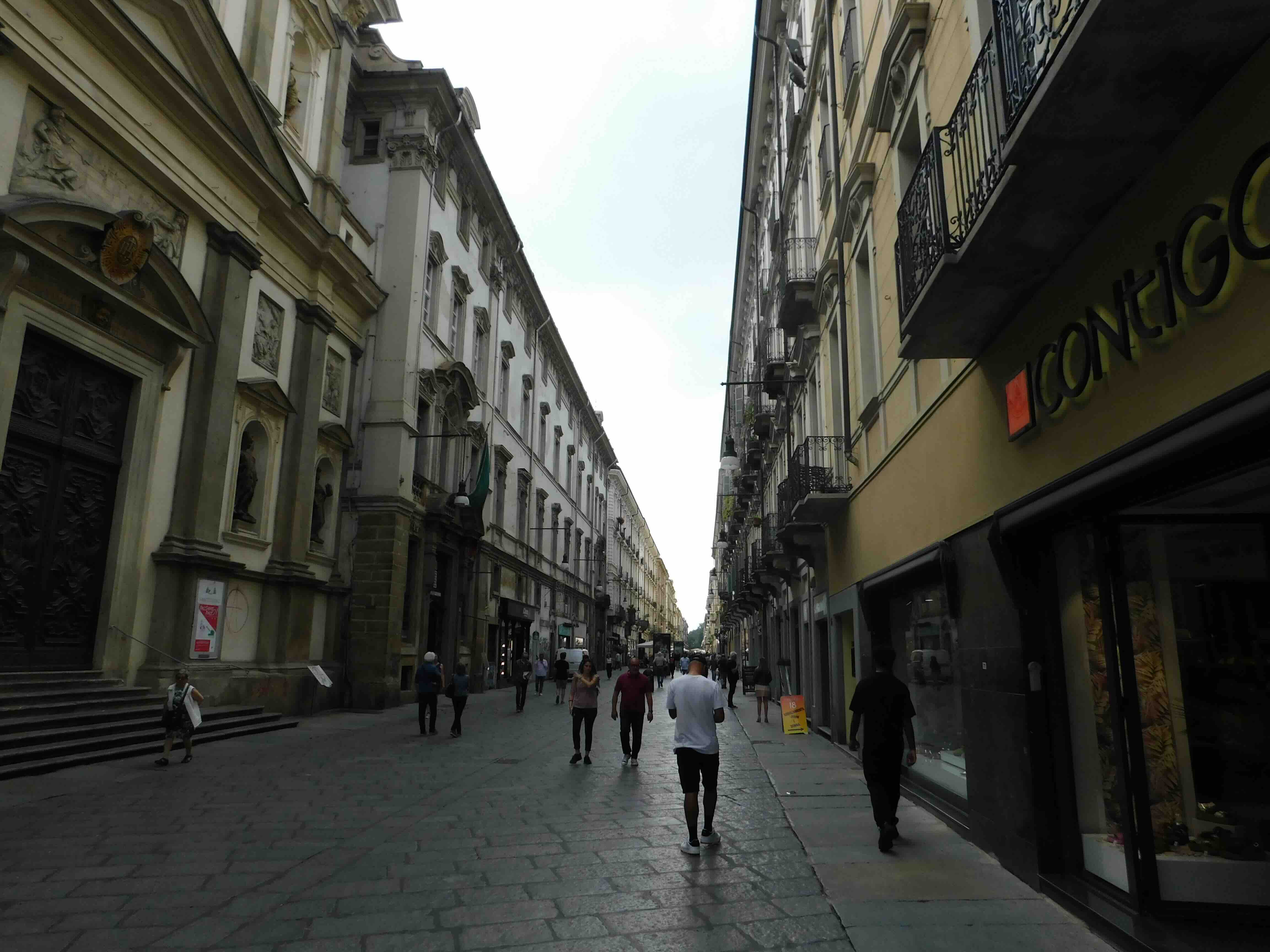
There is another habit I have developed when visiting historic buildings: look where people normally do not look. Peek through a door. Look into a courtyard. If you are on the second or third floor, look through the windows. Some of the most beautiful views and architectural details are not presented as part of the main attraction. I became particularly aware of this in Pinerolo when I was looking for an apartment. I found one with a huge original fresco in the bedroom depicting the liberation of Italy from France. The rest of the apartment was in dreadful condition, but for a moment I seriously considered it just because of that painting.
That is what I like about Piedmont. You can find something extraordinary in a place where you were not expecting it. And that is also why the historic venues are so important to this journey. Taffini and Tesoriera are not simply beautiful buildings to visit. They become the places where we hear music. At Tesoriera, the architecture itself becomes part of the concert. For me, that is a much more memorable way to experience the cultural heritage of Piedmont than simply adding another museum to the list.
Explore Piedmont's cultural landscape
- Piedmont, Italy: A DeSalvio Private Journey Through Music, Art, Wine and Savoy History
- Turin and the House of Savoy: Experiencing the Royal Side of Piedmont
- Piedmont Through Music: Experiencing Private Piano Concerts in Historic Italy
Discover Piedmont beyond its grandest cities
- Pinerolo: The city that me fall in love with Piedmont
- The Langhe: Wine, Truffles and the Landscape of Piedmont
Experience culture at a slower pace
- A Different Way to Experience Piedmont: Music, Food, Culture and Time to Enjoy It
- Why Travel Through Piedmont Slowly? Art, Music and the Pleasure of Staying Longer
Explore the complete private journey
Seeing Piedmont at the Right Pace
Join us in Piedmont for a cultural journey that leaves room to actually experience the places we visit. We will explore Stupinigi with a local guide, discover Turin’s collections and spend time in historic interiors rather than rushing between museums. The journey also brings these buildings to life through private concerts at Taffini and Tesoriera. It is a different way of experiencing art: with time to look, listen and be surprised.

Robert Poortinga
Travel Booking Assistant
River cruise & Europe destination expert
Culinary and art travel specialist
Concert Pianist
_Black.png)