.svg)
Musée Jacquemart-André: The Private Paris We Loved
Oh My God
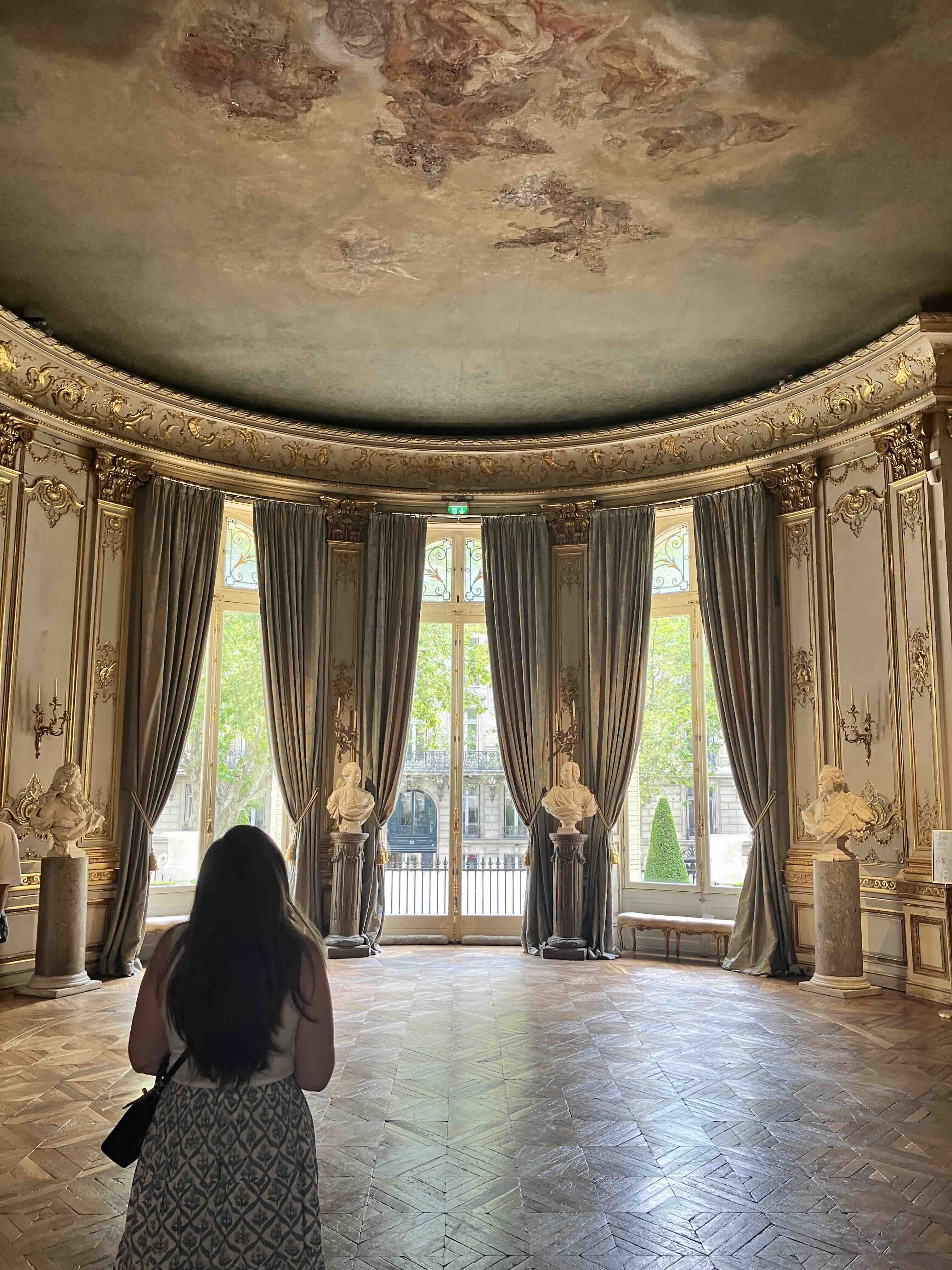
The first thing I thought when we entered the Jacquemart-André was: 'oh my god'. Such impressive beauty. It was almost shocking.
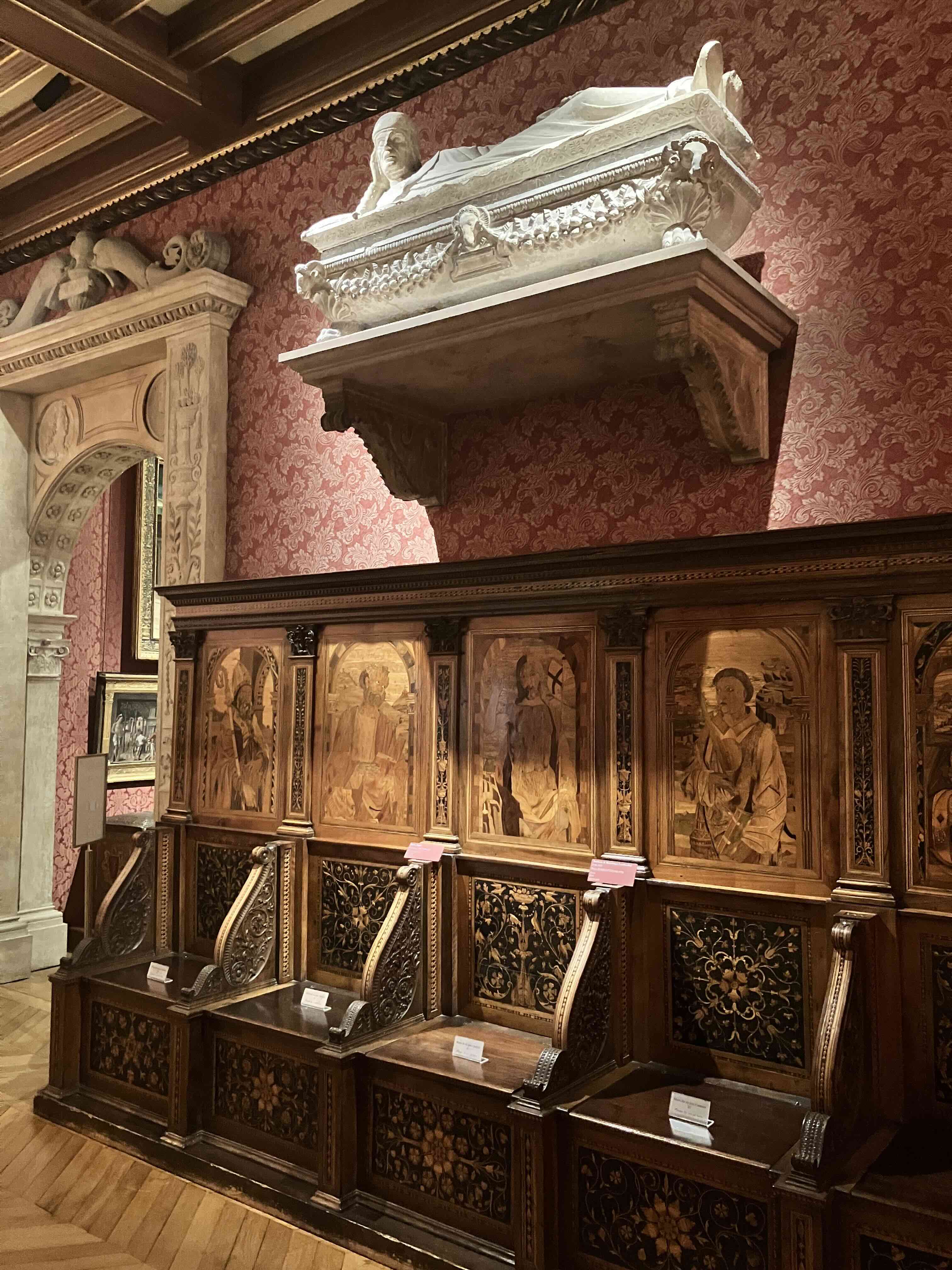
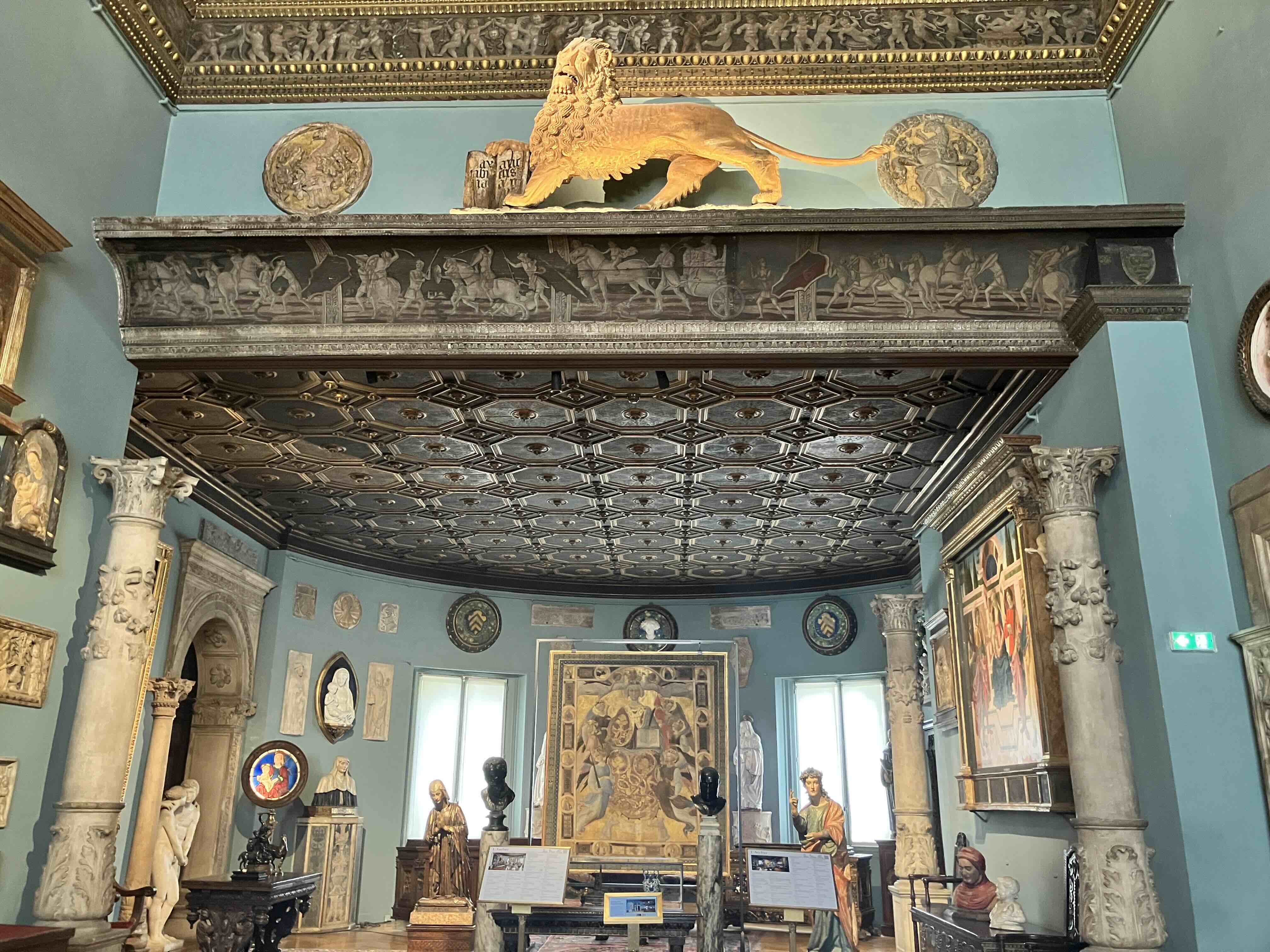
This is one of those museums where the house and the collection are really one thing. Marisa immediately compared it with the Isabella Stewart Gardner Museum in Boston, where the building was created around the collection. Here, the same feeling comes through (although they didn't built it around the collection), particularly upstairs in the religious gallery.
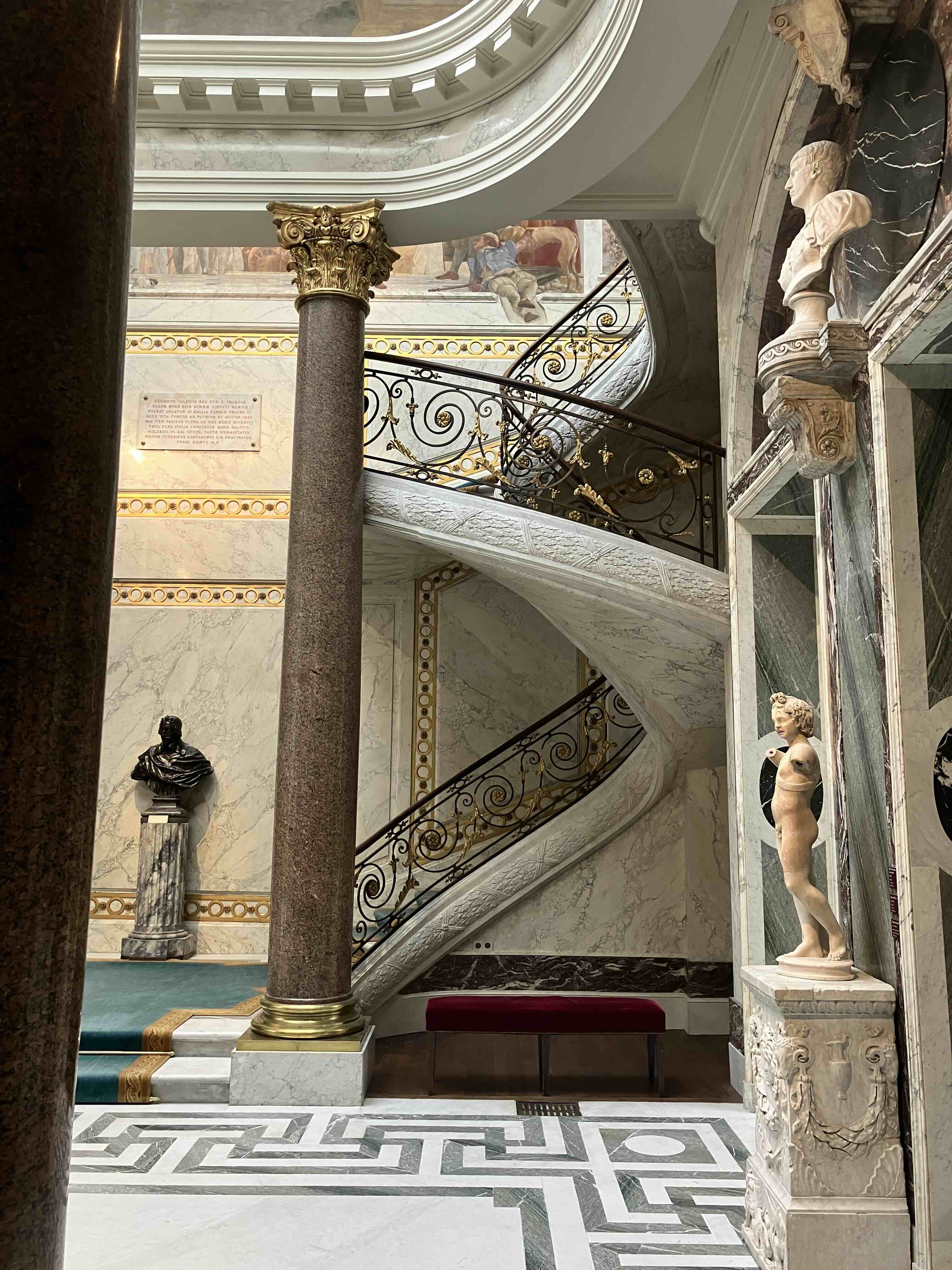
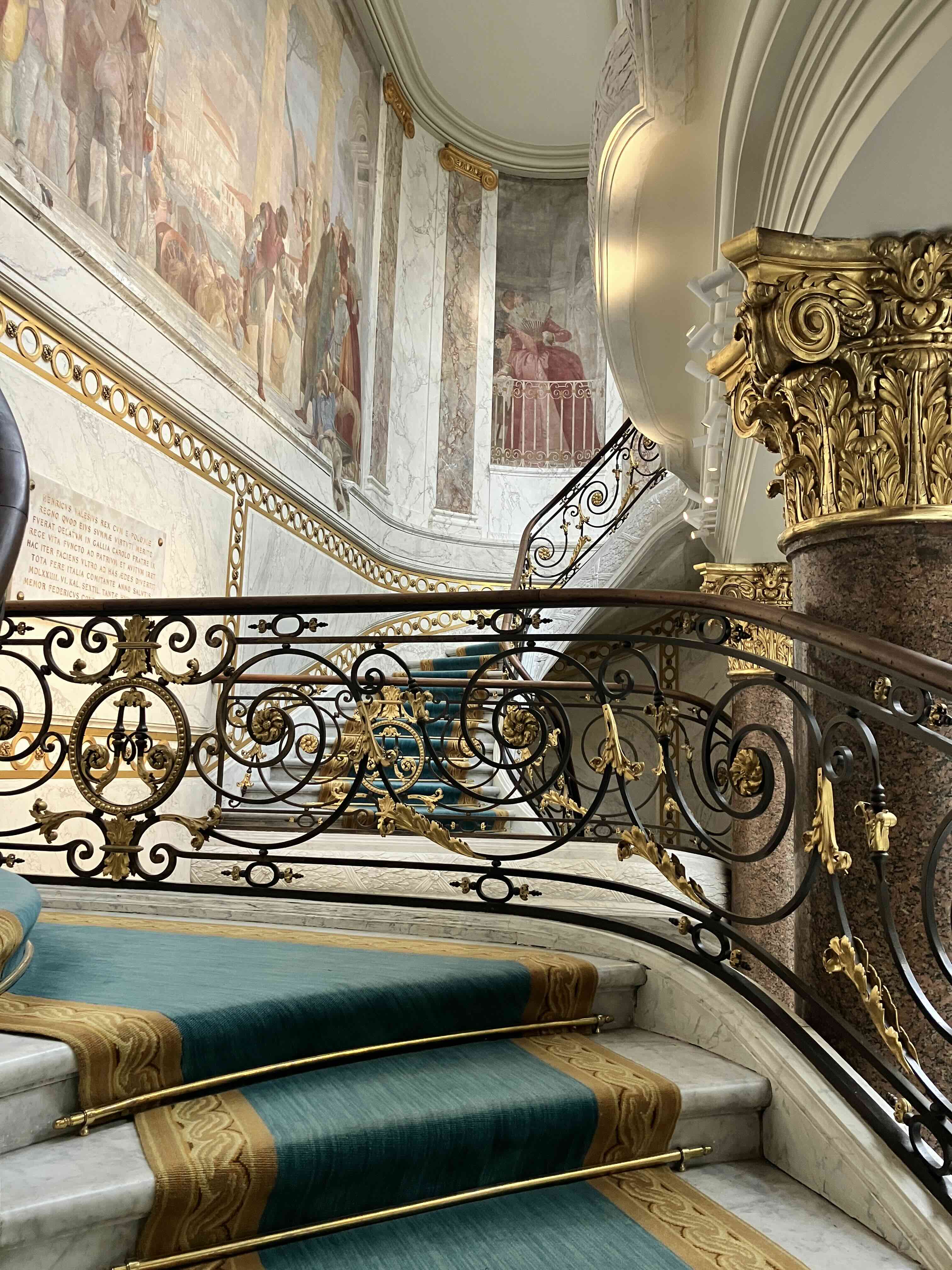
The entrance to the main collection was another moment. We walked through the doors and up the area where the carriages would once have entered the house. They used this part of the building so beautifully that you immediately understand that this was a private home before it became a museum.
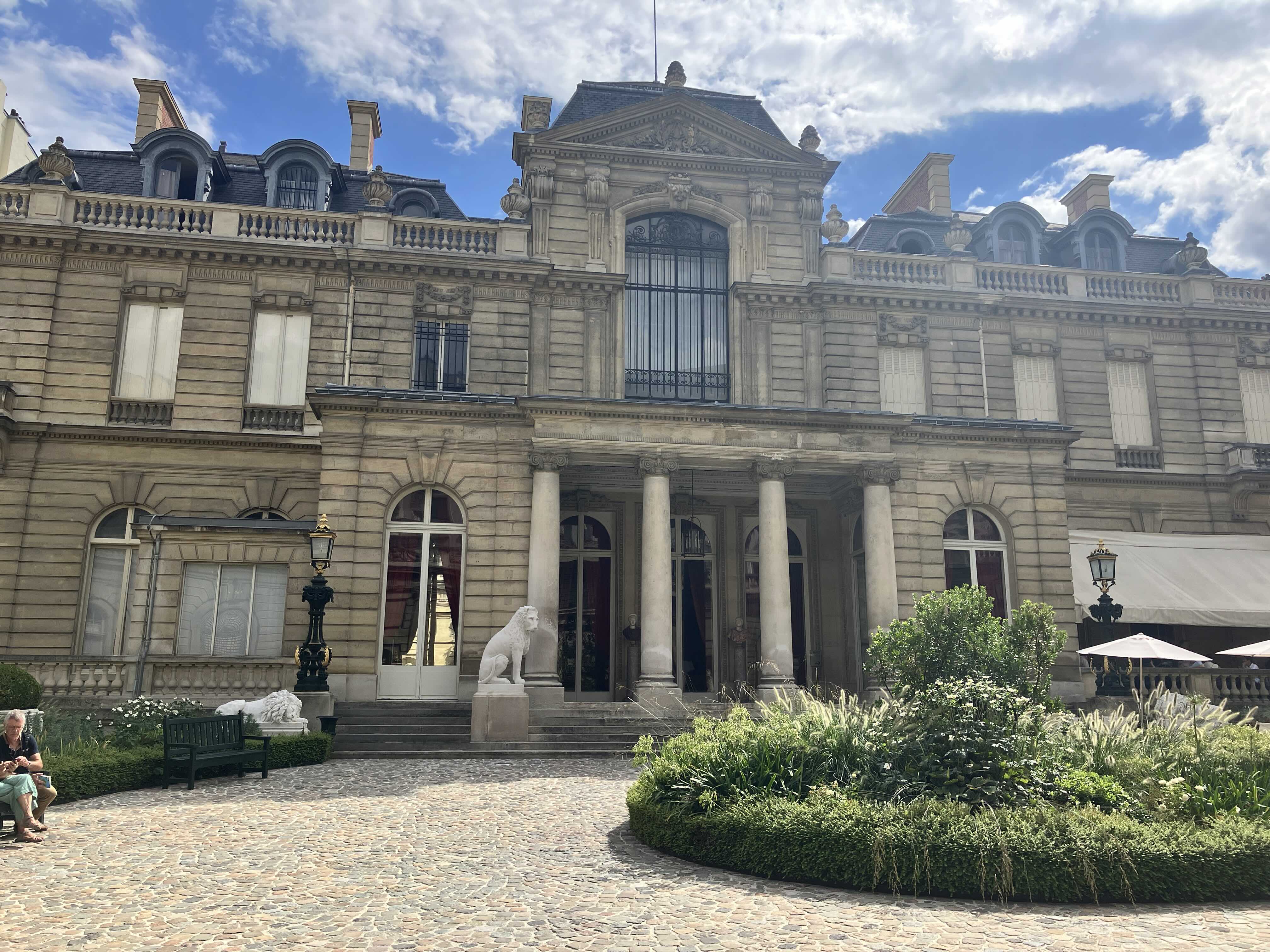
The House Is Part of the Collection
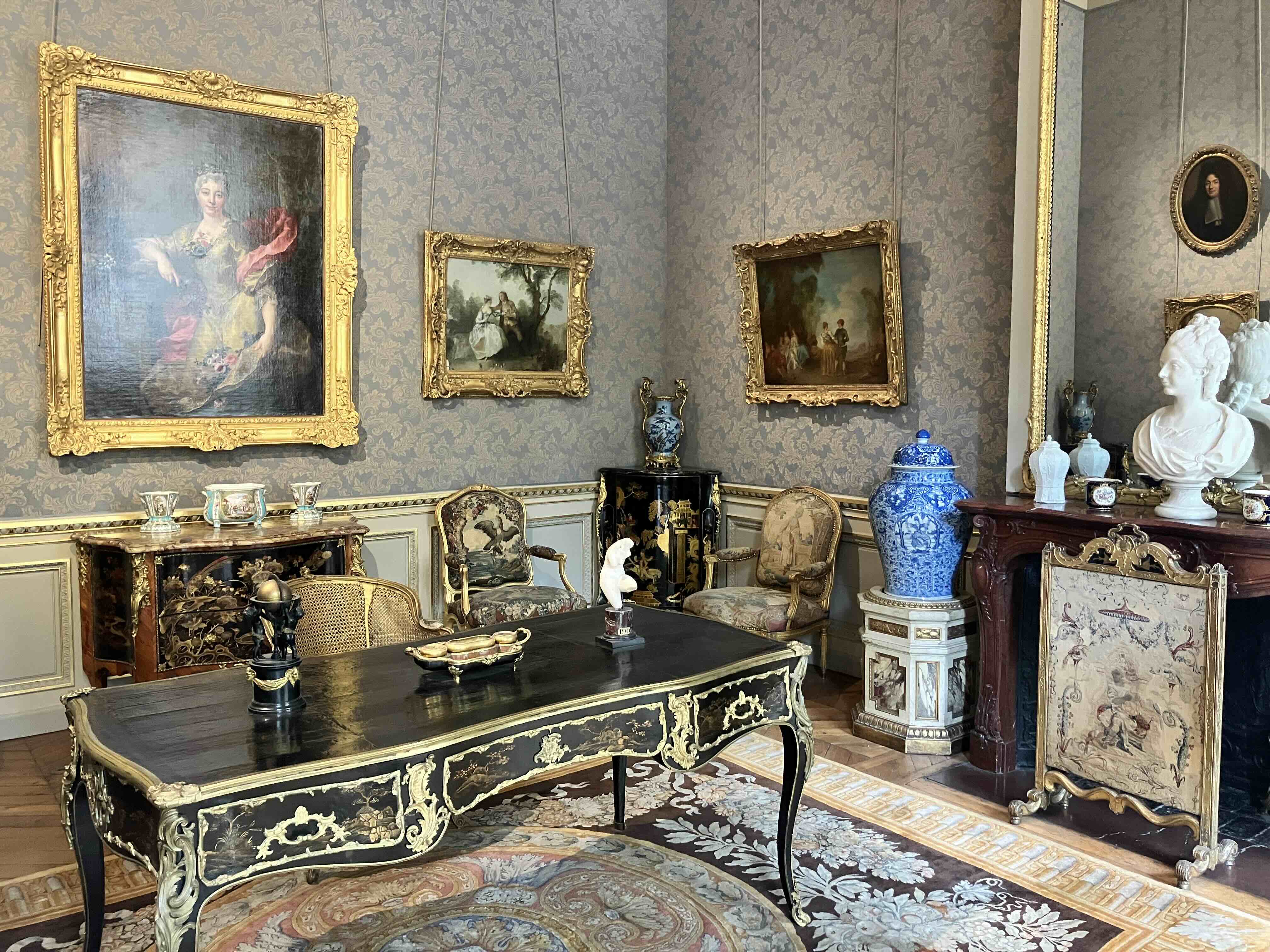
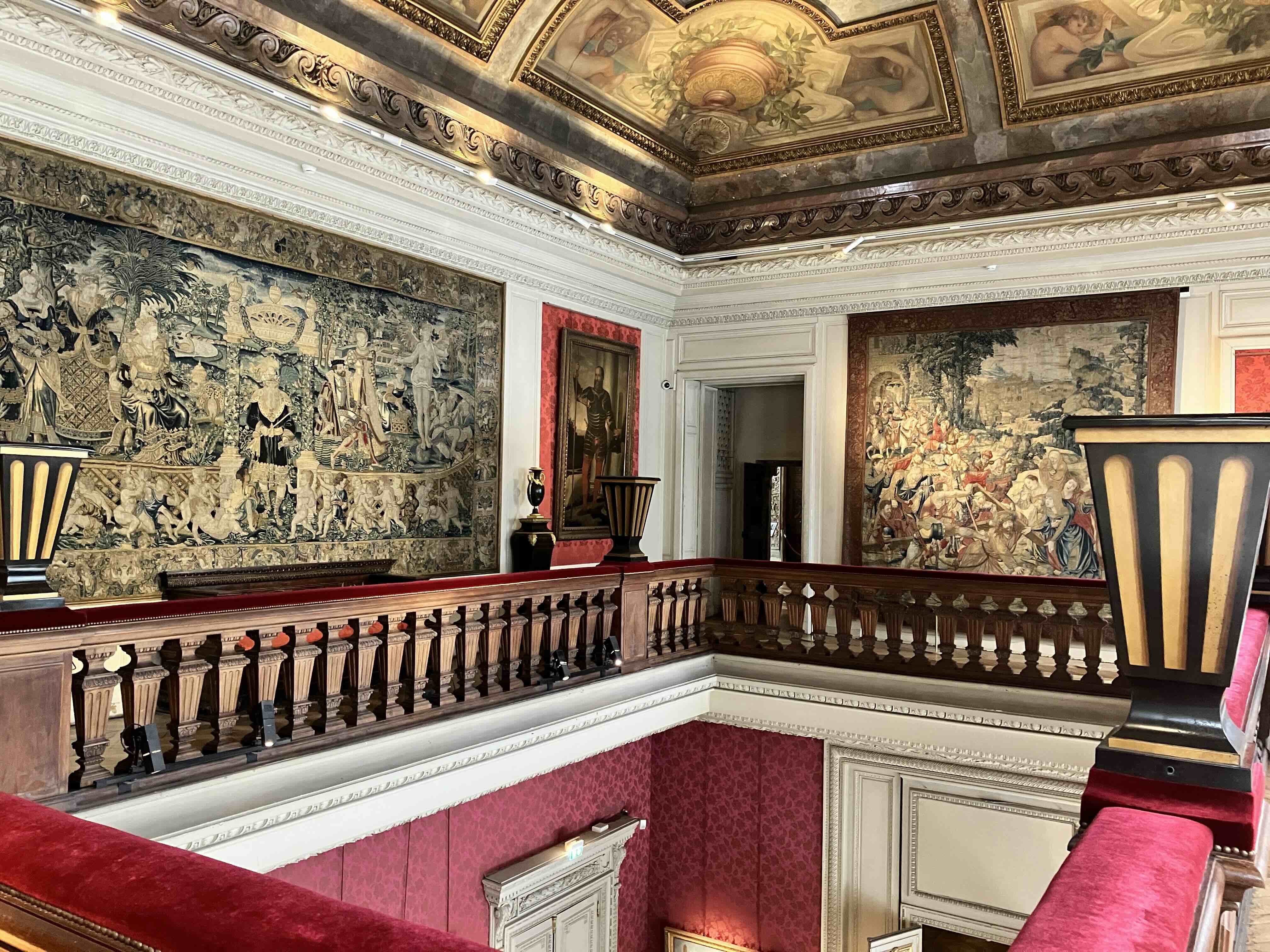
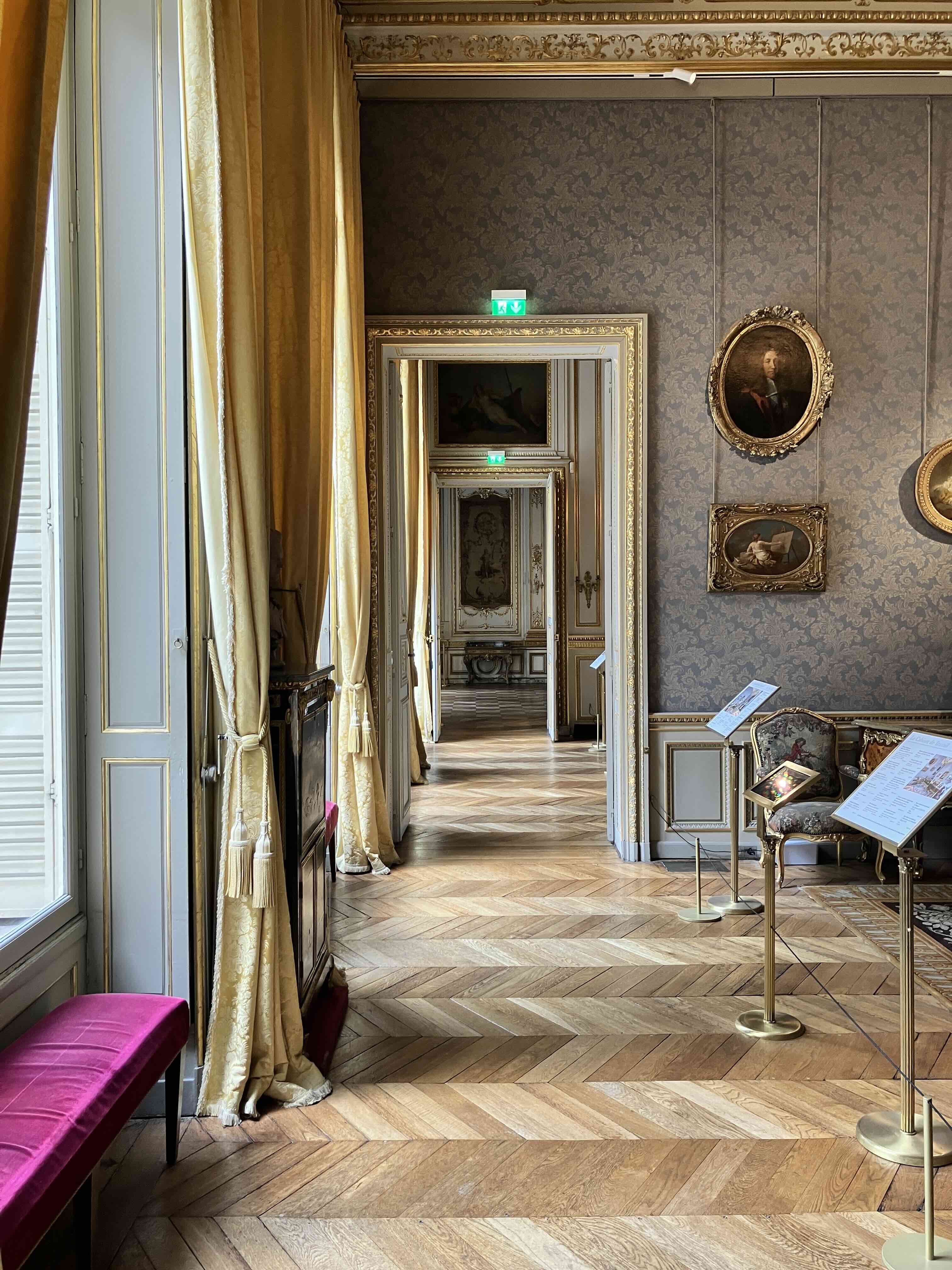
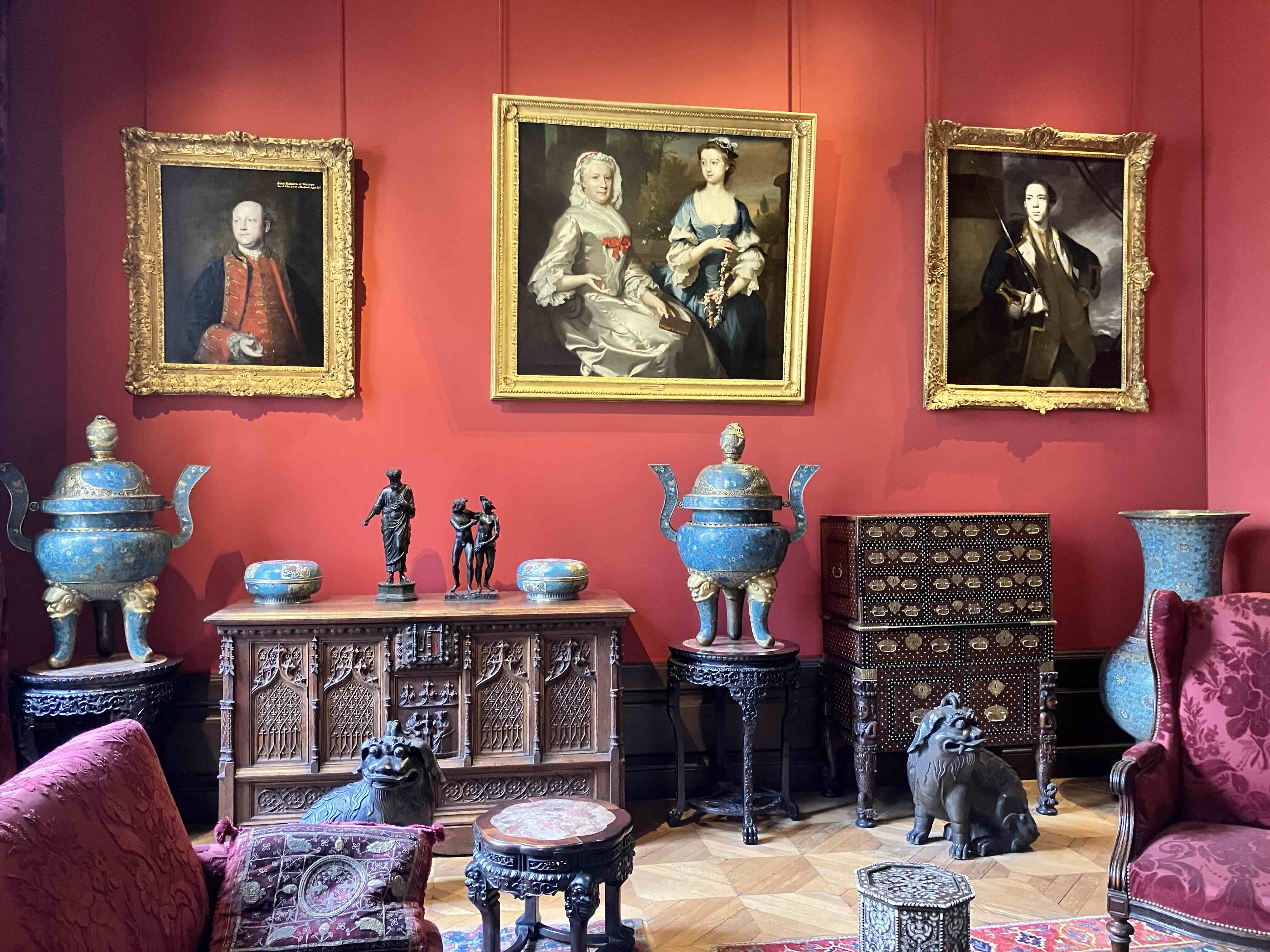
Nearly every room impressed us. The decorative rooms on the ground floor are incredible, but the second floor was the real surprise.
If it were my first visit again, I would almost prefer not to read too much beforehand. The impression is so much stronger when you don't know exactly what is coming.
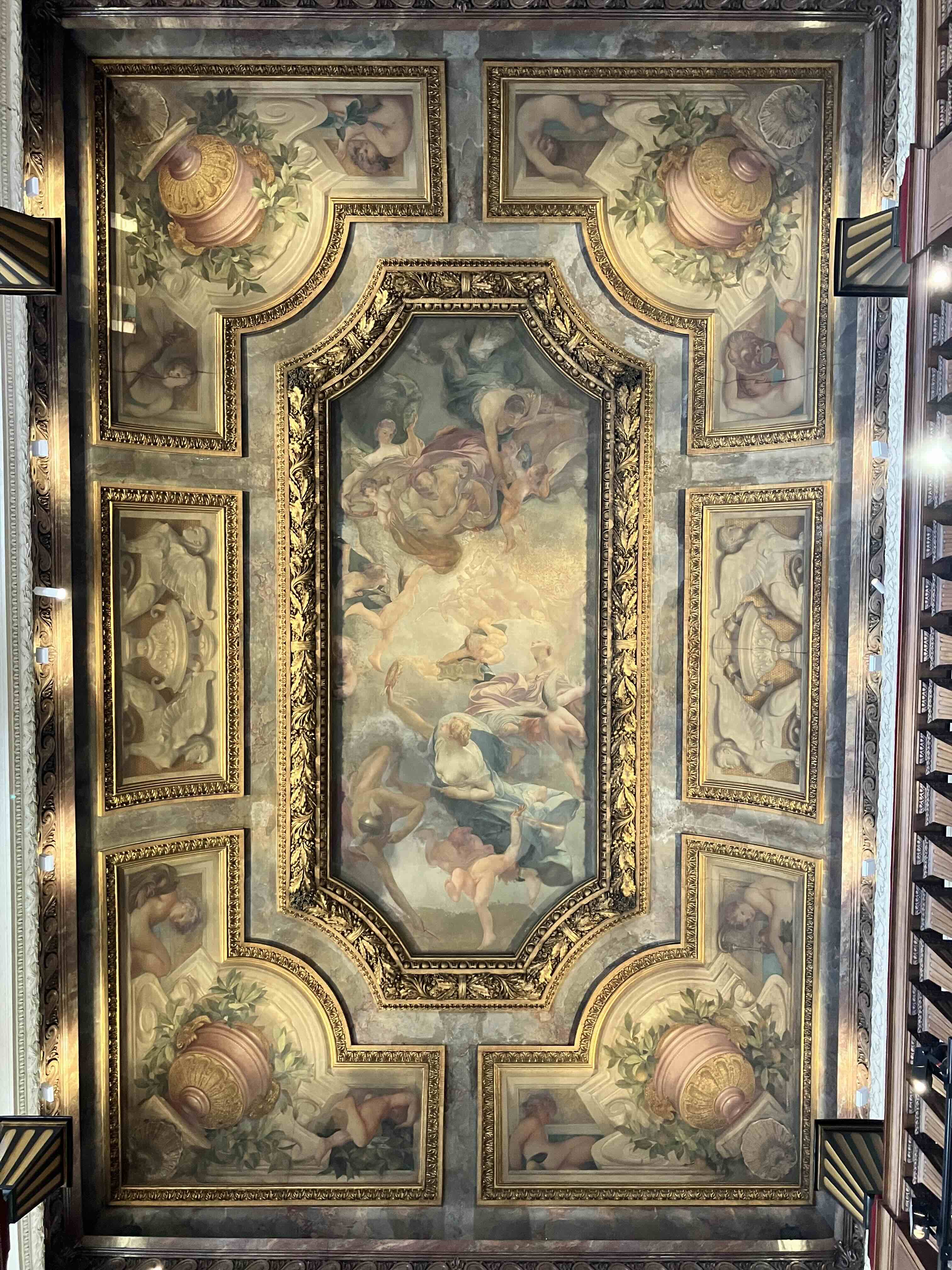
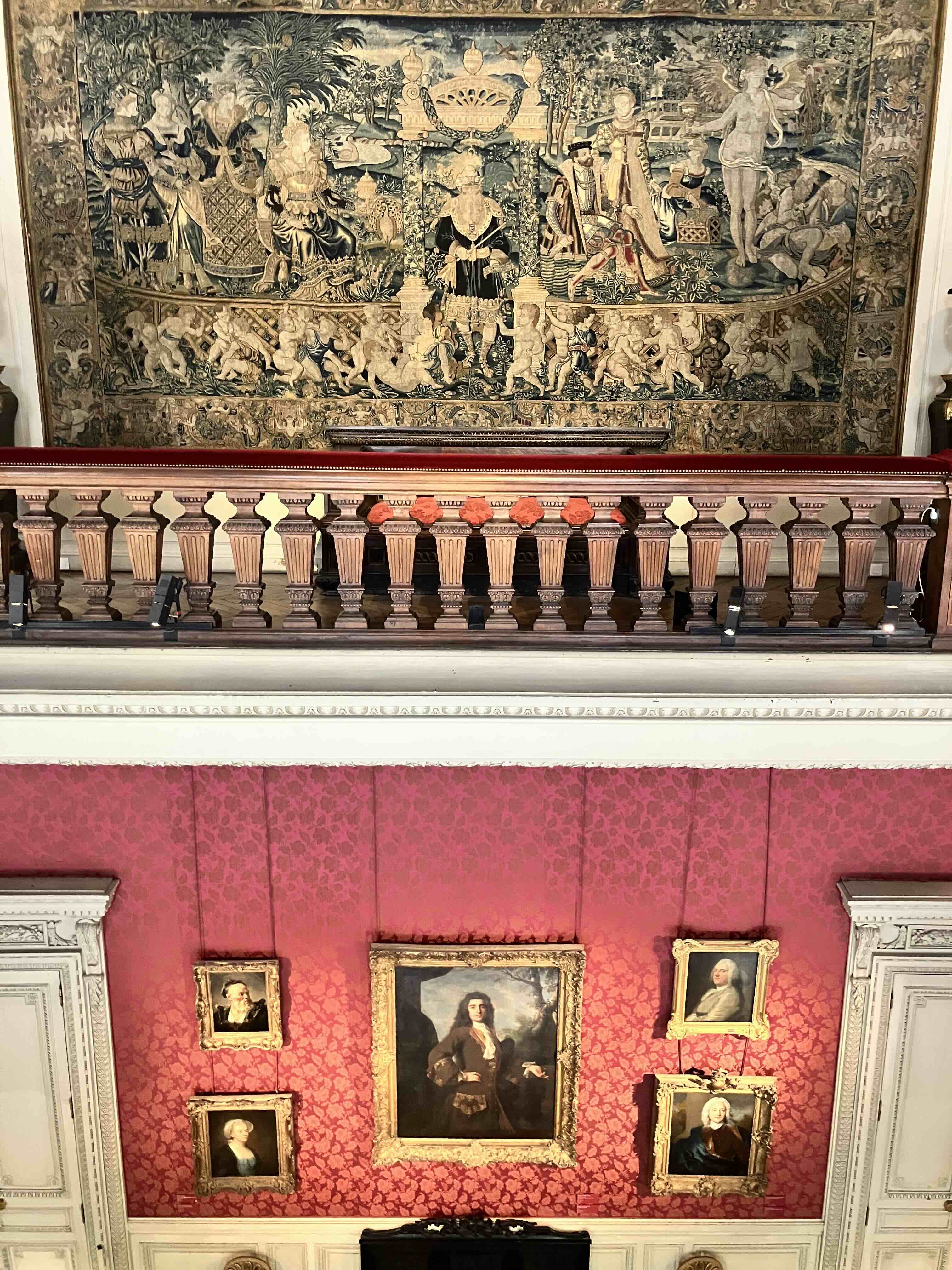
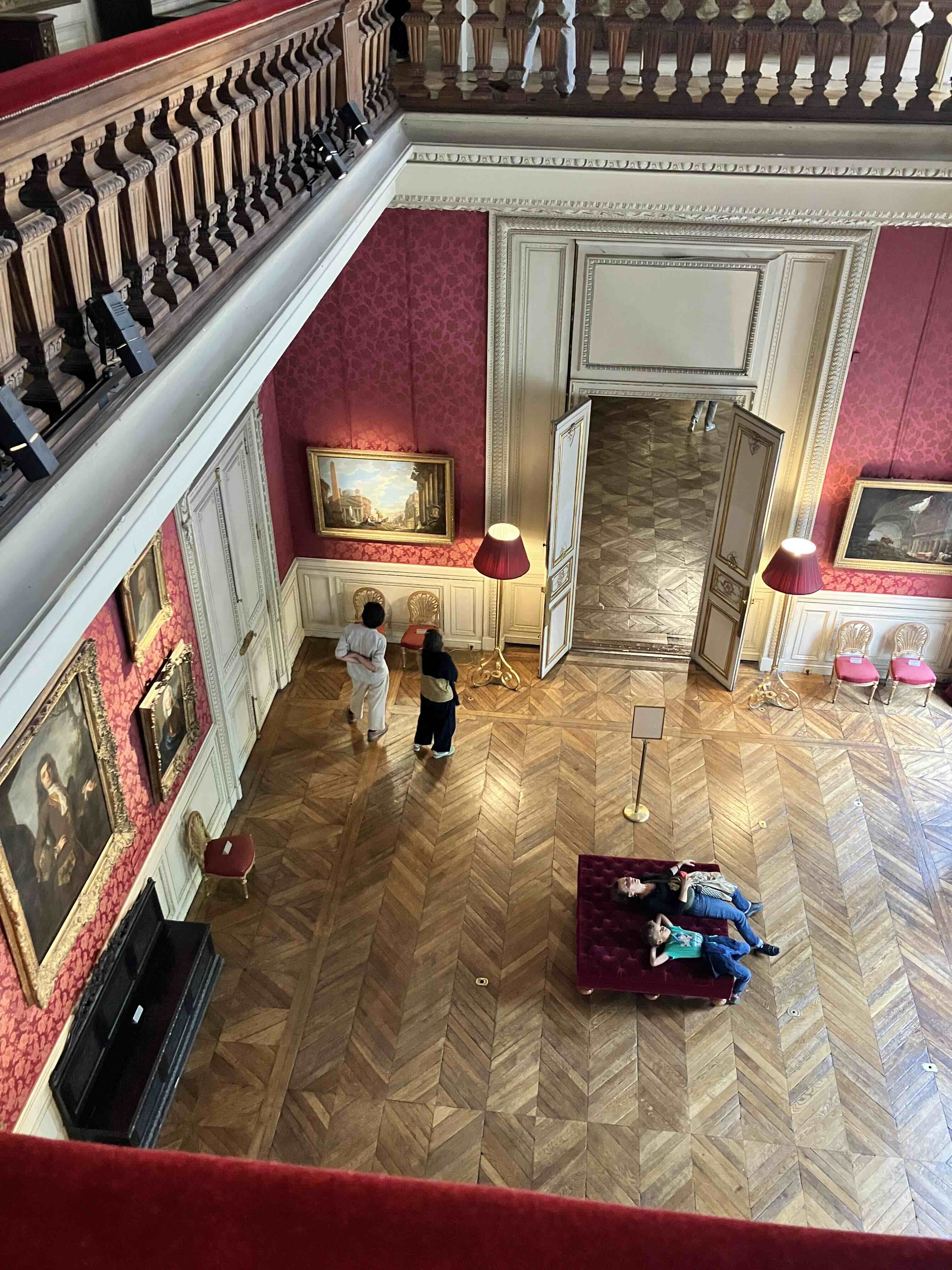
The gilded details, the rooms, the paintings and the objects all compete for your attention. The light coming through the windows changes the rooms in different ways, and I found myself looking at the house as much as the art.
I also loved the fact that the house itself remains such a strong part of the experience. I cannot quite imagine domestic life in this particular house in the same way I can at the Nissim de Camondo, but that is not really what stayed with me. It was the sheer quality of the rooms which, although on a smaller scale, reminded me of the Wallace Collection in London.
I secretly loved it more than the special Noordeinde Palace visit we did in The Hague earlier this month. That surprised me too.
Renaissance Masters in a Private Home
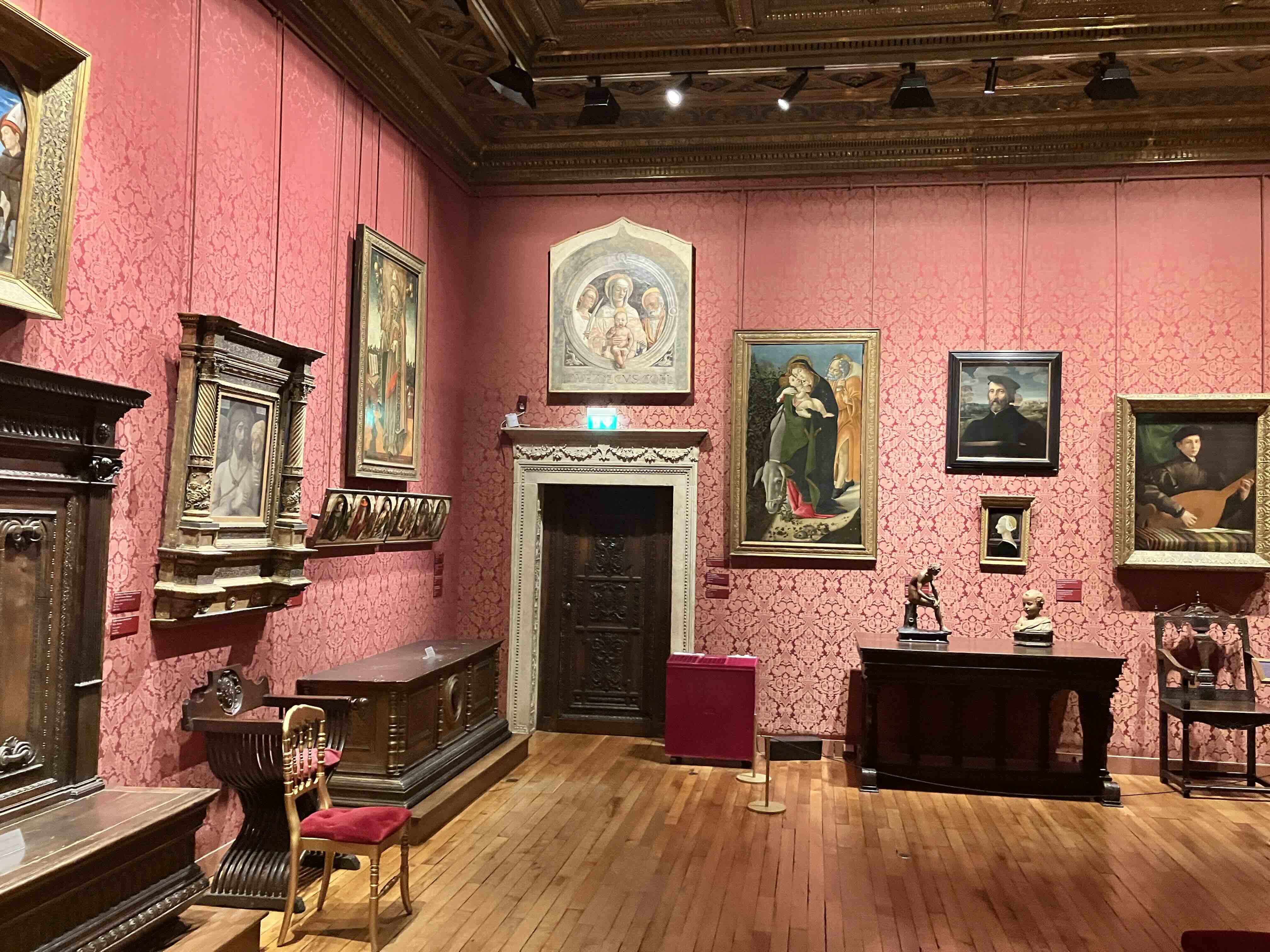
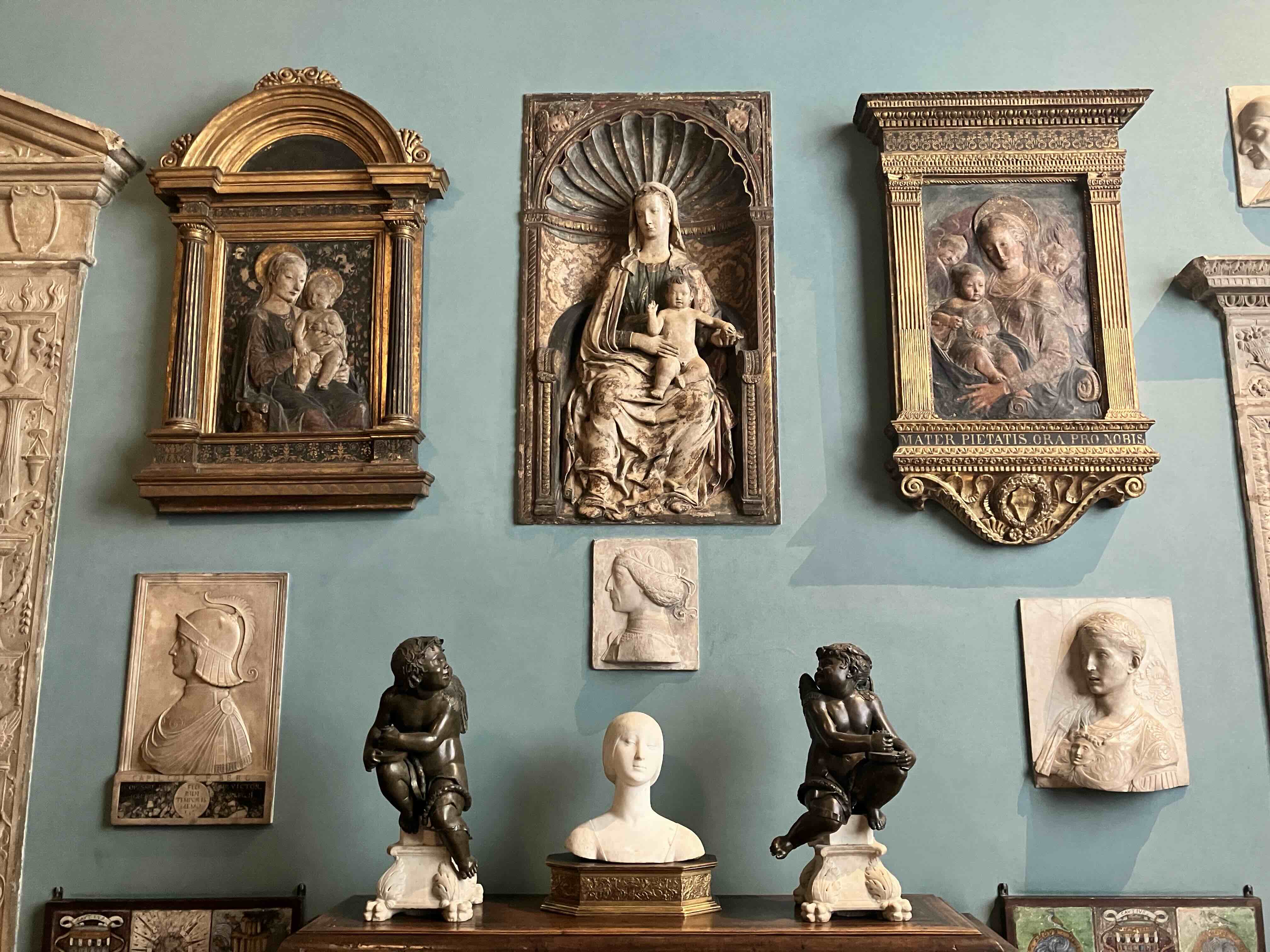
Then you reach the Renaissance collection.
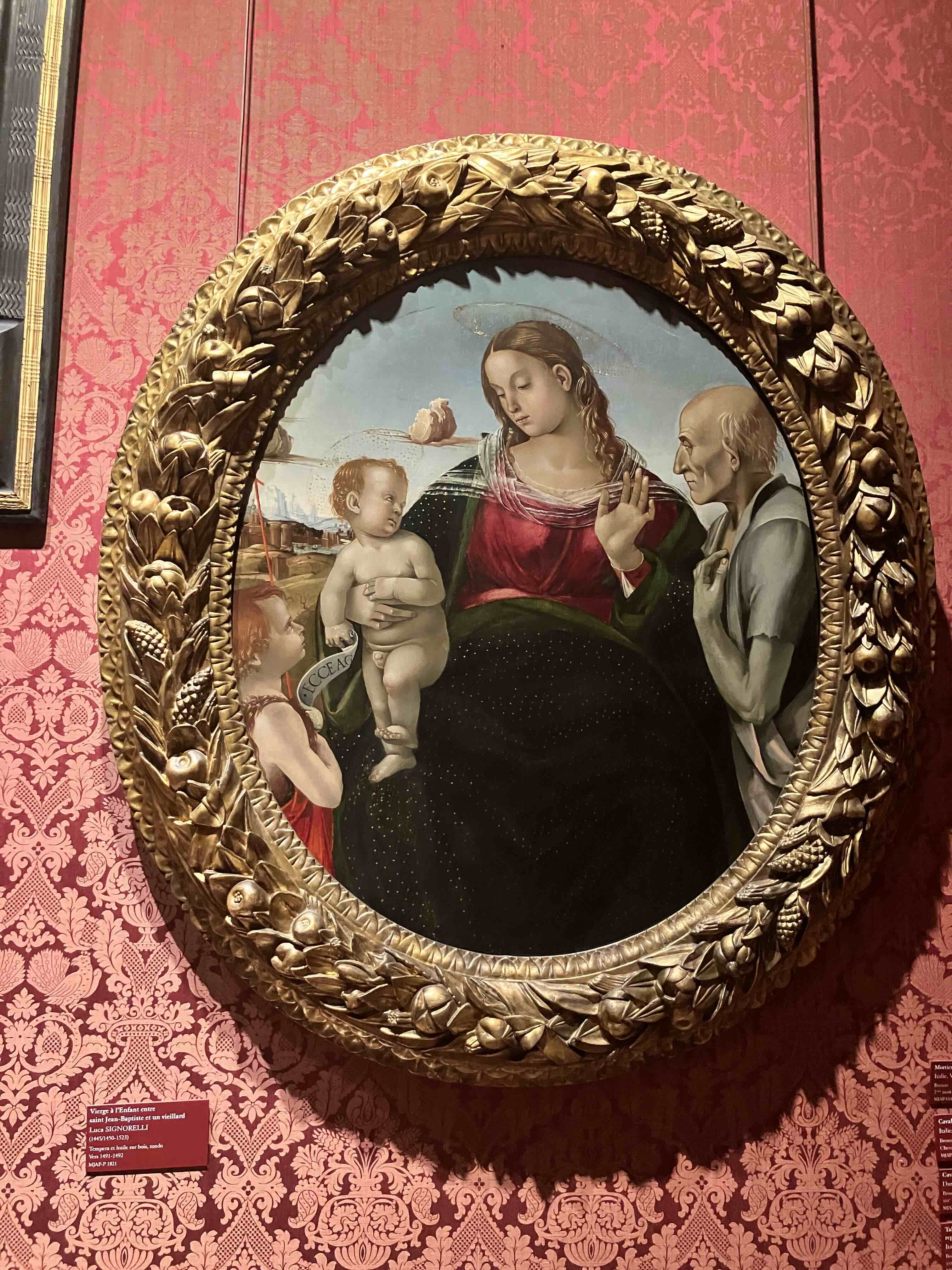
Mantegna, Bellini, Ghirlandaio, Botticelli. So many important paintings by these artists together in one room, collected by a private couple. It is almost difficult to comprehend.
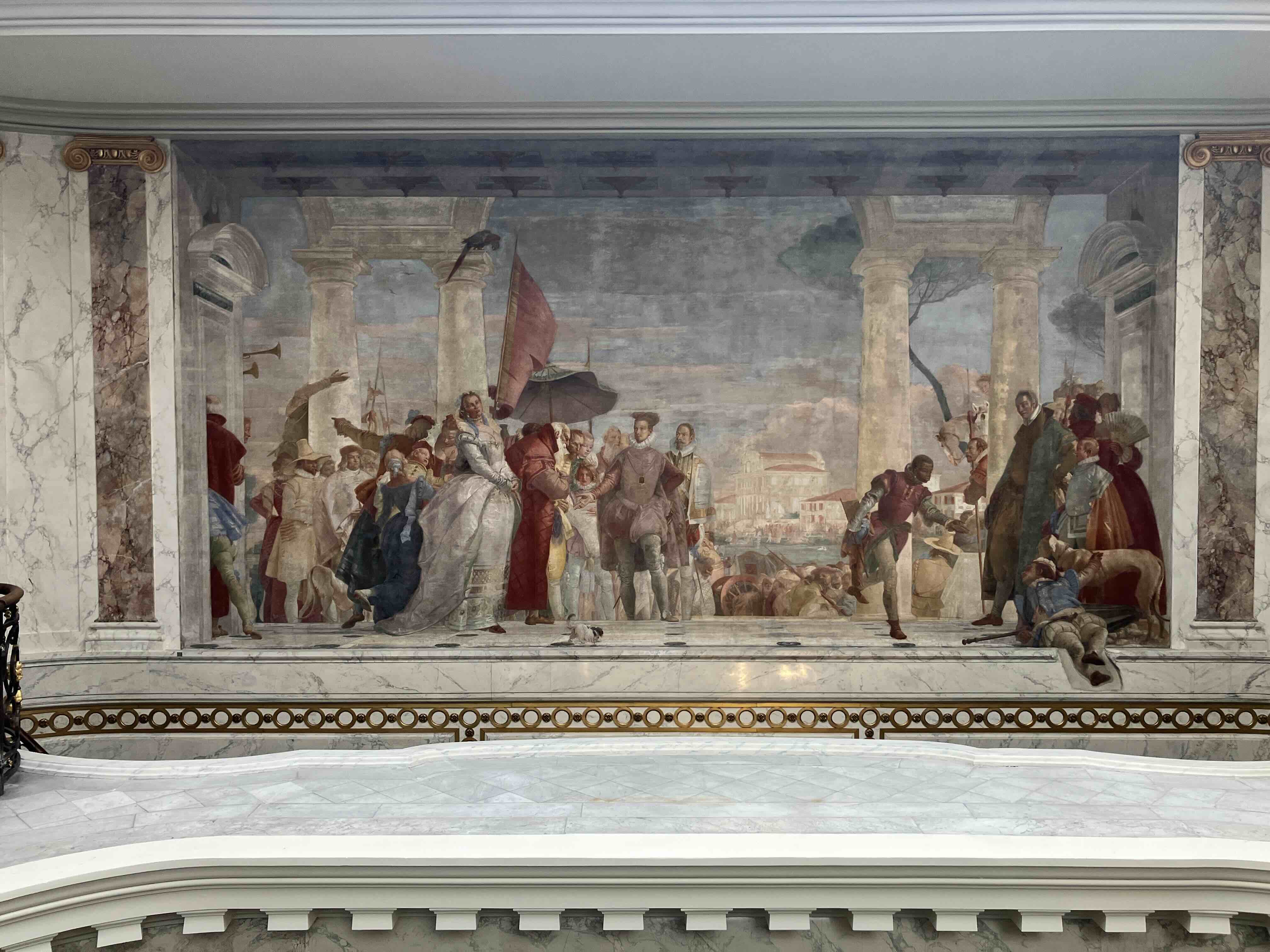
The frescoes by Tiepolo were incredible too. The collection is particularly strong in portraits, although I found the upstairs Renaissance rooms and the decorated rooms more impressive than the library, despite the Van Dycks, Rembrandt and Ruysdael there.
This is what makes a private collection so different from the Louvre or the Uffizi. In those museums, I can understand how you arrive at a collection of this scale and importance. Here, I kept thinking: how did someone actually create this collection?
I had a similar feeling at the Simon Holt and the Ringling Museum. There is something slightly shocking about seeing masterpieces that were once simply part of someone's private world.
Beyond the Louvre
The Louvre has around 300,000 objects. That is a completely different scale. You could spend a month looking and still only absorb a small part of it. Jacquemart-André is different. It is a private house transformed into a museum, and you can actually absorb the whole experience in a visit.
That is why I would tell someone who has already seen the Louvre and Musée d'Orsay not to stop there. Go to the private house museums. They give you a different view of how wealthy people lived in the nineteenth century and, more importantly, what they chose to surround themselves with.
What I liked most about Jacquemart-André was that the collecting did not feel like it was simply about showing off. It felt like an attempt to understand art and learn from older cultures. It is amazing how people like this were so passionate about the arts and how they surrounded themselved by beauty, searched for it, had goals and in the end presented it to the public as their legacy. This gift they ultimately gave to France and to the public is extraordinary.
And the house itself is almost impossible to forget.
A magical museum that is nearly unknown to the American Market
The Musée Jacquemart-André is one of the Paris museums we would recommend to anyone who loves art, beautiful houses and private collections. From the grand rooms to the Renaissance masterpieces by Mantegna, Bellini, Ghirlandaio and Botticelli, the experience feels completely different from visiting the Louvre. We especially loved how the house remains part of the collection, giving you a glimpse into the world of the people who built it. If you have already seen Paris’s major museums, Jacquemart-André offers something much more intimate — and, for us, surprisingly unforgettable.

Robert Poortinga
Travel Booking Assistant
River cruise & Europe destination expert
Culinary and art travel specialist
Concert Pianist
Enjoy other impressions of the museum below:
_Black.png)