
Panorama Mesdag: Stepping Back in time 150 Years
Seeing It Again
We have seen Panorama Mesdag at least three times, and the reaction is still the same: wow. How could they paint something like this, and how has it been preserved in such a state since 1881?What makes it so different is that you are not simply standing in front of a painting. There is sand, there are objects, and the entire 360-degree panorama surrounds you. The viewing platform is essential. Without it, you would not experience the painting in the same way.
Marisa’s reaction this time was wonderful. She absolutely adored it.
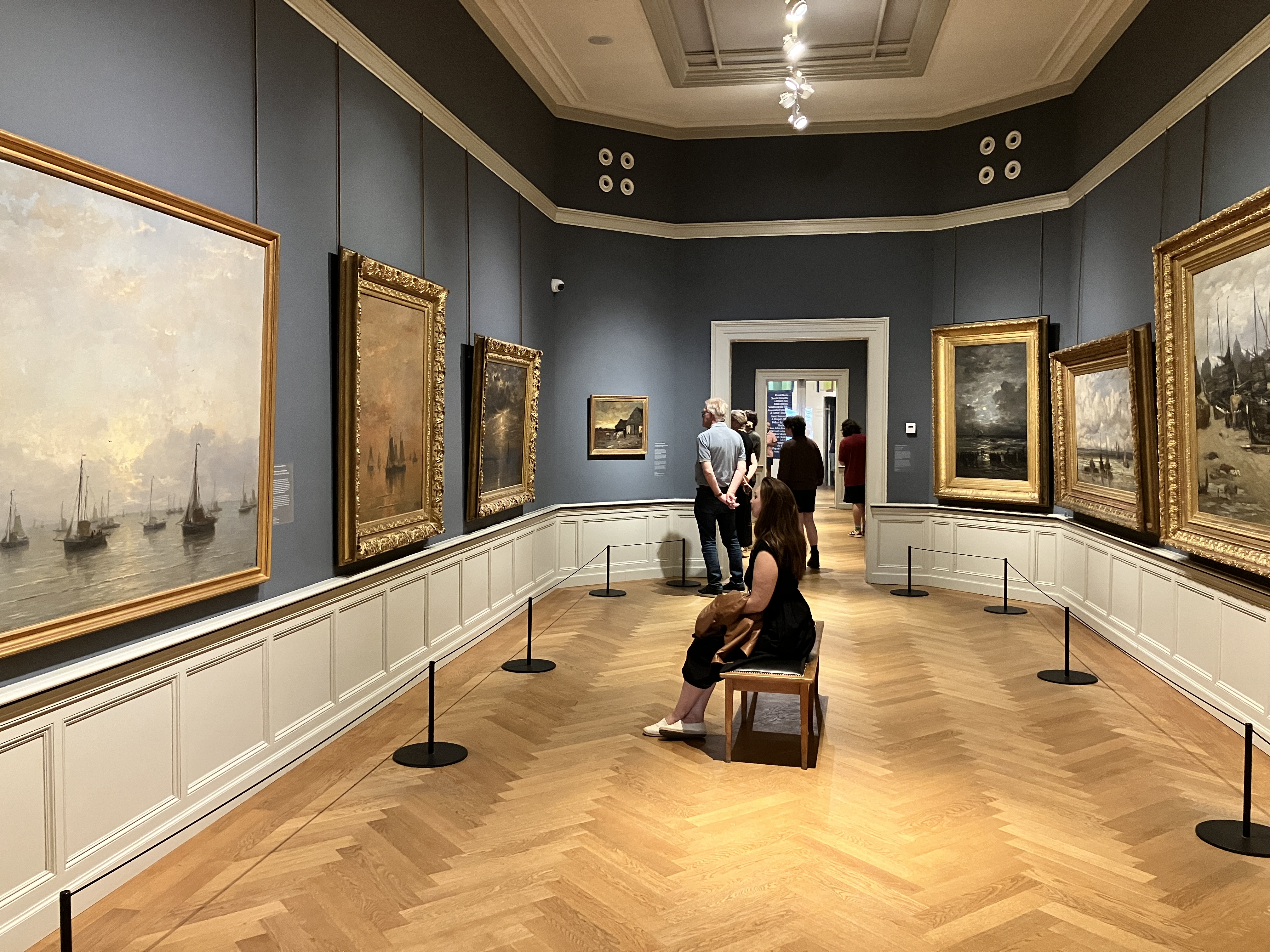
More Than a Painting
The first thing I notice is not necessarily the painting itself but how people lived. You see their clothing, their work on the beach and the way they moved around Scheveningen. There is something particularly striking about the way the beach was used. Horses and unmotorised vehicles did the work. Boats were kept directly on the beach rather than in a harbour. Compare that with the massive harbour areas around The Hague and Rotterdam today and the difference is enormous. The panorama captures a completely different way of living along one of the few natural beaches in Holland. That is what makes it so interesting. You can spend time looking at the people rather than simply admiring the painting as a work of art.
A Different Kind of Entertainment
It is easy to think of Panorama Mesdag as a historical document, but that was not really its original purpose. This was entertainment. The panorama could travel and show people from another region what Scheveningen and The Hague looked like at the end of the nineteenth century. In that sense, it feels like a predecessor to the panoramic images and moving pictures we have today. I love that idea. People could experience another place without travelling there themselves. And because this panorama has survived, we can still have that experience today.
Stepping Into 1881
The sand and physical objects surrounding the painting are a key part of the impression. They make the 360-degree image feel much more convincing. Standing in the centre, looking around the entire panorama, you get the strange feeling that you have stepped back 150 years. It is not just because of the painting. It is the combination of the painting, the way you look at it and everything placed around it.
That is why I keep returning and suggesting this museum to our clients. I also bring people because it is relatively unknown, yet it is completely unique in the world. It should be combined with the other museums in The Hague, because it offers something none of them can quite offer. For anyone interested in history, museums or a part of Dutch culture that has largely disappeared, Panorama Mesdag is difficult to replace. You do not simply look at nineteenth-century Scheveningen. For a while, you feel as though you are there.
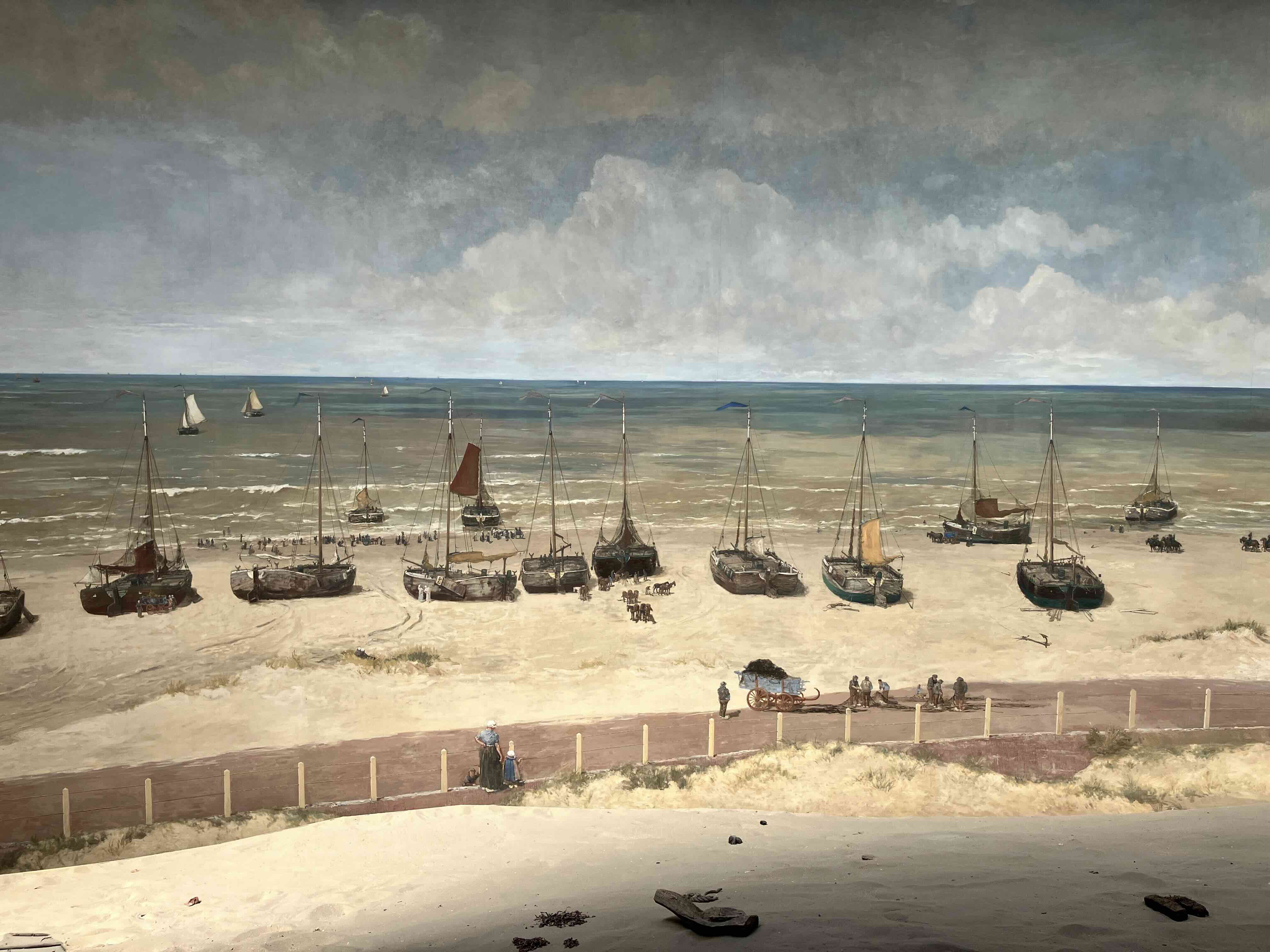
Panorama Mesdag: Step Into 1881
Step into Panorama Mesdag and you are suddenly surrounded by Scheveningen as it looked in 1881. We have visited at least three times, and the reaction is still the same: wow. The 360-degree painting, sand and physical objects create something far beyond a conventional museum experience. Look closely and you see how people worked on the beach, with horses, boats and unmotorised vehicles. It was originally created as entertainment, allowing people to experience another place without travelling there. For us, it remains one of the most unusual museum experiences in The Hague—and one we happily return to.

Robert Poortinga
Travel Booking Assistant
River cruise & Europe destination expert
Culinary and art travel specialist
Concert Pianist
