.svg)
The Netherlands Before Amsterdam: Three Hanseatic Cities
Deventer and the River
Deventer is surprisingly large for a city in the heart of Holland. The main square is beautiful, but it is the Bergkwartier that gives the strongest feeling of how old the city really is. The streets have a medieval character that you simply do not get in Amsterdam.
The Hanseatic history is still visible in the buildings. Along the river, the old merchant houses tell you what made the city wealthy. Look up and you can still see the hooks at the highest points of the houses, used to bring goods inside. The harbour itself may have disappeared, but the buildings have kept the story.
The Waag buildings and merchant houses make the trading culture particularly easy to understand. These were cities built around commerce long before Amsterdam became the obvious centre of Dutch life.
.jpeg)
Zutphen Was Home
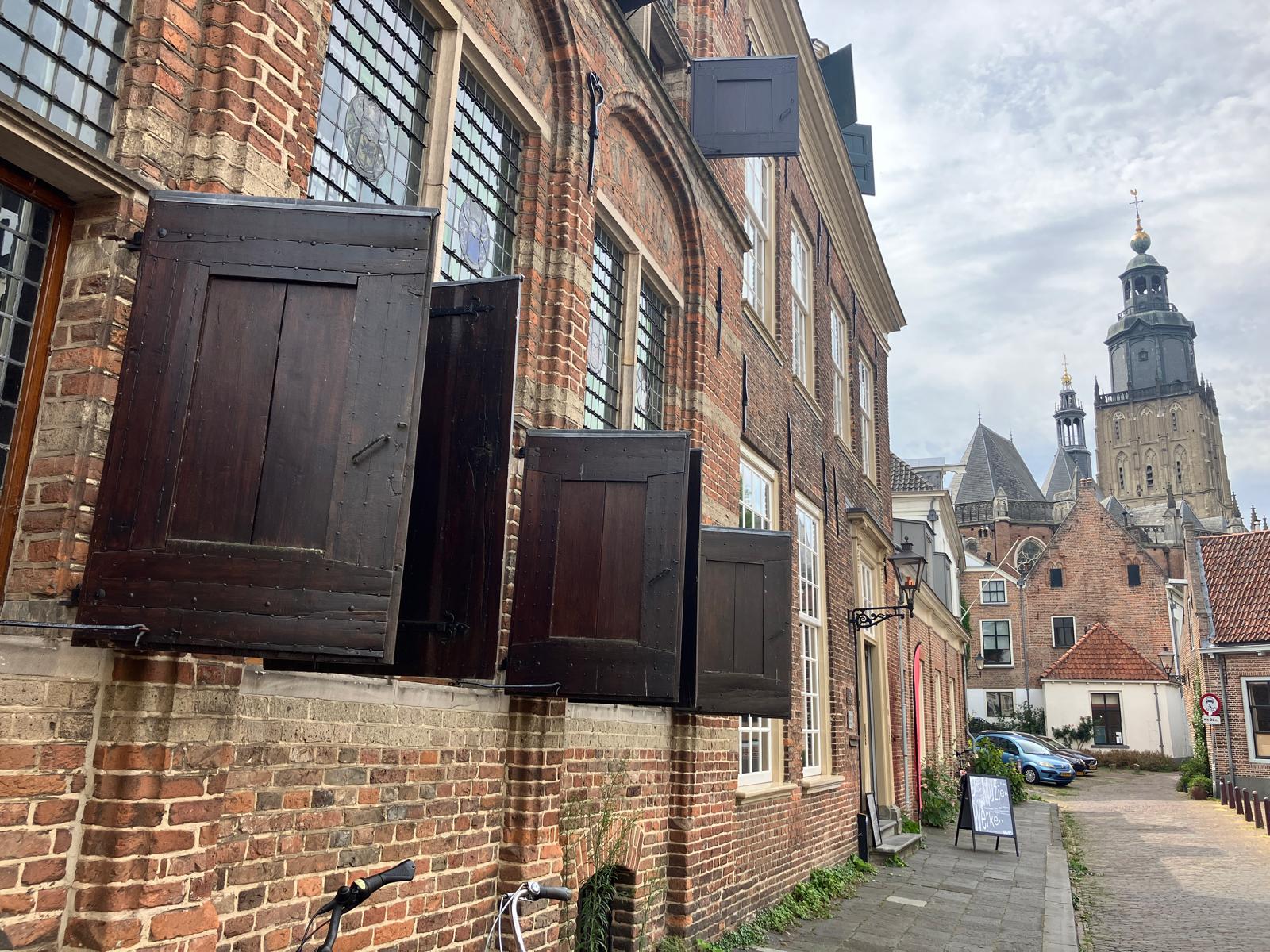
Zutphen is more personal for me because I lived there for a year. I wanted to surprise Marisa with my favourite chocolatier when we returned, but unfortunately he was gone. That was a pity. The shops had changed, but the city itself had stayed remarkably the same.
Zutphen is smaller than Deventer, but its cultural and architectural character is extraordinary. The centre has a very strong medieval feeling. The towers are particularly impressive, dating back centuries after the destruction caused by the Vikings.
One of the treasures is the Librije, one of Europe's important historic libraries. The books were chained because books were enormously expensive before Gutenberg's printing press and before paper became widely available. Seeing this in Zutphen makes the intellectual side of the old trading city much easier to understand.
Trade brought wealth. Wealth brought work, but it also supported intellectual life, traditions and beautiful architecture. The river was part of that.
Zwolle and the Ter Borchs
Zwolle is the largest of the three and, for me, one of the best cities to visit. It has excellent connections and is large enough to give a good impression of a Dutch city without becoming overwhelming. It also has wonderful museums.
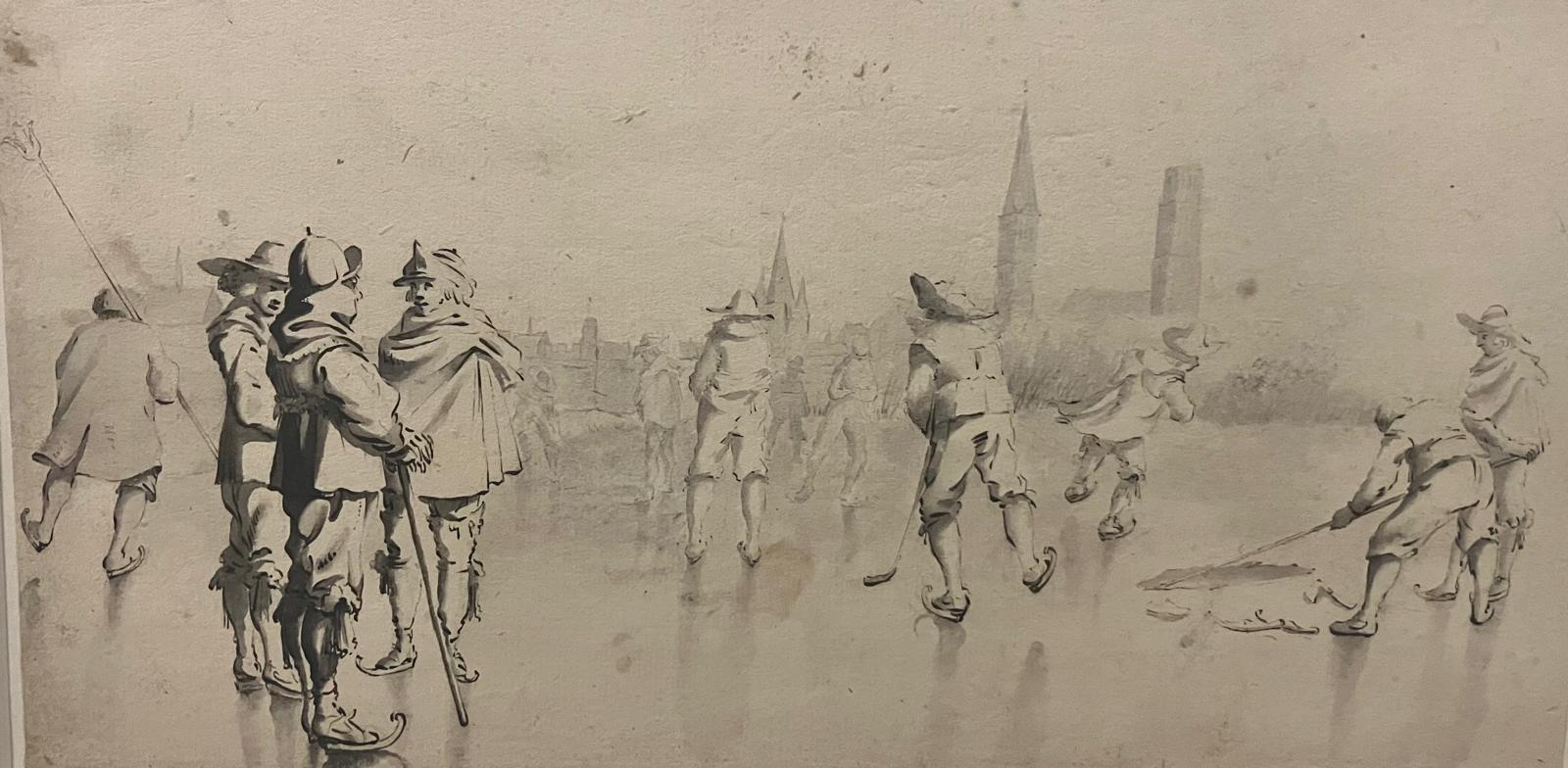
The Ter Borch family is an important part of the city's cultural history. The painter family came from Zwolle and had connections with important people in Deventer and Zutphen. There are these links everywhere once you begin looking at the three cities together.
That is what makes visiting them in a row so interesting. They are all medieval cities, and that is something particularly special for our American clients. The buildings are not simply old façades placed in a modern setting. Their locations, their rivers and their architecture all came from the importance of trade.
A Netherlands Beyond Amsterdam
We often think of the Netherlands through Amsterdam, but Amsterdam is Amsterdam. It is not necessarily the Netherlands as a whole.
Deventer, Zutphen and Zwolle show another side of the country. Their histories were shaped by rivers and international trade. The idea that global commerce is something modern is also misleading. These cities were already connected to international networks centuries ago.
For anyone interested in Dutch culture, that matters. There is much more here than wooden shoes and bitterballen. The wealth created by trade allowed people to build impressive cities and gave important figures the opportunity to create things that remain part of Dutch culture today.
If I had to choose only one, I would choose Zwolle. But I would miss Deventer's Bergkwartier and merchant houses, and I would certainly miss Zutphen, which remains one of the most distinctive places I know in the Netherlands.
Deventer, Zutphen & Zwolle: Discover the Netherlands Before Amsterdam
Deventer, Zutphen and Zwolle reveal a very different Netherlands, shaped by rivers, trade and centuries of international connections. Deventer’s medieval Bergkwartier and merchant houses still show its Hanseatic past, while Zutphen’s historic centre and the extraordinary Librije reveal the wealth and intellectual life that trade supported. Zwolle, the largest of the three, combines a wonderful historic centre with excellent museums and the story of the Ter Borch family.
Visiting all three gives a much better sense of how Dutch cities developed before Amsterdam became dominant. For travelers interested in history, art and authentic Dutch culture, these three cities are well worth exploring together.

Robert Poortinga
Travel Booking Assistant
River cruise & Europe destination expert
Culinary and art travel specialist
Concert Pianist
_Black.png)