
An Itinerary Built on Experience, Not a Catalogue
When we began putting together our Piedmont journey, we were not looking for a collection of luxury experiences that could be assembled from a travel catalogue. We wanted to create something that showed why this particular corner of Italy is so extraordinary, and why it deserves far more attention from American travellers.
For Robert, this was a very personal project. He lived in Piedmont for five years, from 2017 to 2022, and his connection with the region goes back well before this group journey was conceived. He knows its landscape, its food, its wines and many of the people who make its traditions so special. Over the years, he had already explored and vetted many of the places and ingredients included in the itinerary, sometimes bringing visiting friends to experience them. Their reactions, even years later, helped confirm just how memorable this region can be to someone discovering it for the first time.
Together with Marisa and our local partner, we wanted to build on that knowledge. Our October 2026 visit was an important part of the process: an opportunity to revisit locations, assess the experiences and make decisions about what genuinely belonged in the journey.
The Experiences We Would Never Remove
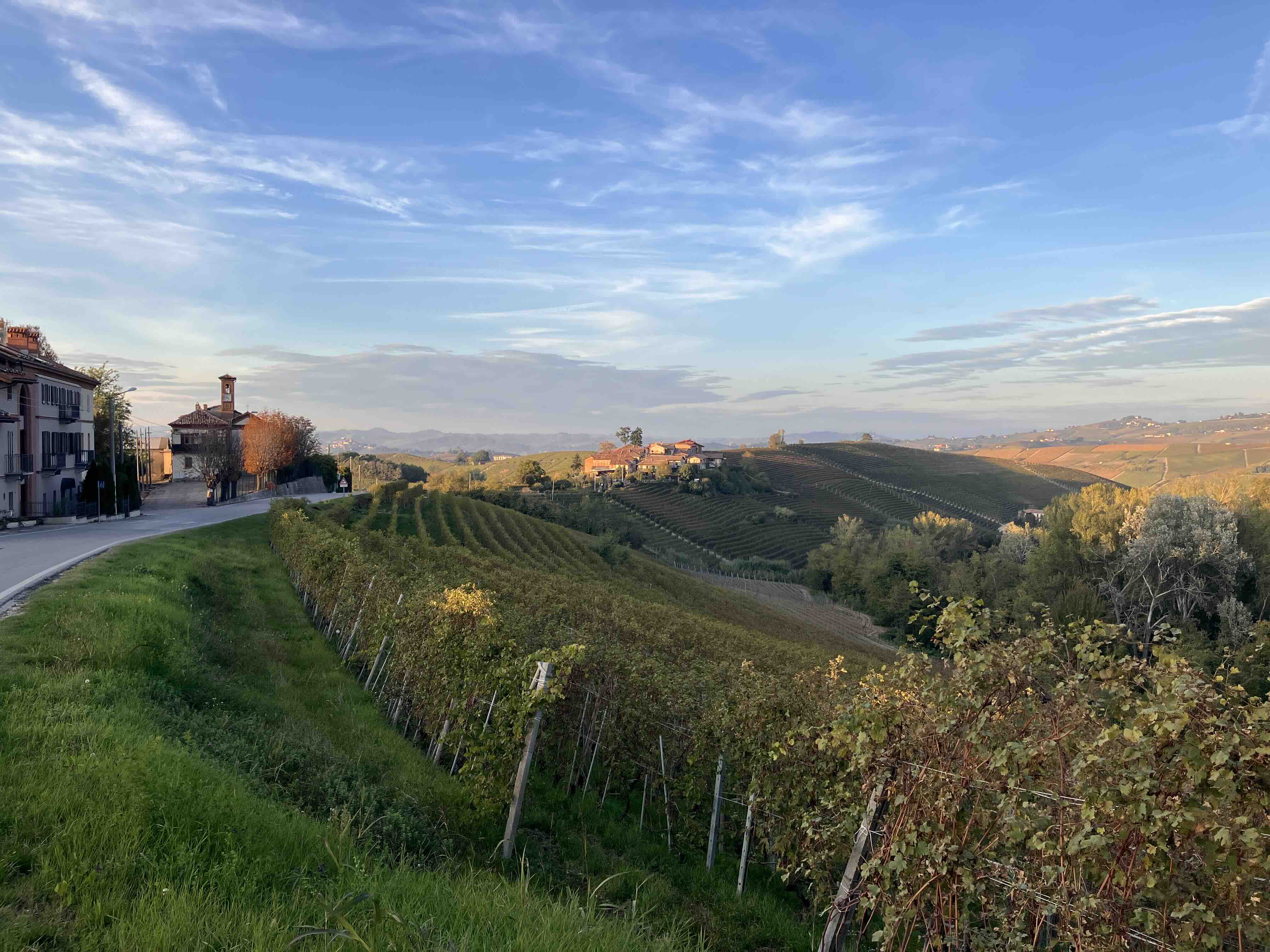
Three elements were non-negotiable: white truffles, Barolo wine and private concerts.
The white truffle is one of Piedmont's defining treasures. It is not simply another culinary experience; it is tied to the region's landscape, traditions and seasonal rhythm. The opportunity to encounter it in its own environment, with a local truffle hunter, is very different from ordering it in a restaurant elsewhere.
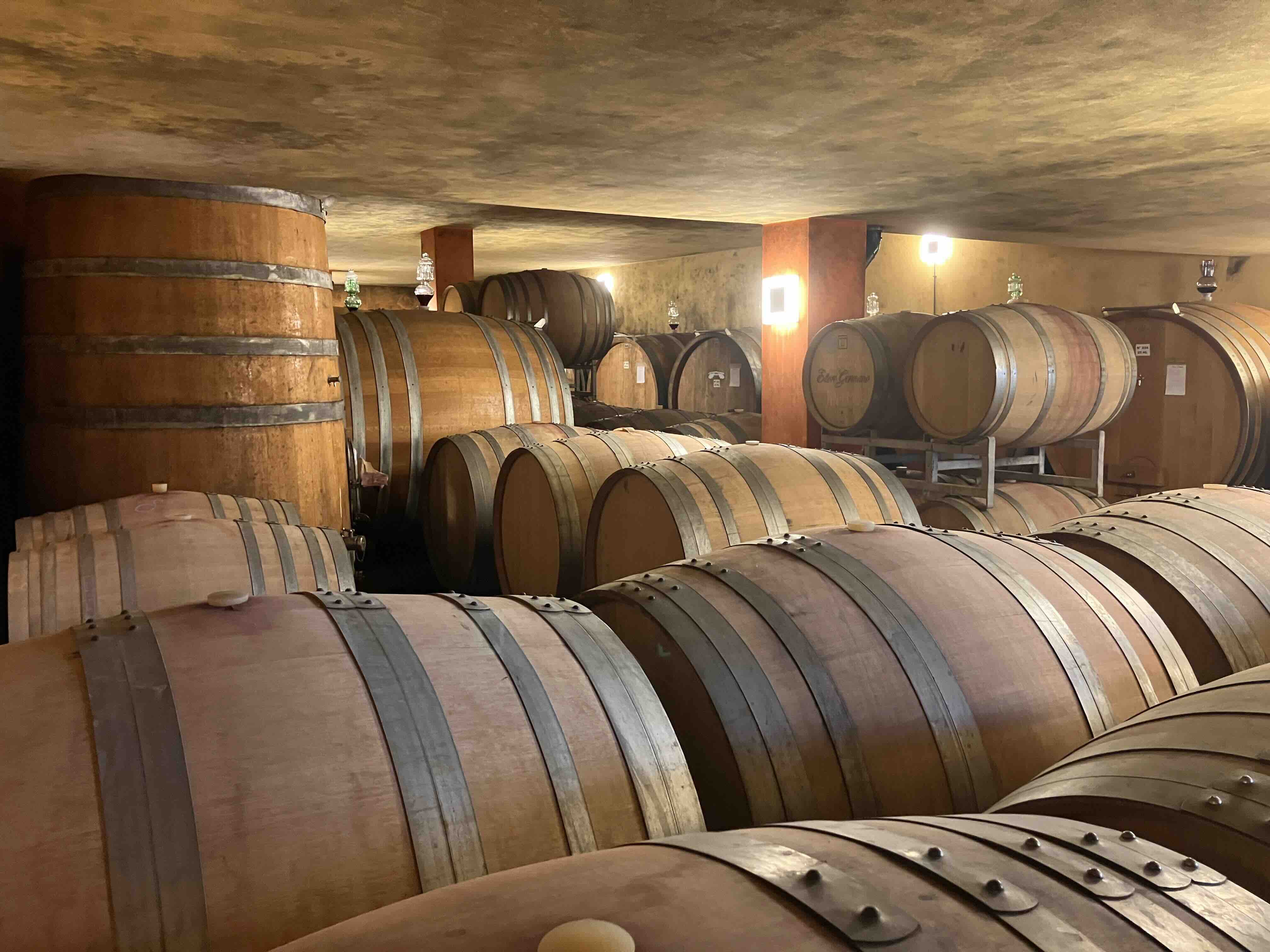
Barolo is equally important. This internationally celebrated wine comes from a remarkably specific landscape. The hills, slopes, exposures and soils differ from one vineyard to another, influencing what grows there and how the wines taste. During our October visit, we were reminded how fascinating it is to experience these differences in person. A tasting becomes much more meaningful when we can connect the wine in the glass to the particular terrain that produced it.
The concerts are perhaps the most personal part of the itinerary. As a professional concert pianist for more than twenty years, Robert has performed in many concert halls, but the historic venues we have selected in Piedmont are unlike anything he has encountered in his performing career. These extraordinary palaces and rooms offer a setting in which music, architecture and history meet. They are not simply attractive places to visit; they become concert venues for an experience that would be difficult to recreate elsewhere.
The other experiences, from local food producers and carefully selected lunches to the Savoy residences and private guides, help complete the picture. Each was chosen because it contributes something particular to the region.
What Photographs Cannot Convey
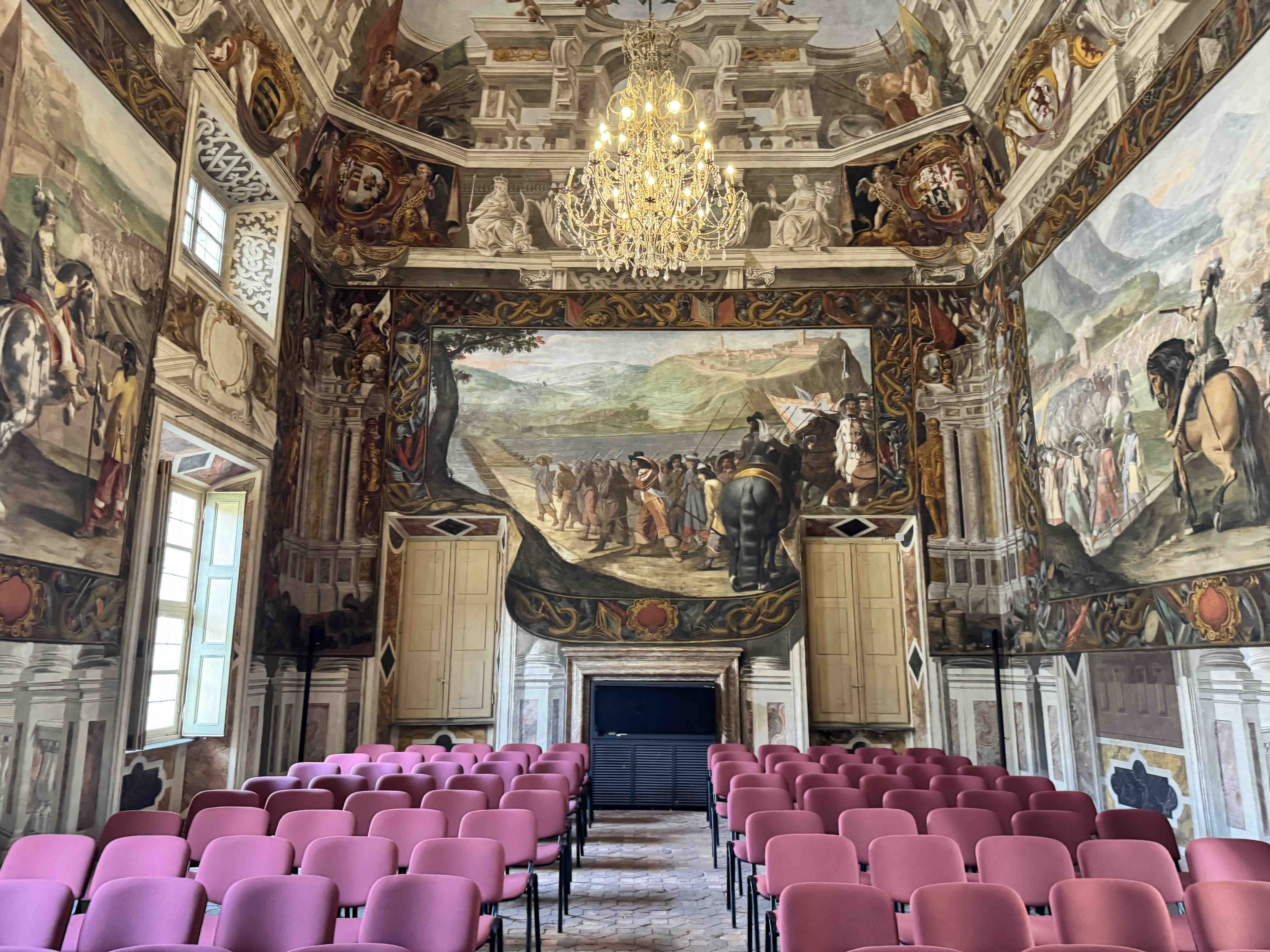
Our October 2026 visit reminded us of something that is difficult to communicate through a website: the sheer beauty of the Piedmont landscape.
We stopped the car repeatedly to take photographs, trying different positions and waiting for the golden-hour light. We wanted to capture the rolling hills, the depth of the valleys and the snow-covered mountains in the background. We tried from different viewpoints, but the photographs never quite conveyed what we were seeing. The scale, the changing light and the relationship between the vineyards and the mountains are things that have to be experienced.
The same is true of the food and wine. Online descriptions cannot communicate the smell of a freshly discovered white truffle, the taste of a particular Barolo or the texture of a locally prepared pasta or risotto. These are sensory experiences, and they are inseparable from the place in which they happen.
We also wanted the people behind these traditions to be part of the journey. The truffle hunter, the winemaker, the cheesemaker and the people who welcome us into historic buildings all contribute to the experience. All our trade-partners, with whom we talk about this journey, are particularly enthusiastic about the itinerary, telling us that they have rarely seen such a distinctive combination of experiences put together for the region.
That is important to us. We are not interested in simply arranging activities. We want guests to meet the people who give these places their character.
What We Left Out—and Why
Curation is as much about deciding what not to include as it is about choosing what belongs.
We considered other destinations in Italy, all of which have their own appeal. But Robert's years in Piedmont made this region the natural choice. We also considered experiences that might be attractive to visitors but did not contribute directly to the particular story we wanted to tell.
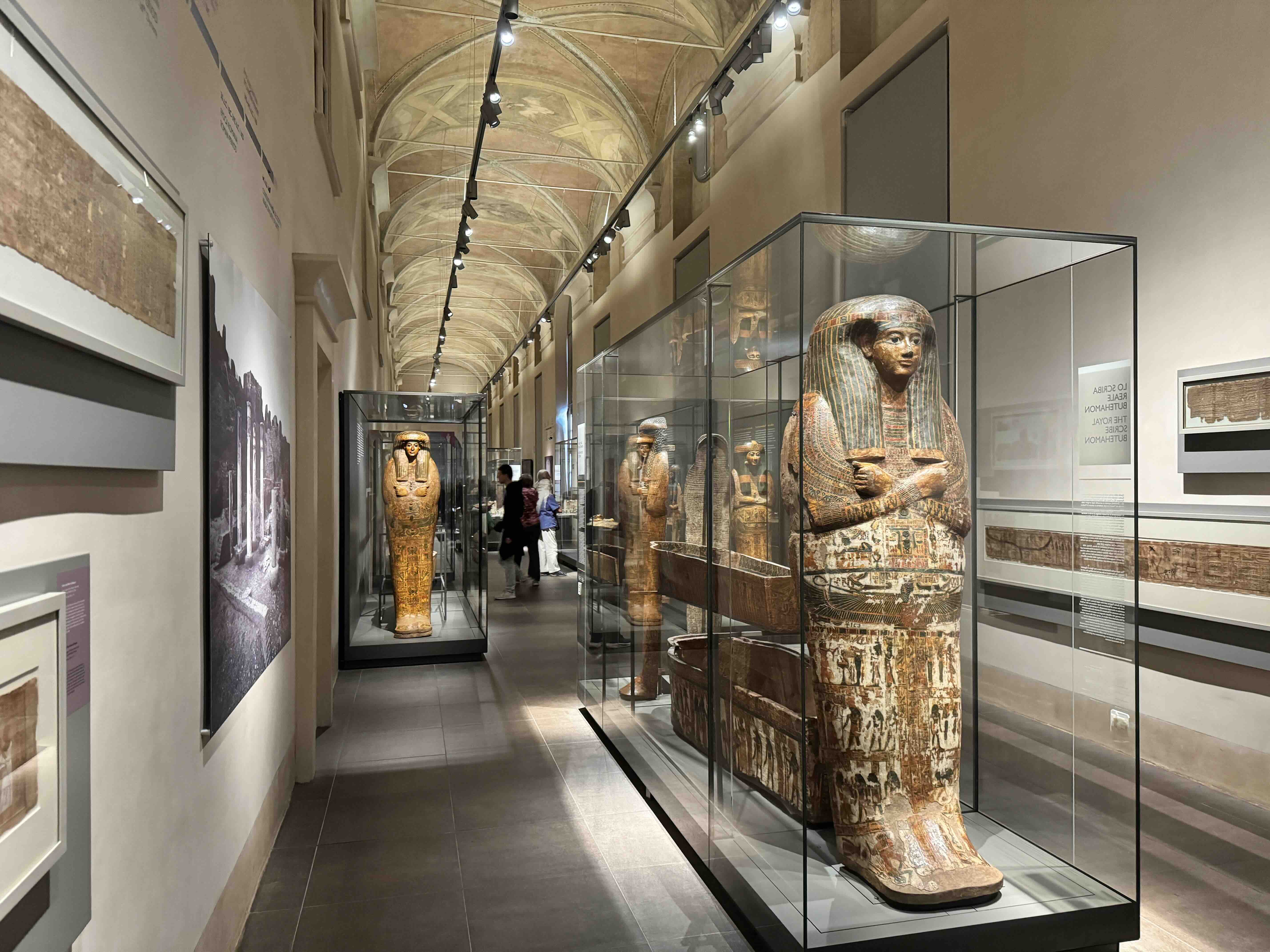
The Egyptian Museum in Turin is a good example. It is an exceptional institution and one we would happily recommend to guests with additional time. But it does not belong at the centre of a journey designed to introduce travellers to Piedmont's own landscape, gastronomy, wine, music and Savoy heritage. We would rather offer it as an extension than dilute the focus of the main itinerary.
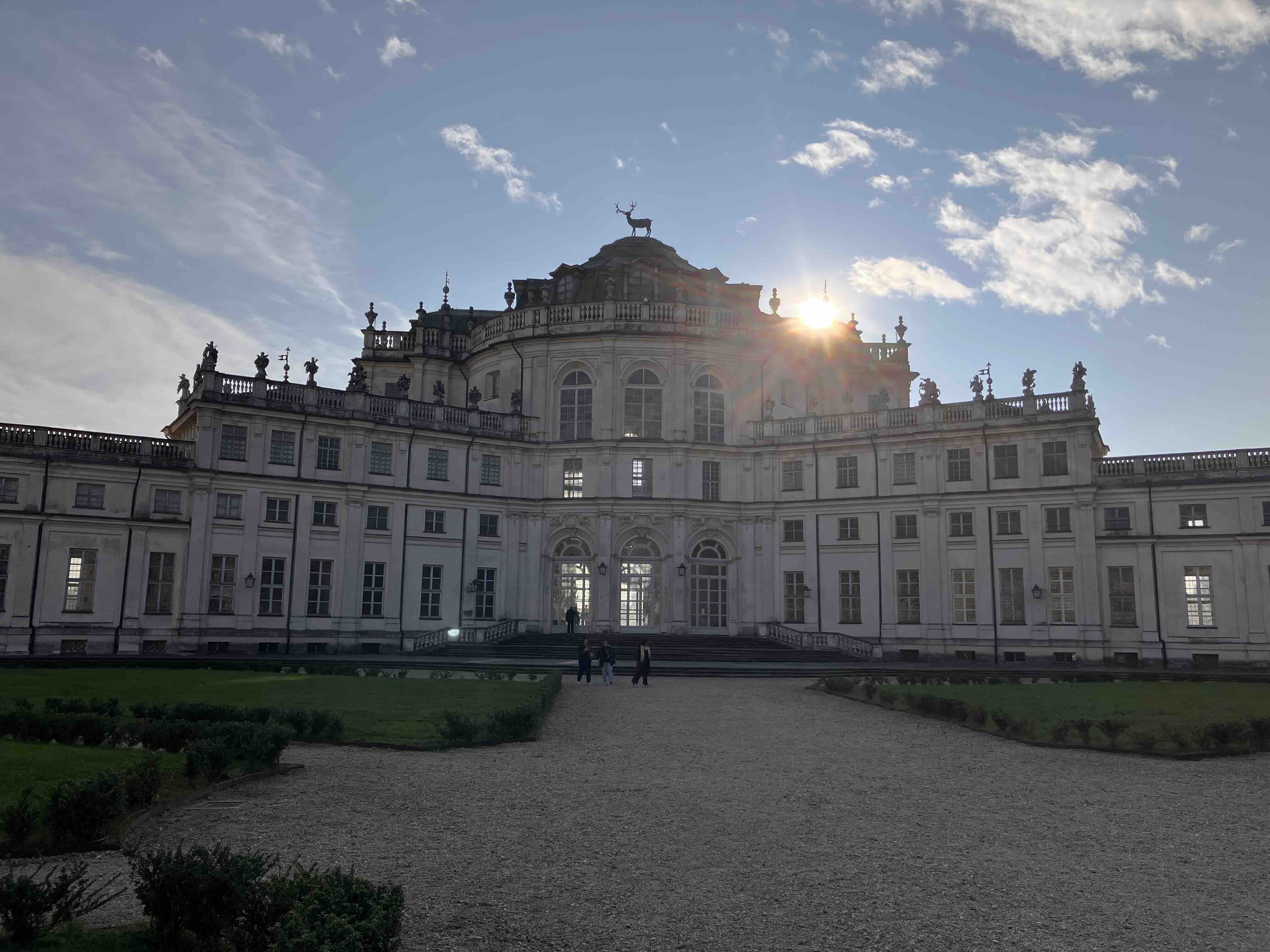
We had a similar discussion about the Stupinigi Hunting Lodge. Built for the House of Savoy, it is a remarkable example of the region's royal history and architectural ambition. Its visit is relatively short, around ninety minutes, and it complements the historic concert venues particularly well. It is not as essential to us as the truffles, Barolo or concerts, but it adds another dimension to the story of Piedmont.
Ultimately, we want the experiences to work together. A vineyard is more than a tasting, a palace is more than a guided visit, and a concert is more than an evening of music. Together, they reveal a region shaped by centuries of history, a distinctive landscape and traditions that remain very much alive.
This is how we like to travel ourselves: discovering things that cannot be experienced in quite the same way somewhere else. We hope our guests leave with a different perception of Italy, and with memories that stay with them long after returning home.
When we explained the journey to the resort manager at Mandarin Oriental, Lago di Como, who comes from Turin, he was genuinely enthusiastic. He and the hotel's sales representative both described the concept as unique and expressed how pleased they were to see American travellers being introduced to their native region in this way.
That reaction reinforced what we already believed. Piedmont is still relatively unknown to many international travellers, but it has everything required for an extraordinary journey. We would simply say: if you think you already know Italy, let us show you another side of it.
Discover Piedmont with DeSalvio Travel
Our October 2027 journey brings together the experiences we believe best express Piedmont: white truffles, Barolo, exceptional local food, historic Savoy residences and private concerts in remarkable settings. Robert's five years living in the region, our own inspection visits and the relationships we have developed locally inform every choice. This is a carefully considered introduction to a part of Italy that deserves to be discovered slowly and properly.
Private DeSalvio Travel Piedmont Italy Journey with Music, Wine and Cultural Experiences

Robert Poortinga
Travel Booking Assistant
River cruise & Europe destination expert
Culinary and art travel specialist
Concert Pianist
