.svg)
Turin and the House of Savoy: Experiencing the Royal Side of Piedmont
A City That Gives You Space
Turin was one of the cities I came to know well while living in Piedmont. My first impression was how low and spacious it felt. There are relatively few high buildings, and the city spreads out rather than pushing upwards. In that sense, it reminded me a little of Washington, DC. Then there are the portici. I have always loved them. They give the centre an immediate Italian character, while the large streets and piazzas keep the city from feeling crowded.
There is a lot to take in. Tajarin pasta, the chocolate drink bicerin, Piedmontese wines, museums and the enormous amount of history contained within the city. Yet the scale makes it feel surprisingly easy to absorb. I also find myself thinking about who has been attracted to Turin over the centuries. Nietzsche finished many books here. Umberto Eco set some of his novels in the city. The Sacra di San Michele, the extraordinary monastery on the mountain outside Turin, has its own connection with The Name of the Rose.
For me, those connections make a city more interesting. I like knowing who has lived there, worked there or found something in the place worth returning to.
Stupinigi Really Is Magical
One of the first things my former teacher Jacques Ogg told me when I said I was going to live in Turin was that I had to visit Stupinigi.
“It’s magical. You have to visit.”
He was right.
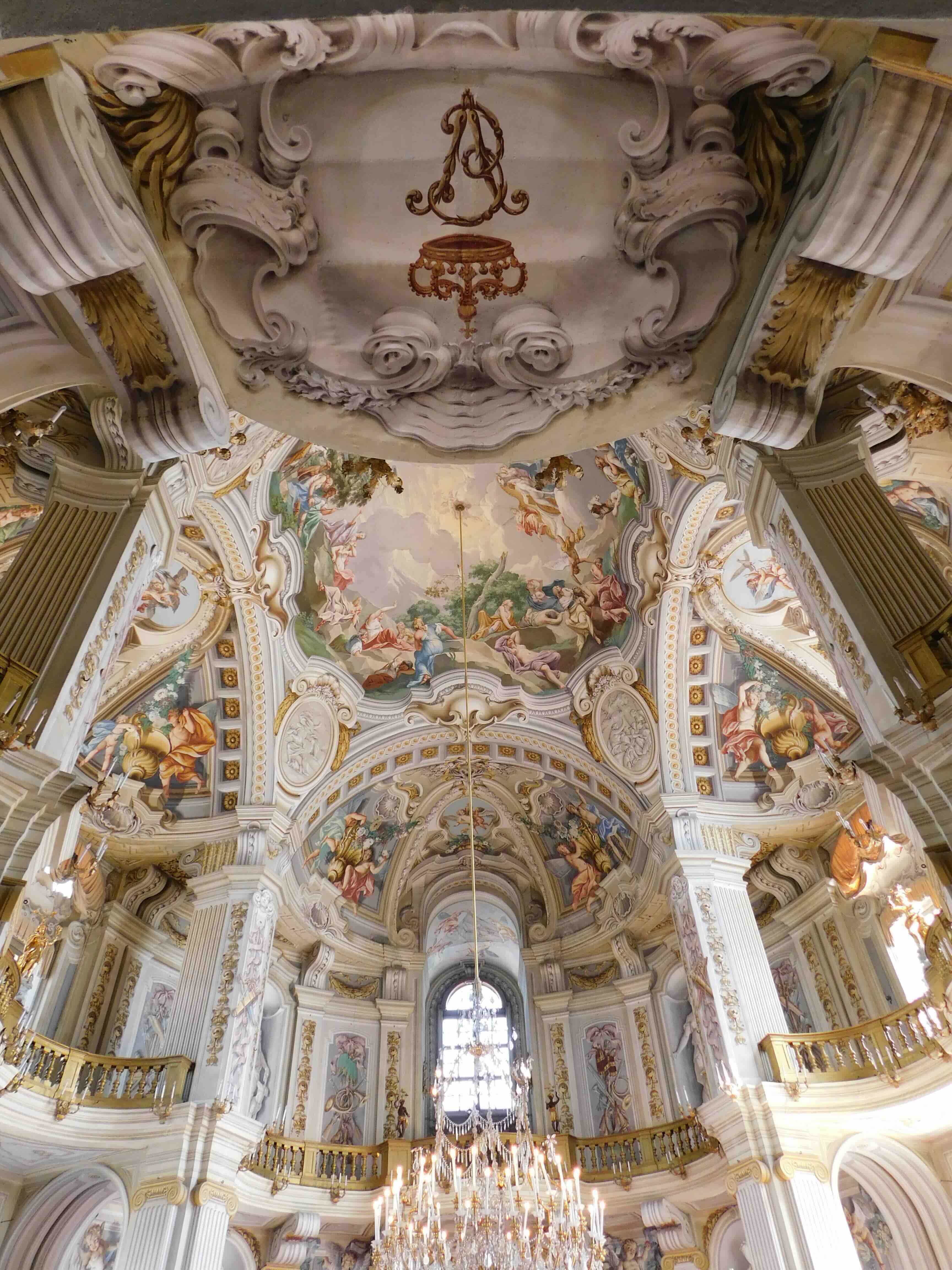
I had never seen anything quite like it. I have returned at least five times and brought many people there over the years. Every wall is covered with frescoes. Every room has its own character and theme. Then there is the extraordinary central interior. But it is not only about the details. The whole hunting lodge is enormous. Even before you enter, its scale gives you a sense of authority and grandeur. Then you begin to see the frescoes and the rooms, and the experience keeps changing.
I have also visited the Royal Palace, its chapel, Venaria and Villa Tesoriera. These places are part of the remarkable cultural landscape created around Turin by the House of Savoy. The Savoys made Turin their capital in the sixteenth century, and their residences became expressions of court life and power. Later, Turin became the first capital of unified Italy in 1861. You can see those different layers in the city without needing to turn the visit into a history lesson.
Look Inside
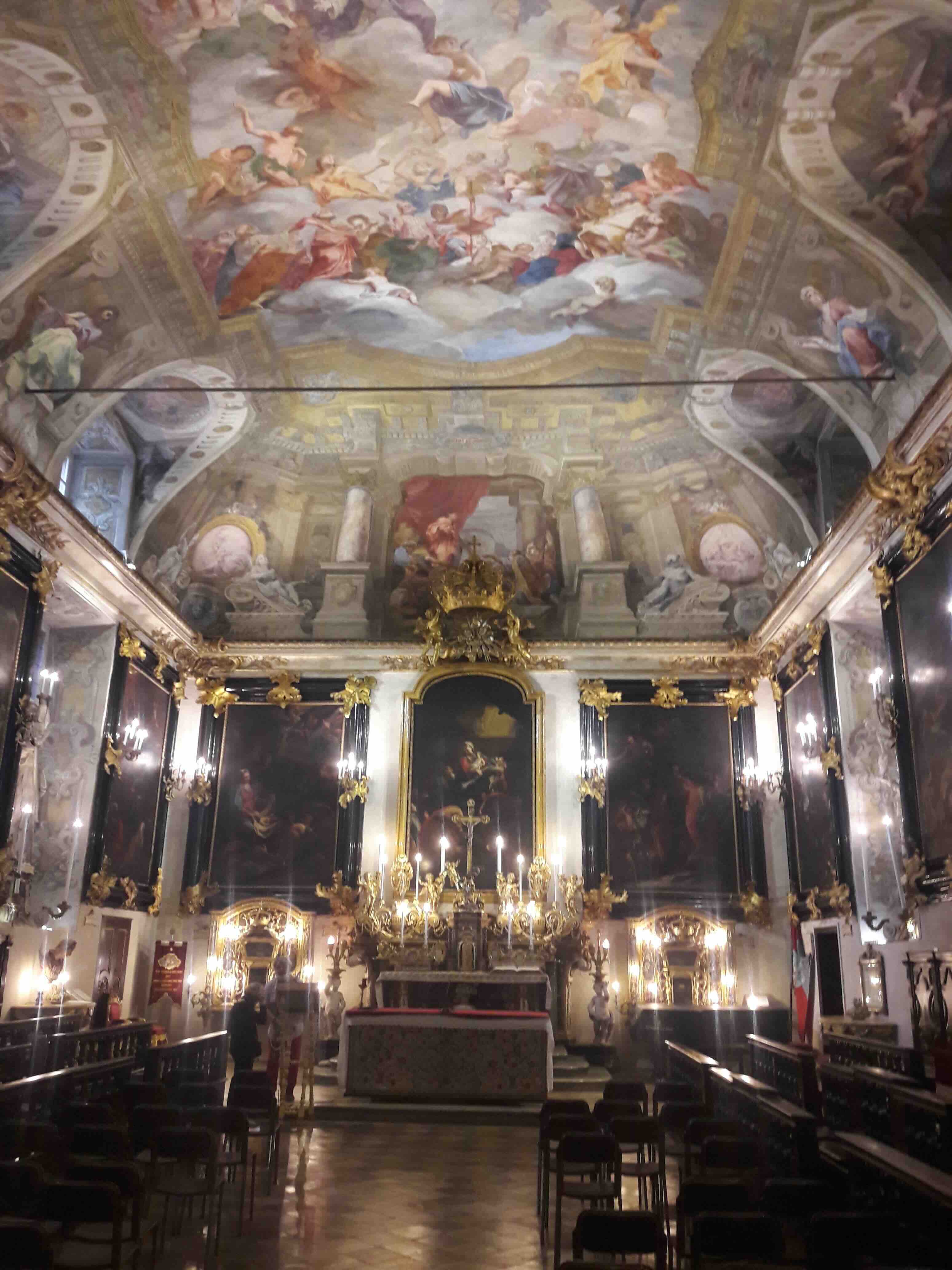
There is something about Italian buildings that I particularly enjoy. From the street, a building can look like an ordinary city block. You walk through a doorway and suddenly find a palazzo, chapel or interior that is completely different from what you expected. In Turin, I often tell people to look up. At Cappella dei Mercanti, in Palazzo Taffini (in Savigliano) and in other buildings around the centre, the details can be above eye level. Ceilings can be covered with frescoes. There can be extraordinary rooms behind fairly unassuming façades.
When I enter a historic room, I don't immediately look for the most famous painting or object. I first try to feel the room itself. Is it spacious? Intimate? Impressive? Intriguing? Then I start noticing the details. The furniture. The paintings and their frames. The light. Wallpaper, porcelain and small objects. As a musician, I also listen. I notice what the acoustics are doing, and sometimes I find myself imagining what it would be like to play there.
Turin Through My Eyes
Turin also became part of my musical life. The conservatory has a beautiful hall and is named in honour of Verdi, whose statue stands outside. There is a music shop with an incredible collection of scores where I bought many pieces during my years in Piedmont. I always wrote inside each score where and when I bought it. Looking back at those notes is a wonderful record of that period of my life. I also had opportunities to playconcerts in Turin and in the wider area of Piedmont. Apart from that I also won first prize in the Luigi Nono competition for chamber music.
If I had a free day with guests, I would start in the centre with Cappella dei Mercanti and the chapel beside the castle, then continue to the castle itself. We could have coffee in Piazza San Carlo at Caffè Torino, and from there decide whether to continue to the café associated with Nietzsche or spend time at the Risorgimento Museum or Egyptian Museum. Afterwards, I would collect everyone and go for a glass of wine at my favourite wine bar next to the Risorgimento Museum. That is how I like to experience Turin. There is the enormous history of the Savoys, but there is also the city I came to know through music, cafés, buildings, scores and the places I kept returning to.
Continue exploring Piedmont's history
- Piedmont, Italy: A DeSalvio Private Journey Through Music, Art, Wine and Savoy History
- Crossing the Alps: The Roads, Travellers and Musicians of Piedmont
- Pinerolo: The city that me fall in love with Piedmont
See Piedmont through art and music
- The Art of Piedmont: Museums, Palaces and Hidden Collections
- Piedmont Through Music: Experiencing Private Piano Concerts in Historic Italy
Experience Piedmont beyond Turin
- The Langhe: Wine, Truffles and the Landscape of Piedmont
- Why Travel Through Piedmont Slowly? Art, Music and the Pleasure of Staying Longer
Explore the complete private journey
See Turin With Us
Turin is part of our Piedmont journey because it offers much more than a list of royal residences. The city gives us the chance to move between its grand history and the smaller details that make it enjoyable to spend time there. We can explore its historic interiors, visit Stupinigi and experience Villa Tesoriera through music rather than simply passing through. It is the Turin I came to know while living in Piedmont, and the one I most want to share.

Robert Poortinga
Travel Booking Assistant
River cruise & Europe destination expert
Culinary and art travel specialist
Concert Pianist
_Black.png)