.svg)
Meeting Bergamo Through the Eyes of Sara Cologni
During our pre-cruise journey in Bergamo, we were fortunate to meet someone who does far more than simply introduce visitors to a city: Sara Cologni, a certified local guide whose relationship with Bergamo is built on a lifetime of observation, curiosity, and love for her homeland.
Our introduction to Sara came through Exclusively Italy, one of our long-standing and trusted partners in Italy. For years, we have worked together to create seamless cultural journeys, relying on their exceptional local network, meticulous attention to detail, and commitment to authentic experiences. Their philosophy of pairing travellers with outstanding local experts is precisely what led us to Sara—a guide whose knowledge, warmth, and profound connection to Bergamo transformed our visit into something far beyond a traditional city tour.
From the very first moments walking through the ancient streets of Città Alta, it became clear that Sara does not see Bergamo as a collection of monuments, churches, and works of art. She sees it as a living organism: a place where stones remember, where architecture carries human stories, where music, gastronomy, landscape, and traditions are inseparable parts of the same identity.
Her guiding is not simply about explaining history. It is about creating a relationship between the visitor and the place itself. Through her words, Bergamo becomes something to be experienced slowly: the texture of ancient stones, the silence of sacred spaces, the hidden details of façades, the voices of composers such as Donizetti and Mayr, and the flavours that connect the mountains, valleys, and generations of people who have shaped this extraordinary city.
We were so inspired by Sara’s perspective that, when we asked her to share her thoughts on Bergamo, we faced a difficult decision: where does one begin to edit such a profound reflection?
Writing often means cutting. It means selecting, shortening, removing. But in this case, to cut would mean to lose. Each answer reveals not only the history of Bergamo, but also the philosophy of someone who has dedicated her professional life to helping others truly understand it.
For this reason, we decided to share the interview in its complete form.
These words are not simply an introduction to a destination. They are an invitation to look differently: to slow down, to listen, to observe, and to discover the deeper layers of a city that reveals itself gradually to those who approach it with curiosity and respect.
We hope you enjoy discovering Bergamo through Sara’s eyes as much as we did.
To learn more about Sara and her guided experiences in Bergamo:
Sara Cologni – Bergamo Visit
BergamoVisit – Sara Cologni Guided Tours
The interview with Sara:
When you first arrived in Bergamo as a guide, at what moment did you realize that this city requires a different kind of attention compared with other Italian cities?
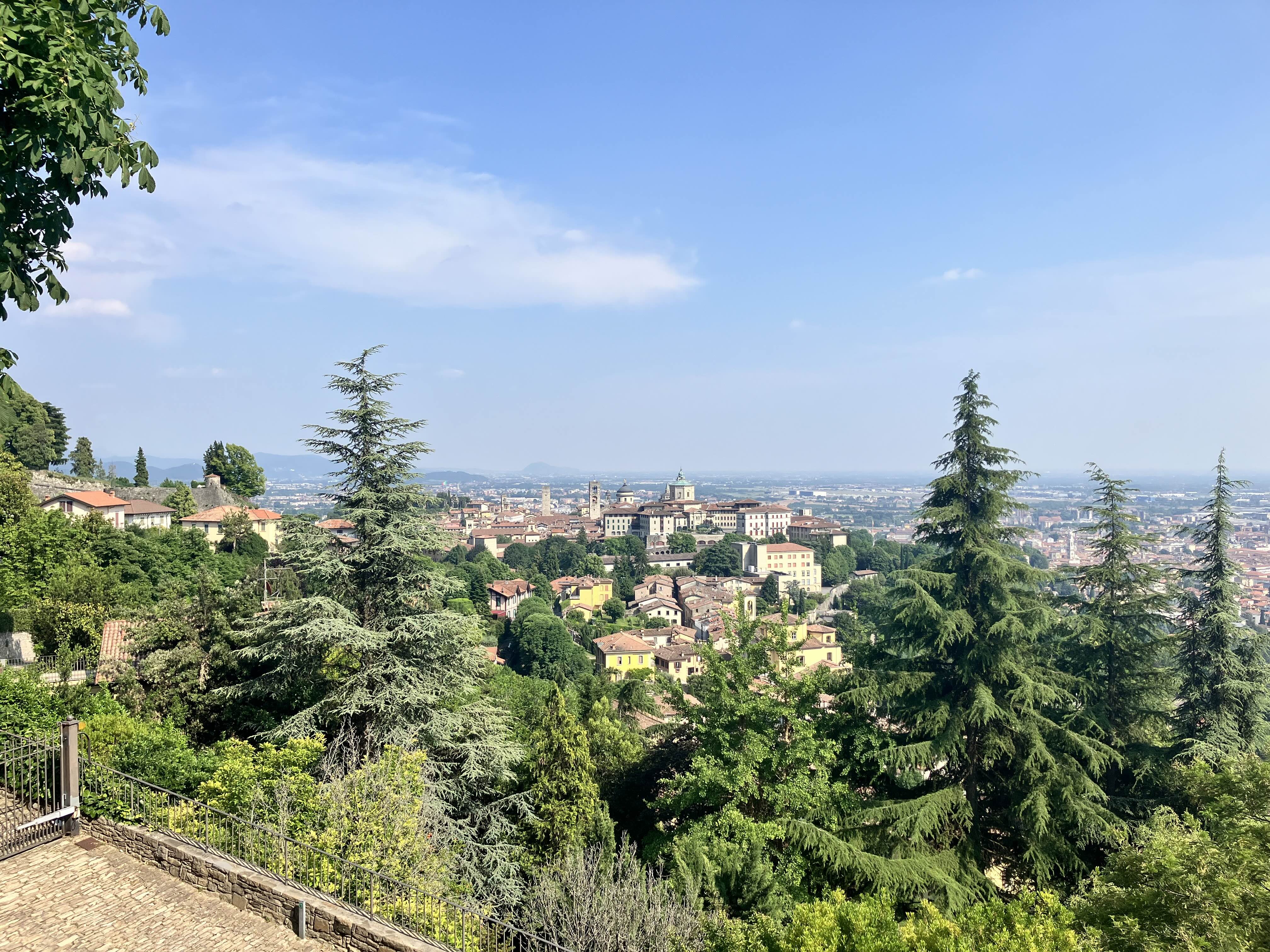
As a guide, I began working in 1995, but I had already come to know and visit my city from the moment I saw it for the first time with my father and mother in 1972, when I was only six years old. It was like a bolt from the blue; I was immediately captivated by its beauty and by its almost magical atmosphere. It seemed to me like a place that had come out of one of the fairy-tale books I used to read. I saw the first rooftops, the gardens, and the panorama of the Lower City with my nose pressed against the windows of the funicular on an autumn morning.
For this reason, I immediately perceived it as a place to protect; precious, unique in its beauty, and vulnerable. A pearl set into a magnificent, delicate jewel, to be shown with grace.
In your daily work, you move between the Upper City and the Lower City. How do you personally experience this passage between two such distinct urban levels?
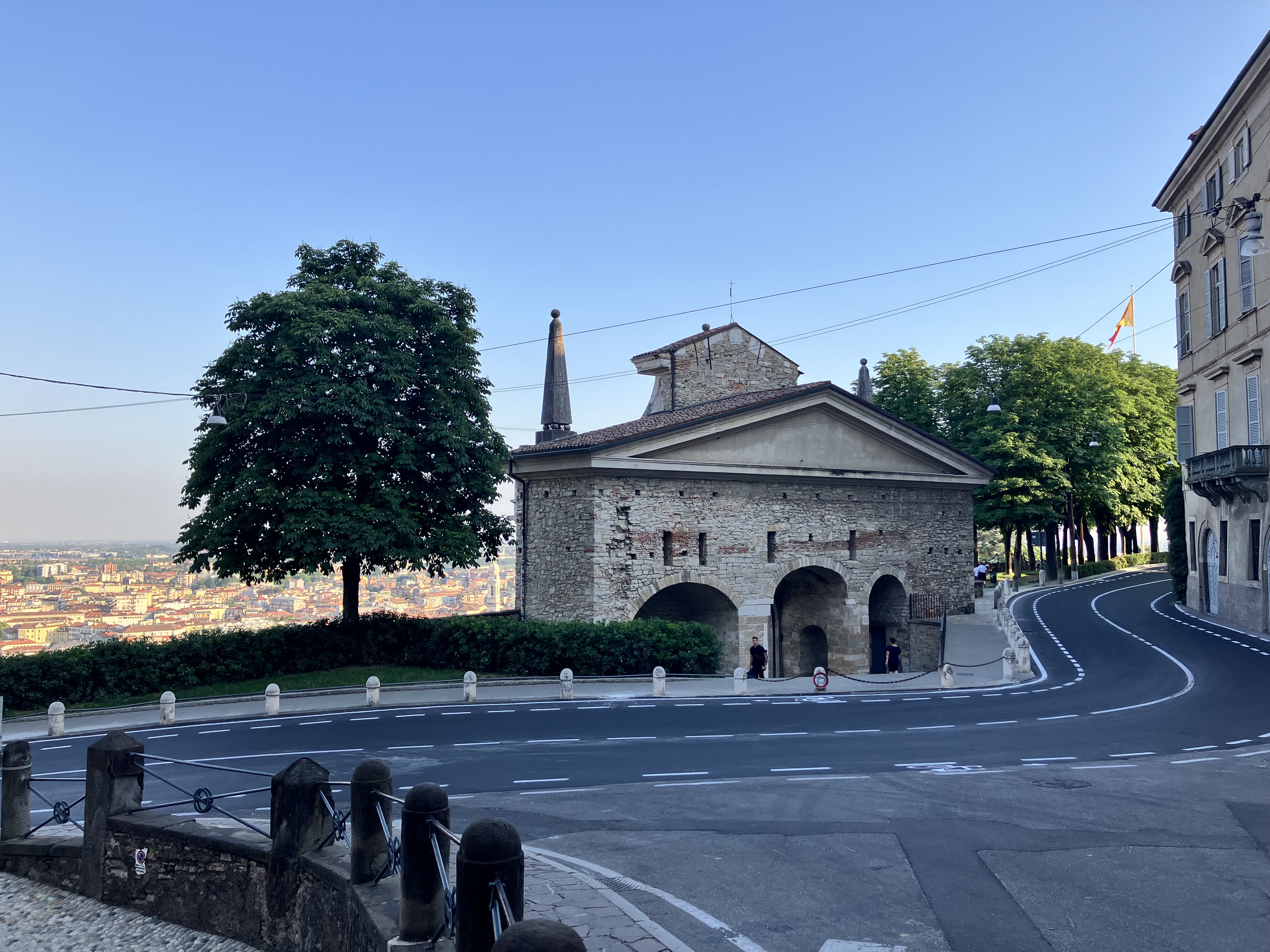
Whenever I walk along the streets or the ancient stone stairways that connect the two cities, or take the bus or the funicular, I experience each time a journey filled with emotions and expectations. I relive moments of beautiful memories, of images slipping past the windows, of wonderful people I have met over so many years. I feel a deep gratitude toward my city, to which I have felt I belong for a lifetime now. I perceive the two cities as having a single soul—inseparable, united even though they are divided by the Venetian Walls.
After years of experience, which details of stone, façades, or streets in Bergamo continue to surprise you even today?
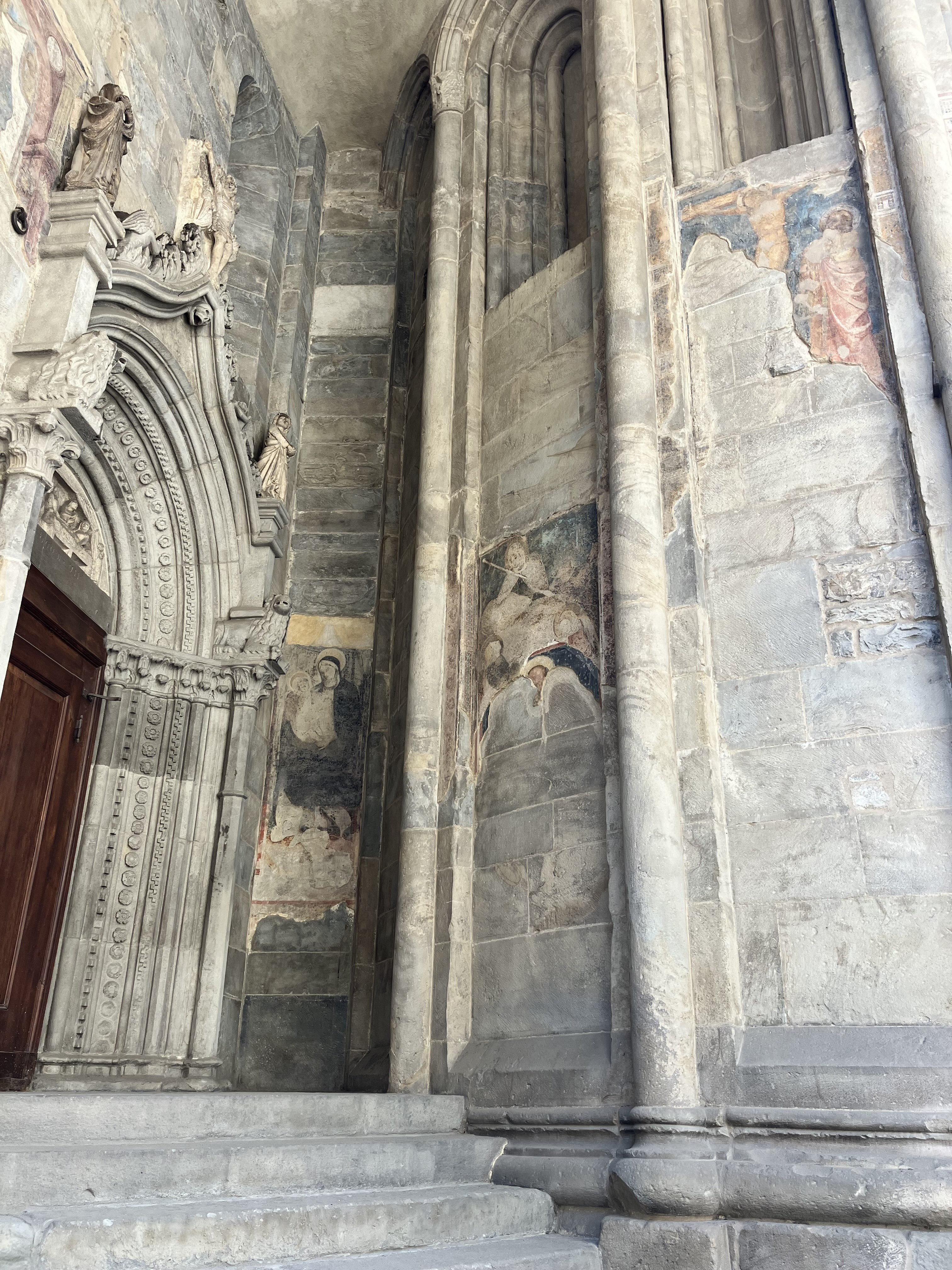
Sometimes I am surprised by the less conspicuous details, the less important ones, the secondary ones, yet carrying so much history on their shoulders. Small blocks of white marble with unusual shapes, remnants of Roman-era buildings set like a mosaic into the walls of medieval constructions. I think about how much time has passed since they were placed there, how many generations of living beings have walked past them; I think of the strong, calloused hands of those anonymous builders who carved them and brought them all the way to us. A continuous flow of energy runs through the stones and connects the past with the present.
I am captivated by the bronze, or other metal, shapes of the door knockers and locks set on the ancient gateways of the palaces in Bergamo Alta. I imagine how many hands have used them to have the great doors opened, at the sharp sound of the knock striking the wood.
I admire the traces of frescoes that remain like signs of the past on the plaster of ancient residences, reminding us of how much colour and beauty once clothed our city.
I love the tangles of climbing greenery that mingle with the ancient stones in a harmonious, almost intimate embrace.
At what moment do you recognize that a visitor stops “looking at” Bergamo and truly begins to “read” it as a historical and cultural system?
This happens when the visitor, in addition to having an attentive gaze and an interested listening, takes one step further: they open themselves to asking questions, they become curious, they begin to seek their own relationship with the city, they want to “understand” it in a personal way.
This makes me happy. I understand that I have placed the visitor in a direct relationship with the place they are visiting, and I am certain that from that moment onward, not only their visual memory but also their emotional memory will carry away a part of the magic of this city, leaving them with an indelible trace.
What is, in your opinion, the artistic or architectural detail most often ignored by visitors, but which reveals so much about the city when it is observed slowly?
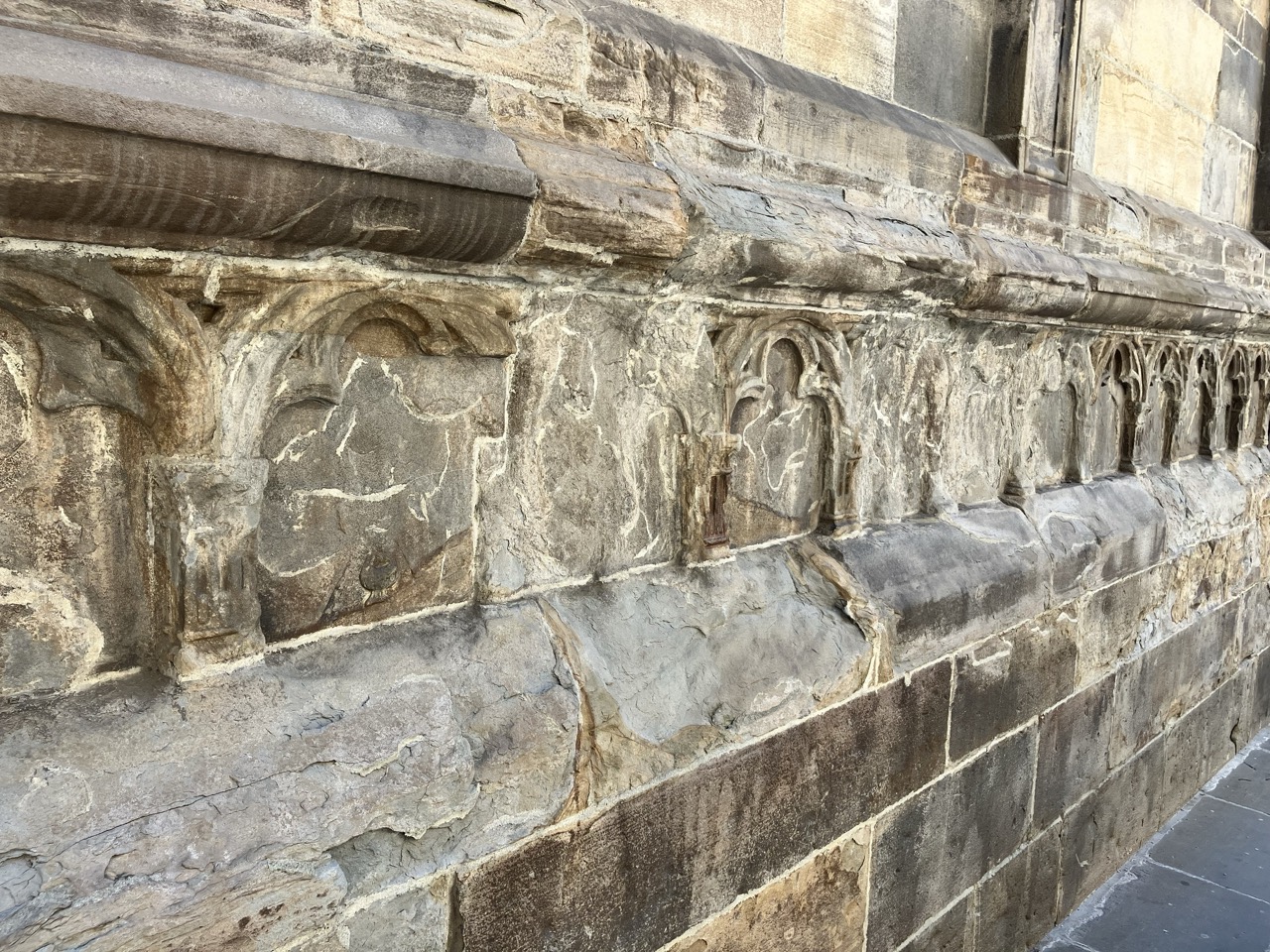
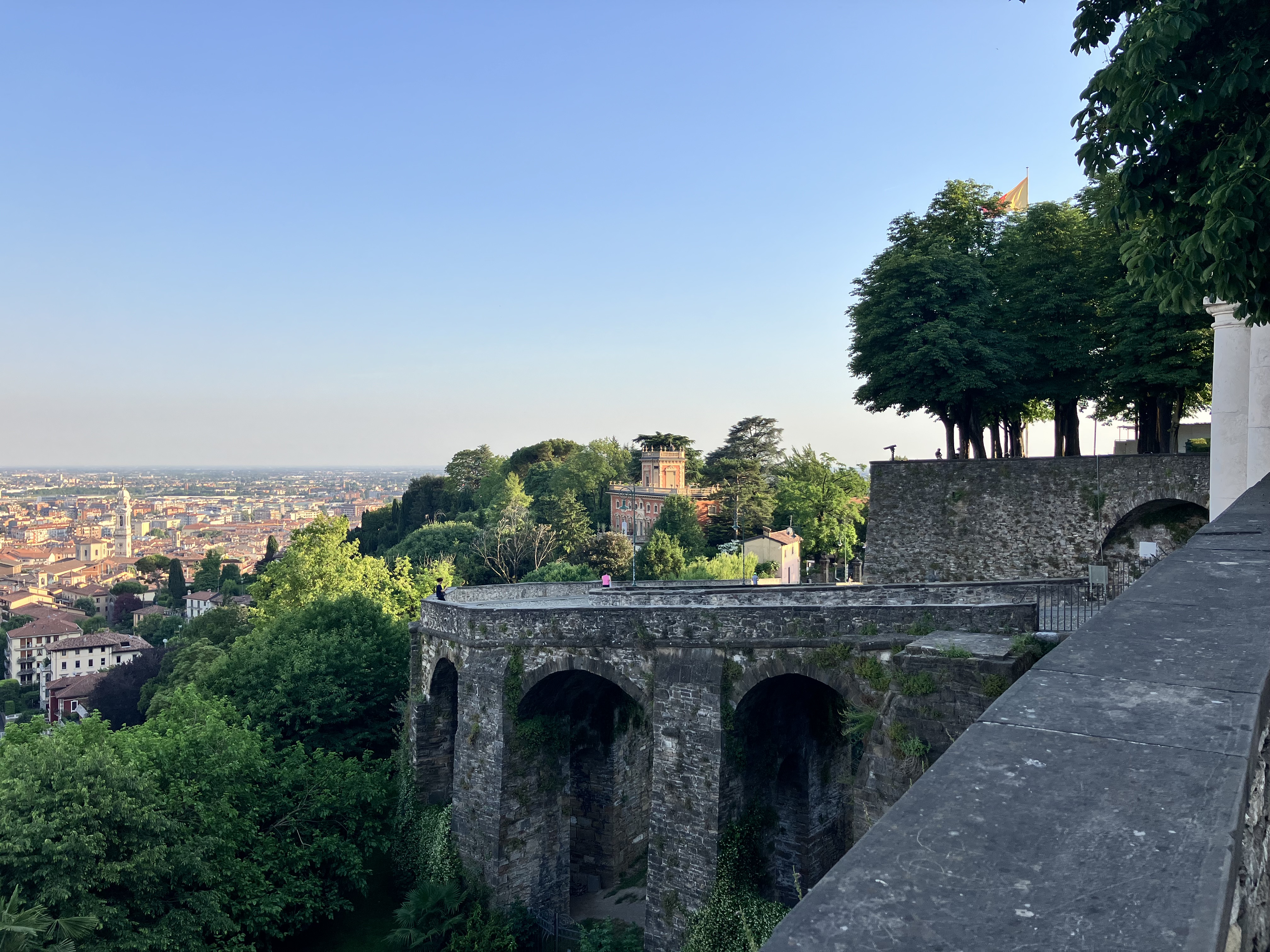
Its magnificent sandstone blocks, roughly shaped at times, at other times carved with grace, gentleness, and beauty, giving them their form. Each one, within its own limited size, contributes to composing the gigantic fabric of the Venetian Walls, or the soaring façades of the medieval towers, or the arches of the beautiful fountains.
By themselves, these blocks of stone appear anonymous to most people, but when we place them all together, they form our magnificent city. All indispensable, all magnificent in their simplicity, roughness, and solidity.
We are accustomed to always seeing only the final result; we grasp only the grandeur of a monument, but we do not see its small individual parts. It is the same with our city.
Sometimes the “bite-and-run” visitor sees the perimeter of the Venetian Walls, the tops of the towers and domes, the pleasantness of Piazza Vecchia, but does not stop to visually gather the smallest details; does not stop to listen to the sound of the water in the fountains; does not stop to watch the movement of the shadows at the base of the tall towers; does not enter into the less frequented corners of the city.
They do not allow themselves to be captivated by the greenery that embraces the city with its vegetable gardens, gardens, hills, and cypress trees.
They hurry away quickly to see everything in a short time and have a SPRITZ!! in Piazza Vecchia.
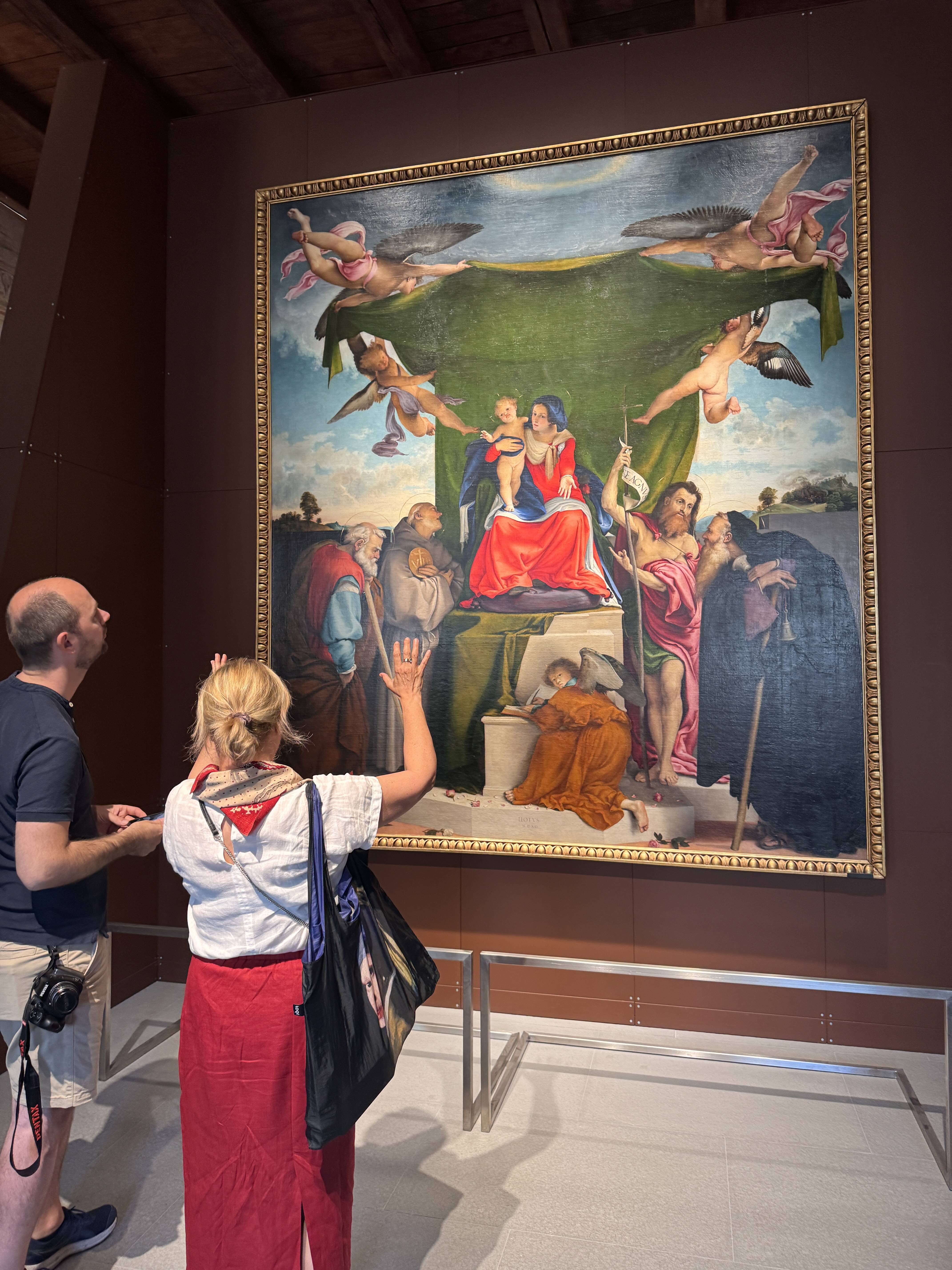
In the reception of Lorenzo Lotto in Bergamo, which aspect of his pictorial language do you think is most often misunderstood by those who see him for the first time?
LOTTO
The misunderstandings about Lotto, in my opinion, derive from the fact that he was a Renaissance painter outside of his own time, extremely original and unconventional. In particular, he differs from the other painters of his era through these characteristics:
He does not seek ideal beauty, the balance found in Raphael Sanzio and Titian. He does not want to represent beauty, but rather reality with all its imperfections. His figures become bearers of uneasy gazes; they have wrinkles, they move their hands nervously.
Lotto focuses on human fragility, on human anxieties, in short, on emotions, and for this reason he is revolutionary. He is far ahead compared with the painters of his time; he is already a modern painter. He creates “psychological” portraits; he tells the soul of people.
In his works we find many symbolic references that are not of clear and immediate understanding; therefore not all viewers are able to comprehend them immediately, and after a brief glance they move away from the work without having understood it.
In my opinion, this makes him a painter who is not so easy to understand immediately, but precisely for this reason, in my view, he is even more interesting to investigate and discover.
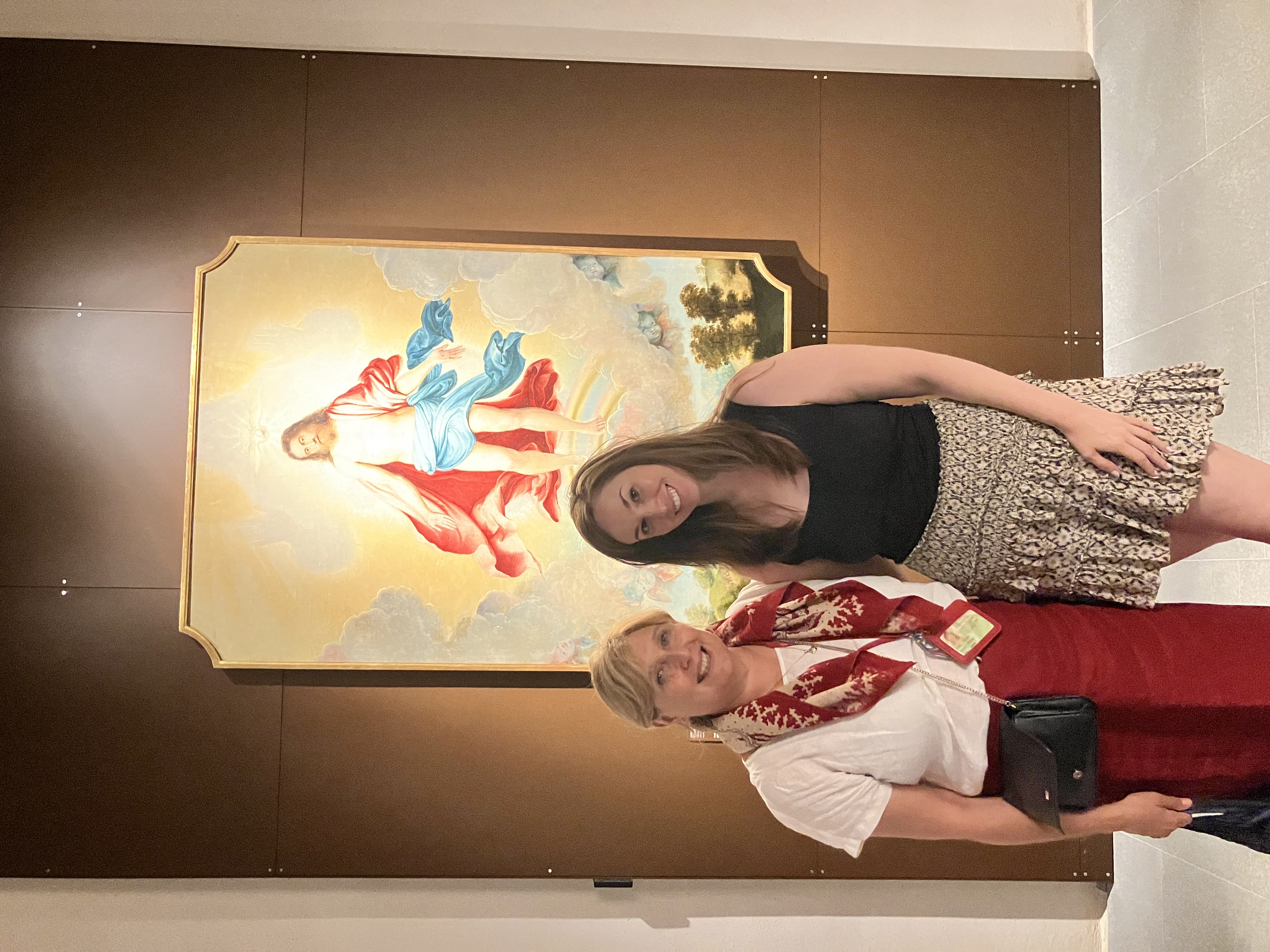
How would you place Giovanni Battista Moroni within the cultural identity of Bergamo compared with his perception in other Italian cities such as Venice?
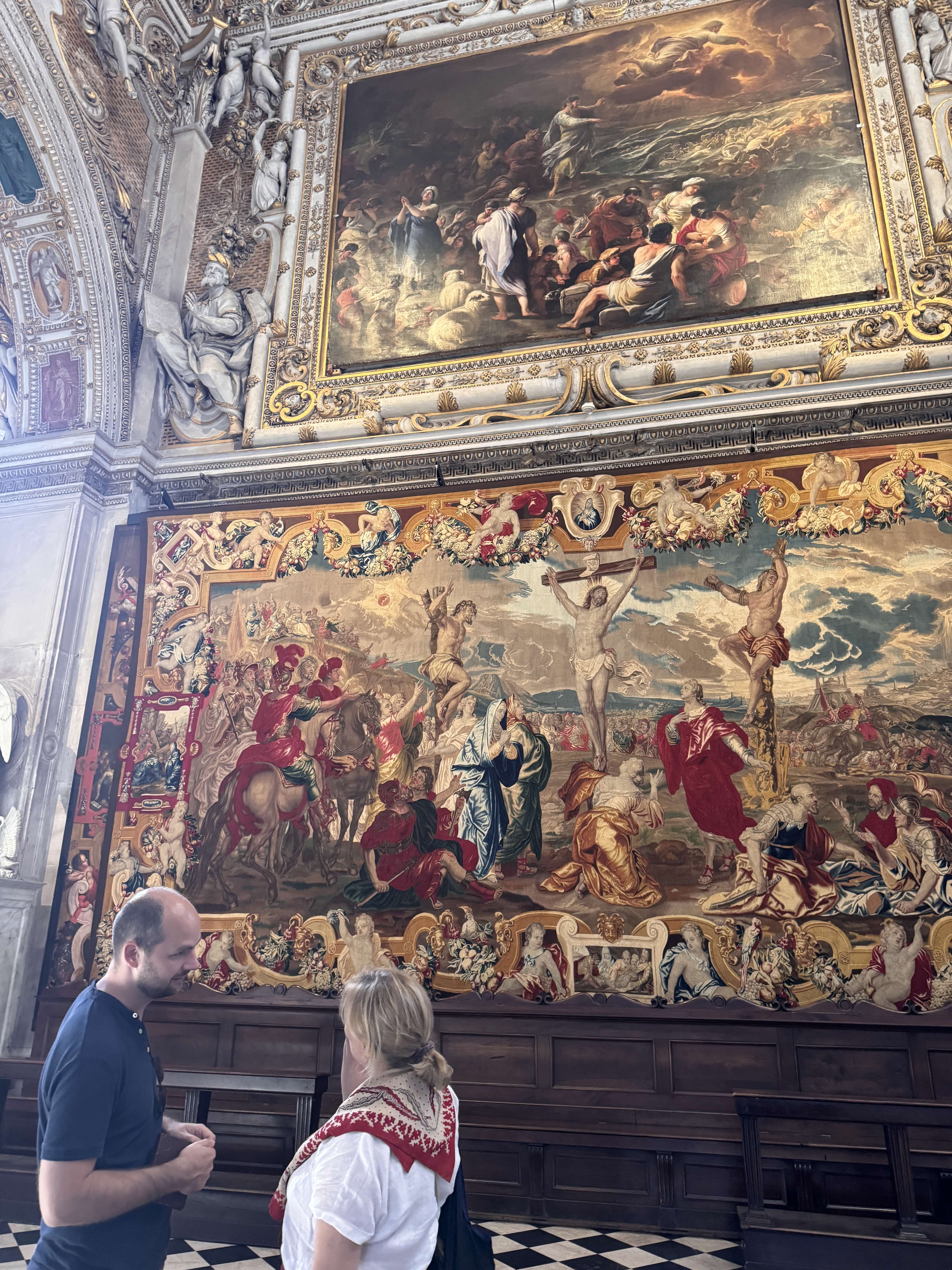
Giovanni Battista Moroni is perceived as a painter deeply rooted in our land, a witness, through all his works, to generations of people from Bergamo. I think of the magnificent small portrait of the little girl from the Redetti family, or the almost alive, speaking portrait of Isotta Brembati, or the portrait of the old man sitting on a chair and interrupted during his reading activity. Through an essential range of colours, he brings characters back to life.
When we observe his canvases and encounter the gaze of his subjects, they appear to us dramatically alive, present. Through their eyes, their gestures, and the few details that are described, the painter focuses on their personality; he tells us their life. It is as if he lays their soul bare.
In all of this, I feel him profoundly Bergamascan: essential, a man of few embellishments, simple—not superficial because of this, but profound, rigorous, serious, sometimes rough. His characters transmit the Bergamascan essence, which is also expressed through great seriousness, discipline, pride, and practicality.
He was not, at least in his own time, a painter who sought fame and glory like other more famous painters in Venice. The boundaries of his life never went beyond the Bergamasca and the Brescia area. From his hometown, Albino, he almost never moved, except to come to Bergamo and, when he was young, to follow his apprenticeship in the workshop of Moretto in the Brescia area.
So local then, profoundly tied to his land, nourished by its soil; so international today! His magnificent works are now scattered among the most important museums in the world.
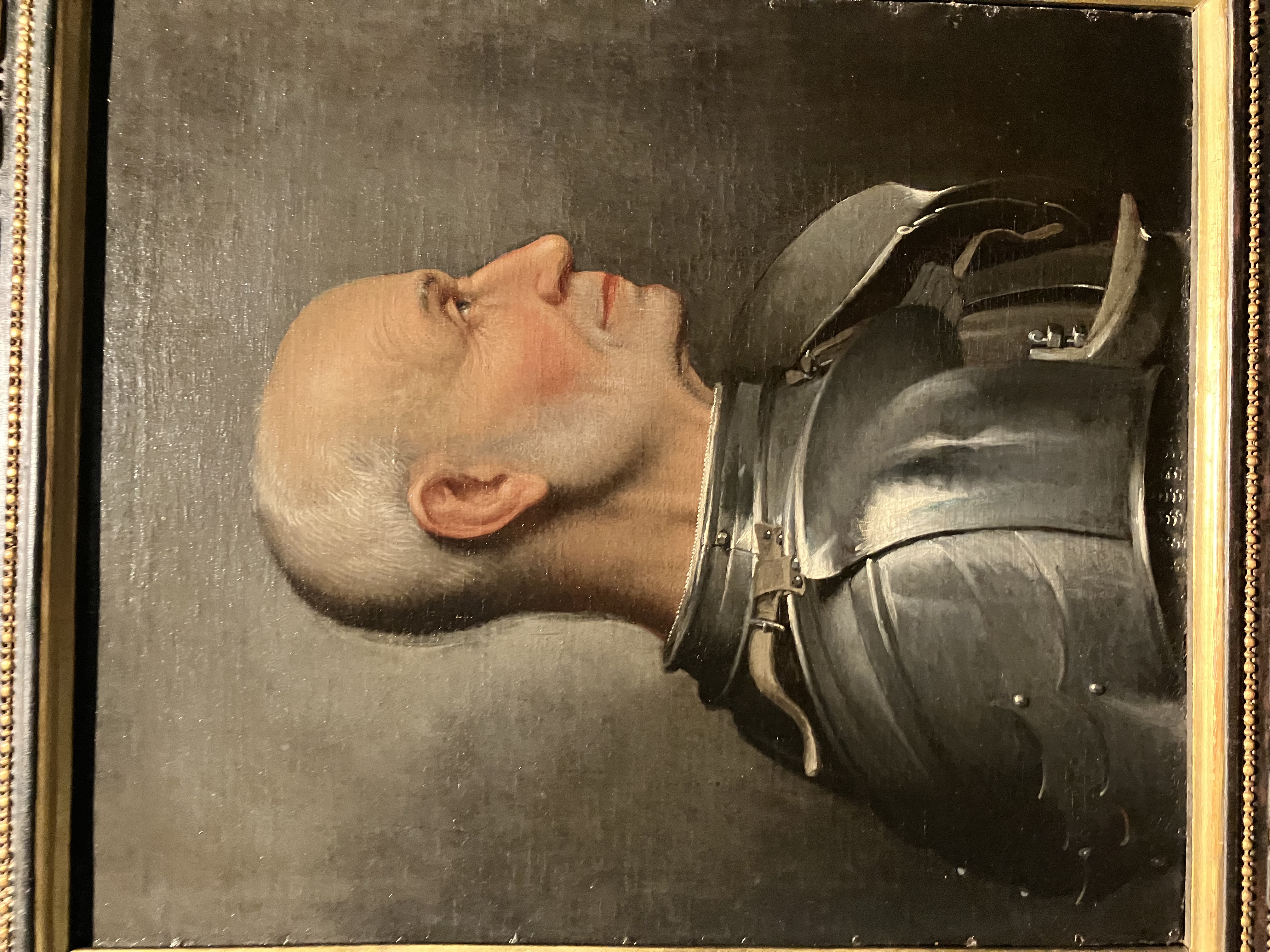
When you work at the Accademia Carrara, what kind of inner dialogue is created for you between conservation, interpretation, and the spirituality of the artwork?
When I work in the Carrara Art Gallery, I think that I am inside a temple of beauty, where every gesture, thought, and action must be directed, with great attention, toward the highest possible enhancement of the artistic heritage collected there, just as was desired from its foundation by the historical father of the art gallery, Count Giacomo Carrara.
He donated all of his heritage to the community of Bergamo and not only that; today, I would say, to the entire world that comes to visit our art gallery. Beauty made available to everyone.
All the restoration activities of the artworks carried out by this gallery, and their conservation, are aimed at safeguarding an extraordinary heritage, made available to all those who wish to draw from Beauty.
In my narration to visitors, I always consider it fundamental to emphasize the origin of this heritage, so precious for all of us, and the extraordinary generosity of a man who, in turn, generated a sequence of other donations that further expanded the artistic heritage of this foundation.
During the journey that then leads us to discover the 16 rooms of the gallery, a dialogue unfolds about the history of the exhibited works, trying to enter into the heart of their content, of what they are still able to communicate to us today despite having been created in the past.
What we read in a work of art from another time is always current; we rediscover the themes of life, of history, of religion, which we can always look at also through our own contemporary perspective, with an even broader ability of interpretation, amplified by knowledge and by time.
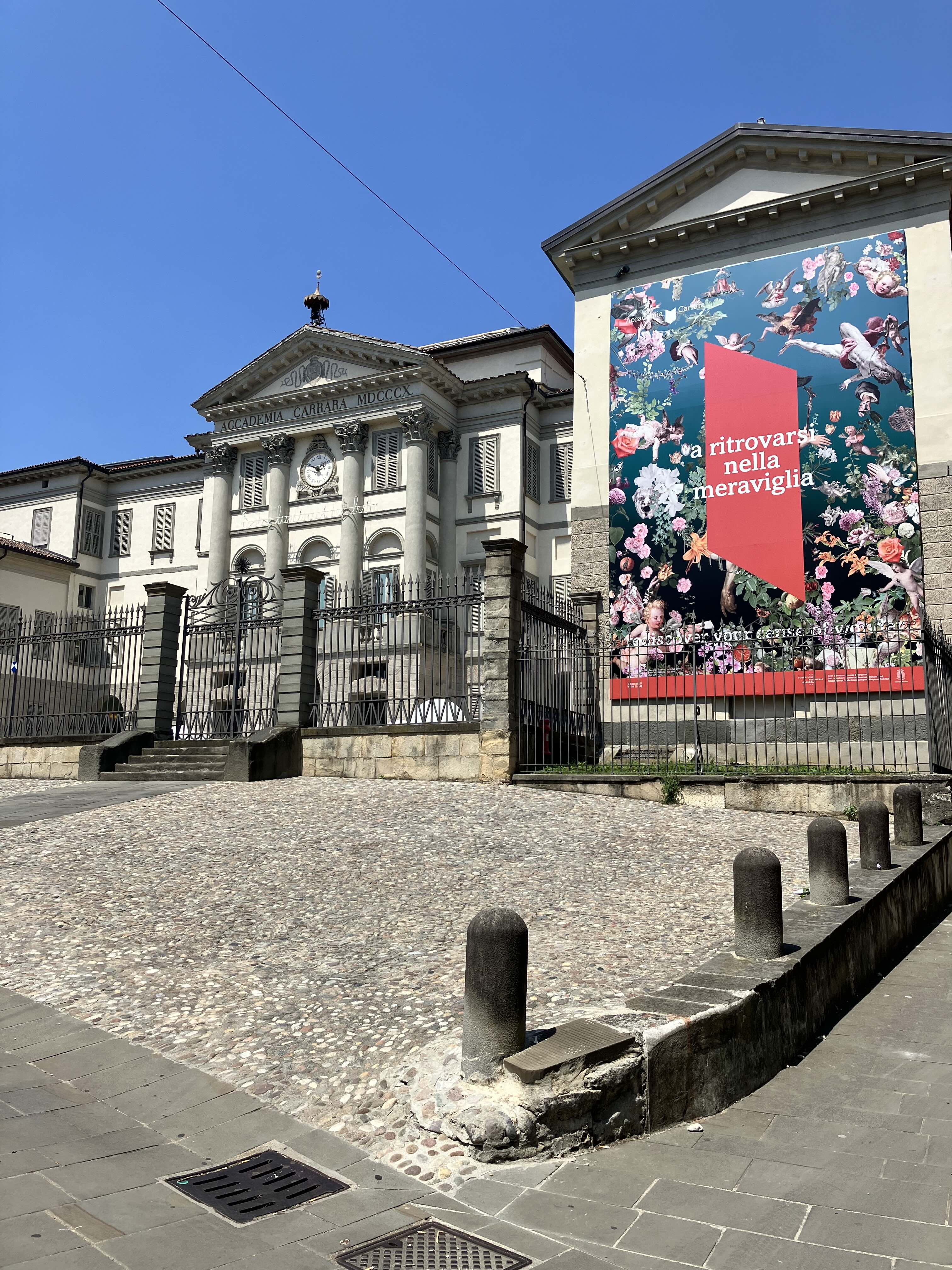
The musical tradition linked to Simon Mayr and Gaetano Donizetti is still perceptible today in the city. In what way does this musical heritage continue to live in the present-day Bergamascan reality?
Bergamo still today keeps alive its passion for and education in music through the presence of a school, the Politecnico delle Arti di Bergamo – “G. Donizetti - G. Carrara” Conservatory, in which many students are enrolled.
The city also celebrates every year the opera season dedicated to Donizetti, with the staging of his works on the stage of the most beautiful theatre in the city, the Teatro Donizetti. In 2026, the opera season will begin on November 13 and will conclude on November 29 with three operas: “L’Esule di Roma” and “Le Convenienze ed inconvenienze Teatrali” at the Teatro Donizetti, and “Alahor in Granata”, which will be presented at the Teatro Sociale in Città Alta.
Each opera will be preceded by an Under 30 Preview, which will involve hundreds of young people who will have the opportunity to attend the new productions of the festival first, and at a special price.
Johann Simon Mayr and Donizetti are also celebrated by the Circolo Musicale Mayr-Donizetti, by the Società del Quartetto di Bergamo, and by the Fondazione Mia, the latter with concerts directly inside the Basilica of Santa Maria Maggiore.
The two composers are the protagonists of the guided tours that we tourist guides carry out at the birthplace of Gaetano Donizetti in Borgo Canale, where it is possible to follow the biography of both composers through a biographical museum itinerary.
Their story continues also in the visiting routes that we follow through the Teatro Donizetti or the Teatro Sociale.
Bergamo has also dedicated a dessert to the great Bergamascan composer: the torta Donizetti, which can be tasted in the best pastry shops of the city.
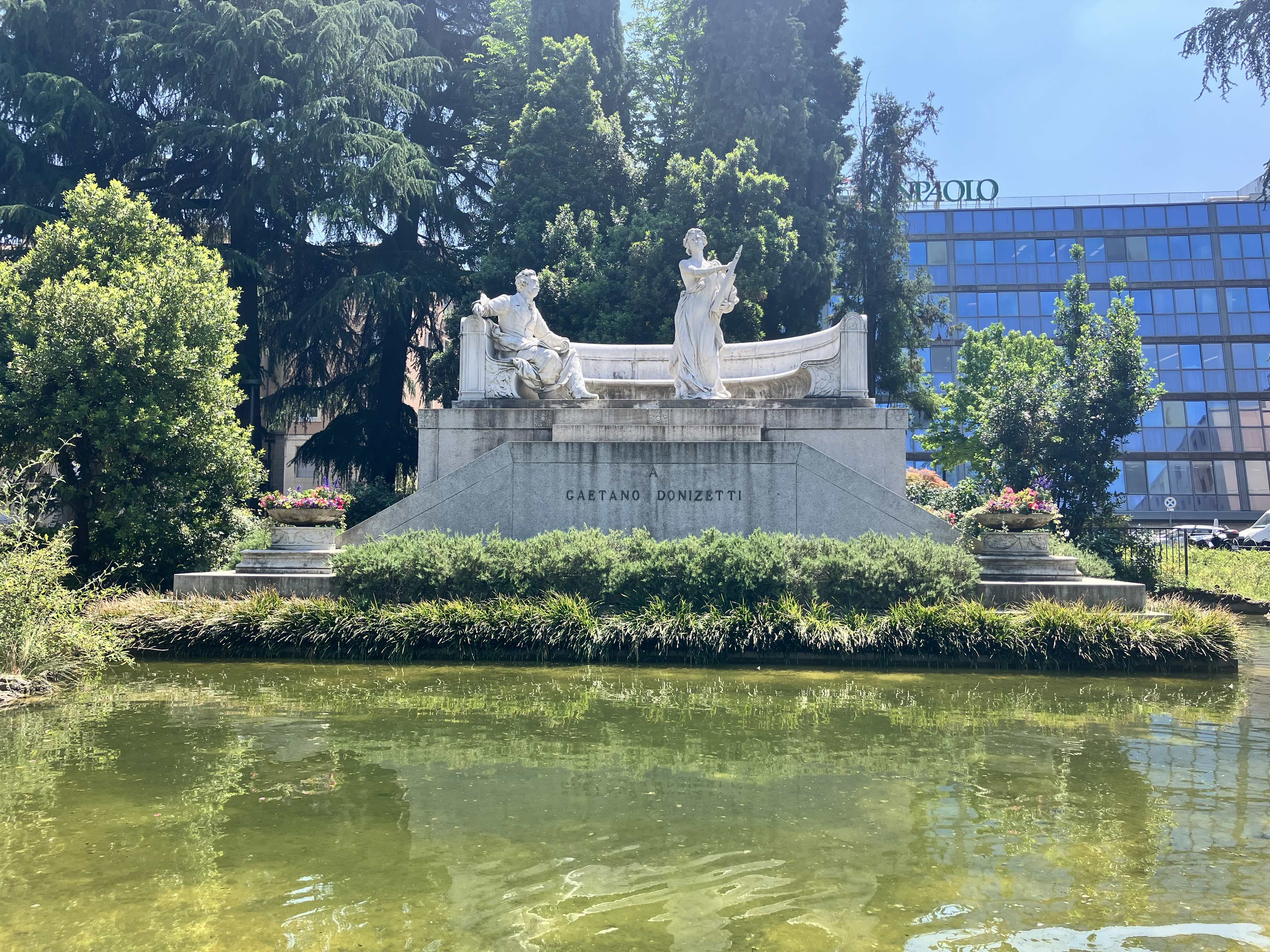
Being also a cheese taster (and judge), how would you describe the connection between Bergamascan gastronomic culture and its historical and social identity?
I consider the connection between Bergamascan gastronomic culture and its historical and social identity something deeply inherent; their fusion is an added value.
I think that there are places that one visits and places that one understands. Bergamo, for me, belongs to the second category.
To understand a territory means going beyond what appears to the eyes. It means entering into a relationship with its history, listening to the people who inhabit it, grasping the profound connection that unites the landscape, culture, and traditions.
For this reason, when I accompany a visitor, I do not limit myself to telling them about monuments, churches, or works of art. I love telling everything that makes Bergamo what it is.
The identity of a land is not preserved only in its stones; it is also preserved in its flavours.
Every territory possesses a material heritage, made of architecture, squares, and monuments, and an intangible heritage, built from gestures, knowledge, traditions, crafts, and memories handed down through time.
These are two inseparable forms of heritage: one tells the story of what we have been; the other tells the story of how we have lived.
Among the most authentic expressions of Bergamascan culture there is cheese. It is not only a gastronomic excellence. It is the result of a centuries-old dialogue between man and nature, between mountains and pastures, between farmers and cheesemakers who, with patience and expertise, have transformed ancient knowledge into a heritage recognized throughout Europe.
It is not by chance that Bergamo is considered the European capital of PDO cheeses.
Behind this achievement there are not only extraordinary products, but also people, families, communities, and daily sacrifices.
A knowledge that passes through generations continues to live thanks to those who, even today, choose to preserve it.
When I taste a cheese, I do not seek only a balance of aromas, fragrances, and textures; I seek its history.
I ask myself which valley saw it being born, which herbs nourished the animals, how many hands contributed to creating it, which traditions it passed through before arriving on our table.
Because every cheese is the story of a landscape.
Every wheel contains the silent work of men and women who have built, with dedication and respect, a cultural heritage before it was even a food heritage.
This awareness has transformed my way of tasting and has also transformed my way of being a guide.
This is why, in 2025, I chose to become an ONAF Master Cheese Taster.
Not to add a title to my professional path, but to acquire the tools necessary to tell another part of Bergamascan identity: the one that is discovered through taste, through smell, through touch, through listening, and through curiosity.
When I take a wheel of cheese in my hands and observe its rind, perceive its fragrance, listen to its sound, and finally taste it, I do not see only a food. I see centuries of experience; I see the work of those who rise before dawn; I see pastures, alpine meadows, seasons, hardship, and passion.
I see my land.
And it is precisely this vision that I wish to share with those who choose to visit Bergamo with me.
Accompanying people through the streets of the city and then allowing them to encounter the flavours that tell the same story means offering a deeper experience, because a monument moves us, a story involves us, but when history, landscape, and flavours meet, something is born that remains in the memory:
a journey into the true identity of Bergamo, to be lived with the eyes, listened to with the heart, and tasted—one bite after another.

What role does silence, in your opinion, have in the churches and sacred spaces around Piazza Vecchia?
Silence would be the best condition for a visitor to enter into the magic of Bergamo Alta. That dimension alone would awaken their sense of wonder and the magic of their contact with Bergamo. Nothing else would be needed.
A silent, intimate contact; a serene, calm, focused gaze, not distracted by noises and sounds.
Today, to rediscover this almost impossible condition, one would need to visit Bergamo early in the morning or very late in the evening. A dimension that I miss greatly... I experienced it when I was a child.
One could grasp all the magic of the city in its almost heavy silence. The sound of the few footsteps on the ancient cobblestones, the sound of the fountains or of the windows opening onto the streets, the few conversations in the Bergamascan dialect of the elderly people in the alleyways, and the smell of bread coming out of the Tresoldi bakery!!
Not anymore now; in its place there is now a Carrefour Market!
With time, this magic has been lost.
Today, the large number of visitors, especially during certain periods of the year, makes this sensation impossible, even inside the churches, where the sounds of mobile phones are not absent.
Today one is constantly distracted by sounds and noises, and one no longer tunes oneself to the frequency of SILENCE.
How do you balance, in your work as a guide, rigorous historical explanation with the space necessary for the emotional experience of the visitor?
I always begin by trying to understand the person in front of me and, if they are passionate about history, I tune myself into their channel, trying to draw upon the many historical details I know and making different connections.
I always begin by asking where the visitor comes from, in order to understand whether there have been historical relationships in the past with my land, to seek a point of communication that is even more interesting for the person listening to me.
If I perceive other passions or interests, I try to follow that path and find the greatest amount of information that can truly be interesting. For example, for someone who loves music, I provide a deeper exploration of our composer Donizetti, of Mayr, of the choir of the Basilica, of the theatres, etc.
When, after about an hour or more in which I passionately tell the story of the city, I see that the person usually begins to open up, the contact becomes less rigid, more fluid, almost a “parental” relationship.
When this transition occurs—from a more formal relationship to a more relaxed one, in which the visitor opens up more—the moment of interaction, dialogue, and questions begins.
It is a precious moment, unique for both of us: we enrich ourselves with a shared wealth of knowledge; we both grow.
It is the moment of the reciprocal exchange of knowledge and sensations.
It is the moment in which a profound emotion of mutual gratitude is shared.
It is the moment in which that shared experience leaves a beautiful, indelible trace in both of us.
After so many years, which part of Bergamo do you still feel is “open,” in the sense that it resists a definitive interpretation and continues to surprise?
It is a city always in movement, active, not always focused on the same things, on the same events.
It lives from continuous stimuli and research.
It is always striving toward beauty, toward improving itself.
In this, it always surprises and fascinates me.
If you had to define Bergamo not with a description, but with a perceptive principle—that is, the way in which it should be looked at—what would it be?
Bergamo, for me, should be looked at with wonder and enchantment every time you open your eyes and look at it.
Every time it is as if it were the first time, because you always find something immensely beautiful that you had not seen or perceived before...
I remain enchanted and captivated by its beauty, which regenerates itself every day with different lights, different colours, in summer, autumn, and winter.
In short... I can never get enough of it.
I cannot say how other people should look at it; everyone has their own different way of looking at beautiful things.
I only hope that they approach it with great intensity and respect, and that they do not look at it hurriedly with distracted eyes or only through the lens of a mobile phone camera!
Is there a local saying, a Bergamascan expression, or a popular philosophy that, in your opinion, best summarizes the character of the city and its people?
“BERGHEM DE SASS”....
It is part of an evocative dialect expression already used in the nineteenth century and revived after COVID in 2020.
Berghem = Bergamo, understood as its PEOPLE.
De sass = of stone, of rock; meaning strong, tenacious, hardworking, practical, (workaholic), resilient against the hardships and dramas of life.
A popular dialect expression that was especially revived with COVID, which struck our city and our entire territory very hard.
We people from Bergamo are tough, sometimes stubborn, but strong and resistant. Nobody can stop us when we set our minds on something, especially when we must help each other all together to face and solve great problems, such as the one that affected all of us in 2020.
The WALLS of Bergamo, after all, are a beautiful expression of all of this: a great single embrace of the entire Bergamascan community (stones with other stones) around its living, beating heart.
This is how we people from Bergamo are.
What traveling with DeSalvio Travel means:
At DeSalvio Travel, we believe the people you meet are just as important as the places you visit.
That's why we work with an exceptional network of carefully selected local guides, historians, chefs, artists, and cultural experts across Europe.
Sara Cologni is a perfect example of the philosophy of understanding rather than showing a destination. Through trusted partners like Exclusively Italy, we connect our travellers with remarkable local experts who transform a visit into a lasting memory.
If you're looking for a journey built around authentic cultural experiences and the very best local expertise, we'd love to help you plan it.

Robert Poortinga
Travel Booking Assistant
River cruise & Europe destination expert
Culinary and art travel specialist
Concert Pianist
_Black.png)