.svg)
How We Choose the Right Seat for a Piano Recital or a Mahler Symphony
The first question I ask is not “where is the best seat?”
When we choose concert seats, we never start with the ticket category. We start with the music.
A solo piano recital and a Mahler symphony are completely different experiences. The instrument on stage changes everything. The size of the ensemble changes everything. Even the reason someone wants to attend the concert changes the choice.
For some guests, seeing the performer matters. They want to watch the hands move on the keyboard or the fingerboard of the violin, see the expression of the artist, and feel close to the person creating the music. There is nothing wrong with that. It is part of the experience.
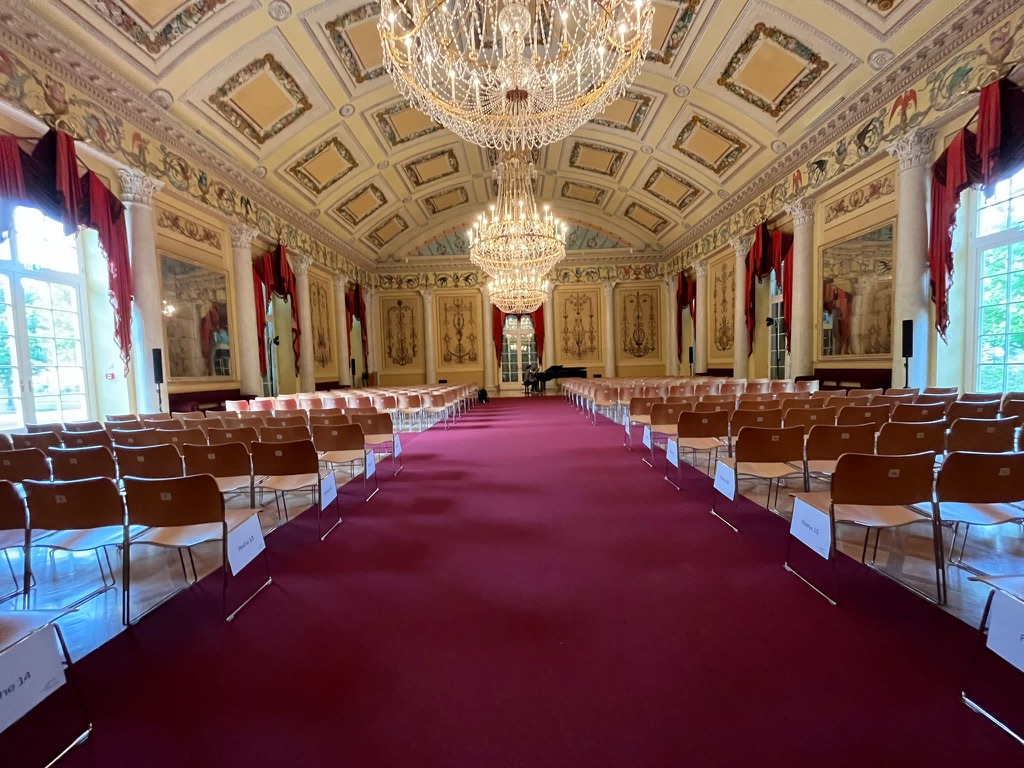
But if the goal is to hear the piano at its fullest, I, as a professional pianist, think differently. I want to sit where the sound has space to develop. For a piano recital, I usually prefer the middle of the hall, around 15 to 20 meters away from the instrument. From there, the sound begins to come together. The individual notes become one musical line.
Sitting on the keyboard side can give a wonderful view, but it is not automatically the best listening position. It depends on whether you are watching the performance or listening to it.
Why Mahler belongs further away
Mahler is where many people make mistakes.
A 120-person orchestra needs space. The sound needs time to travel and blend. Sitting in the first rows can feel impressive for the first few minutes, but the balance disappears. The brass can become overwhelming, and the different sections of the orchestra do not have the chance to become one sound.
For a large symphonic work, I often prefer the back of the hall or a good balcony position.
People are sometimes surprised when I say this because they think the most expensive seats must be the best. But with a Mahler symphony, sitting close can work against the music.
I remember walking into halls where people had chosen seats directly in front of the orchestra because they wanted the “best view.” They could see everything, but they were not hearing the full orchestra. The interpretation becomes harder to follow because the sound is too direct.
The same seat that works beautifully for a Mozart piano concerto might not be the place I would choose for late Mahler.
Finding the centre of the sound
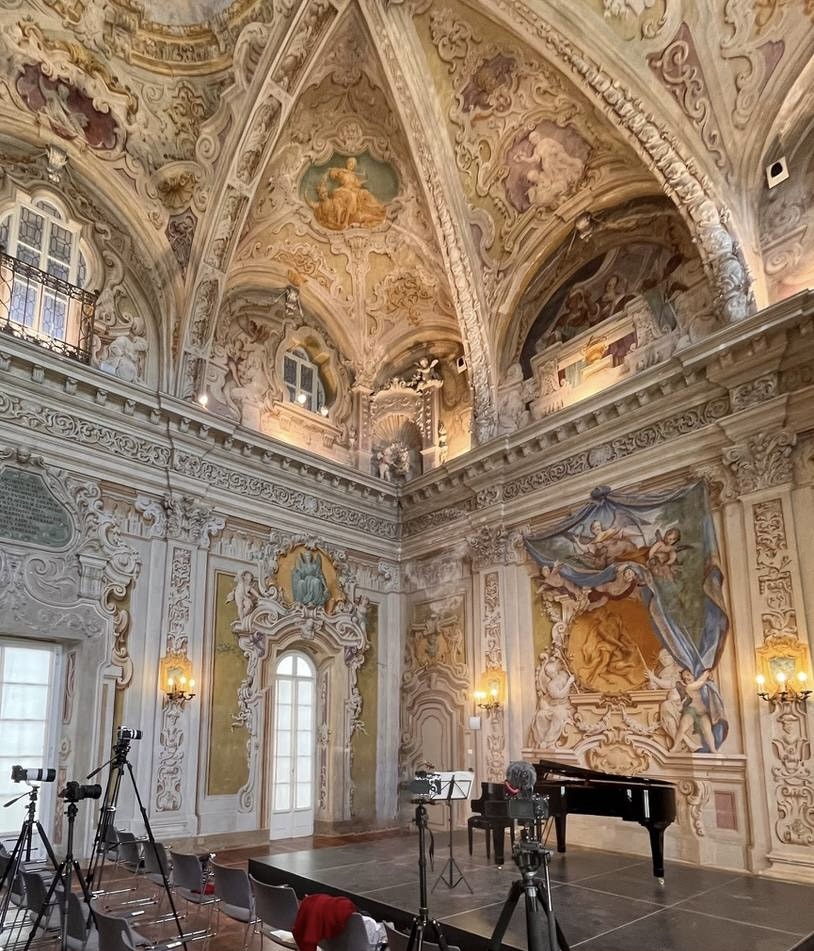
Every hall has its own personality. A traditional European concert hall, a modern vineyard-style hall like the Berlin Philharmonie, and a smaller chamber music venue all behave differently.
The first thing I look for is where the sound projects naturally from the stage. I want to place myself in the centre of that projection.
My experience as a performer influences this. When I record, I think about microphone placement in the same way. There are close positions, middle positions, and more distant positions depending on the instrument and the repertoire. Listening in a hall requires the same thinking.
When I book tickets for a hall I do not know, I look at the space. Then I look at the programme. A solo voice needs something different from a piano recital. A string quartet needs something different from a full orchestra.
The music decides the seat.
The seat is never just about acoustics
There is another part that cannot be measured by a ticket website. The person sitting in the seat matters too.
When we advise clients, we also think about practical details. Can they comfortably reach the seat? Do they need easy aisle access? Are stairs a problem? Do they want to focus completely on listening, or is seeing the artist important to them?
This is where choosing concert tickets becomes more personal.
I have chosen less expensive seats many times because they offered a better experience. The most expensive ticket is not always the most valuable one.
After years of performing in different halls and recording myself, I always come back to the same idea: choose the seat that serves the music.
Before buying a ticket, ask one question. Are you going to watch a performance, or are you going to listen to one?
The answer usually tells you where you should sit.
Planning a cultural journey around Europe's great concert halls?
At DeSalvio Travel, we do more than secure tickets. We match the performance, venue, seating, and your personal interests to create the finest possible musical experience. From intimate chamber music to grand symphonic evenings, every detail is thoughtfully curated.
Schedule a consultation and let us design your perfect musical journey.

Robert Poortinga
Travel Booking Assistant
River cruise & Europe destination expert
Culinary and art travel specialist
Concert Pianist
_Black.png)