.svg)
Chantilly: A Castle Built Around a Life, a Collection and a Loss
The Scale of Chantilly
The first thing that struck me about Chantilly was simply how enormous it is. The château itself is big, but everything surrounding it is incredibly huge. You don't quite understand the scale from photographs. Once you are there, it becomes clear that this was never just a house with a garden. The history goes back to the Middle Ages, when a fortified building stood on a rocky island in the marshes of the Nonette valley. The property later passed through the hands of the Montmorency and Bourbon-Condé families, and each period left something behind.
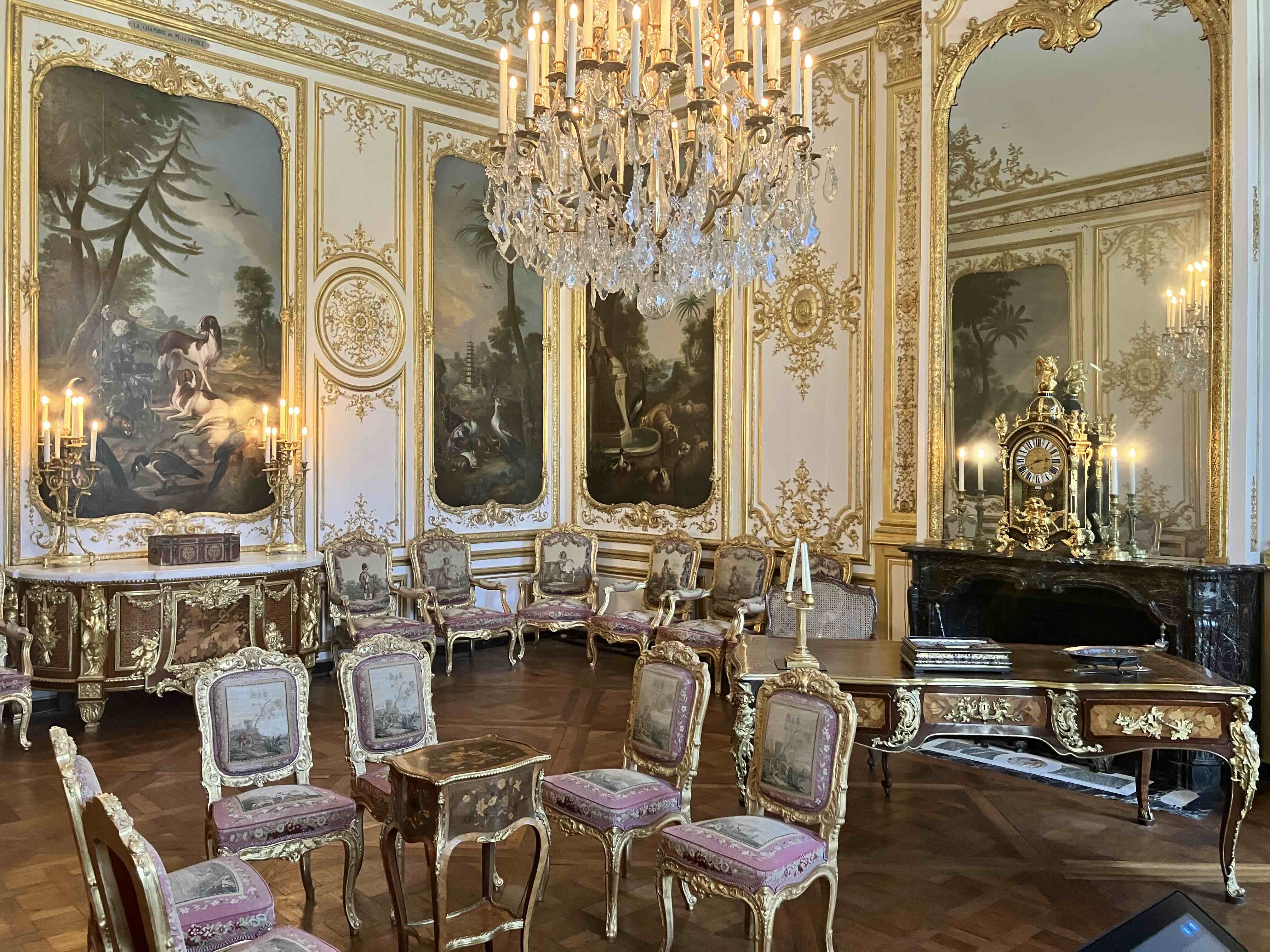
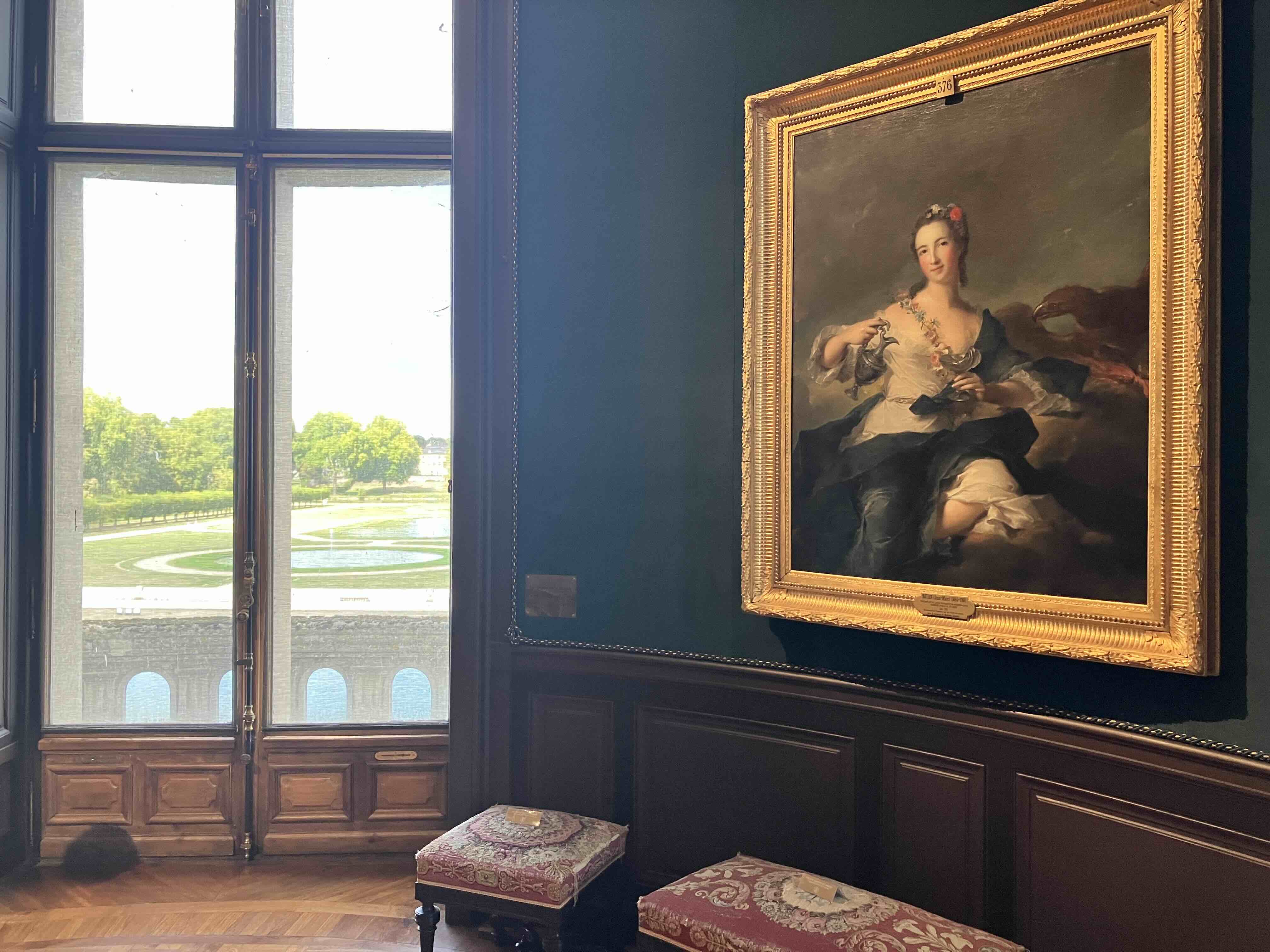
Inside, the first thing I noticed were the incredible styled rooms of the castle. The decorative details and architecture make it very easy to imagine this as a princely residence rather than simply another French monument. The Grand Condé turned Chantilly into an important intellectual and social centre. Molière, Racine, La Fontaine and La Bruyère were among the people connected to his court. Standing among those rooms, knowing who had actually spent time here, gives the interiors a different context.
A Château That Was Destroyed
One of the things I found most difficult to comprehend was how much of Chantilly was destroyed during the French Revolution. The Grand Château was completely demolished, leaving only its foundations. The Petit Château survived. What stands today is largely the work of Henri d'Orléans, Duke of Aumale, who rebuilt the Grand Château between 1875 and 1885 with the architect Honoré Daumet.
That sounds surprisingly modern for a French château. But once I understood why it happened, I looked at the building differently. Aumale wasn't simply constructing a new palace. He was rebuilding a historic site and creating a place specifically to house his collection. His own story makes this even more striking. He inherited Chantilly when he was only eight years old. Later in life, he lost his wife and all eight of his children. I can only imagine what that kind of personal loss must have meant to him. What we can see is that an extraordinary amount of his attention went into Chantilly, its restoration and his collection.

A Collection That Cannot Be Replaced
Aumale didn't try to create a perfect copy of the château that had existed before him. He used his own taste while paying tribute to the Montmorency and Condé legacy. He brought together exceptional furniture, decorative arts and paintings and created interiors around them. That reminded me of the Isabella Stewart Gardner Museum in Boston. In both cases, the building was created around the collection rather than simply providing a neutral space for it.
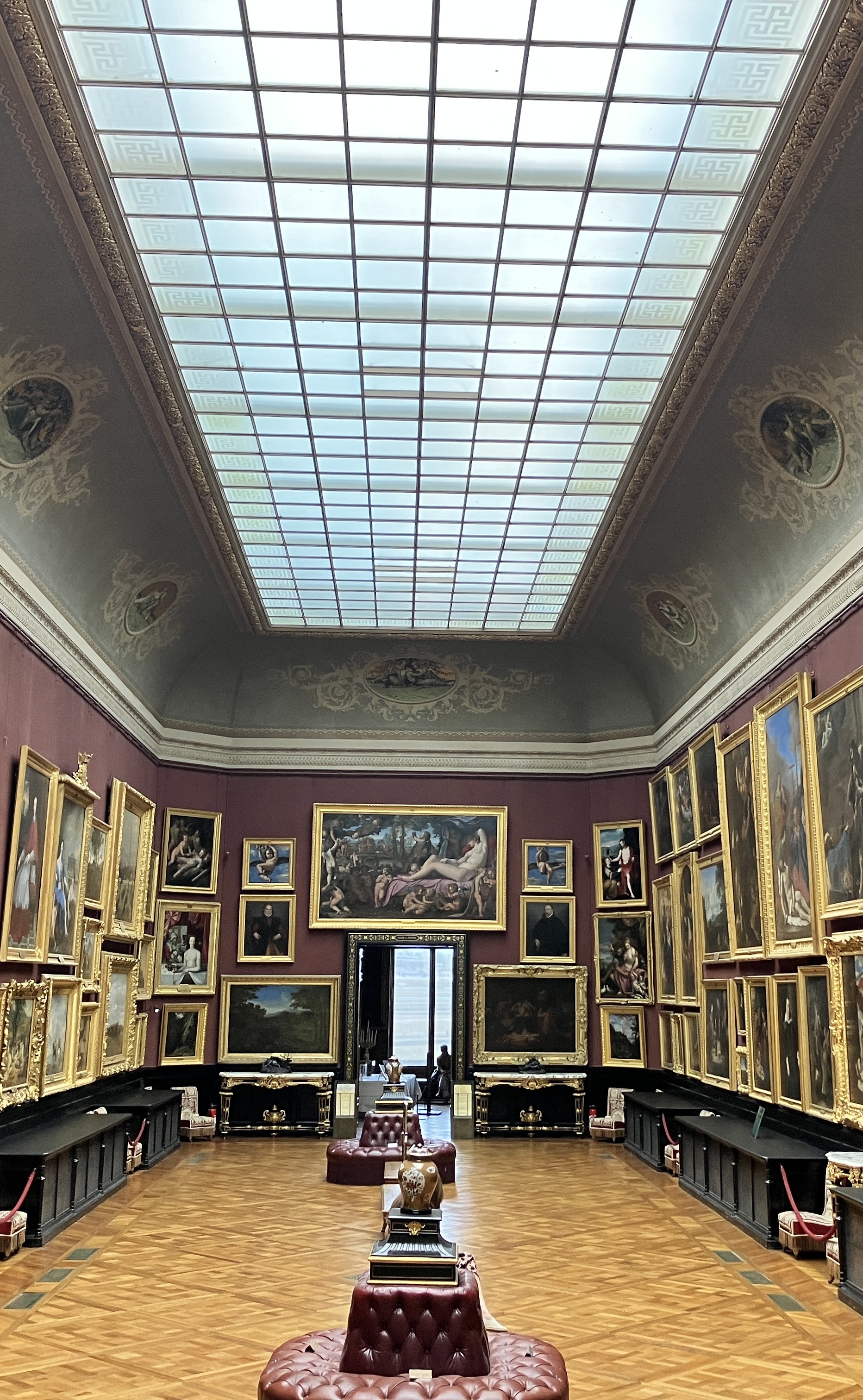
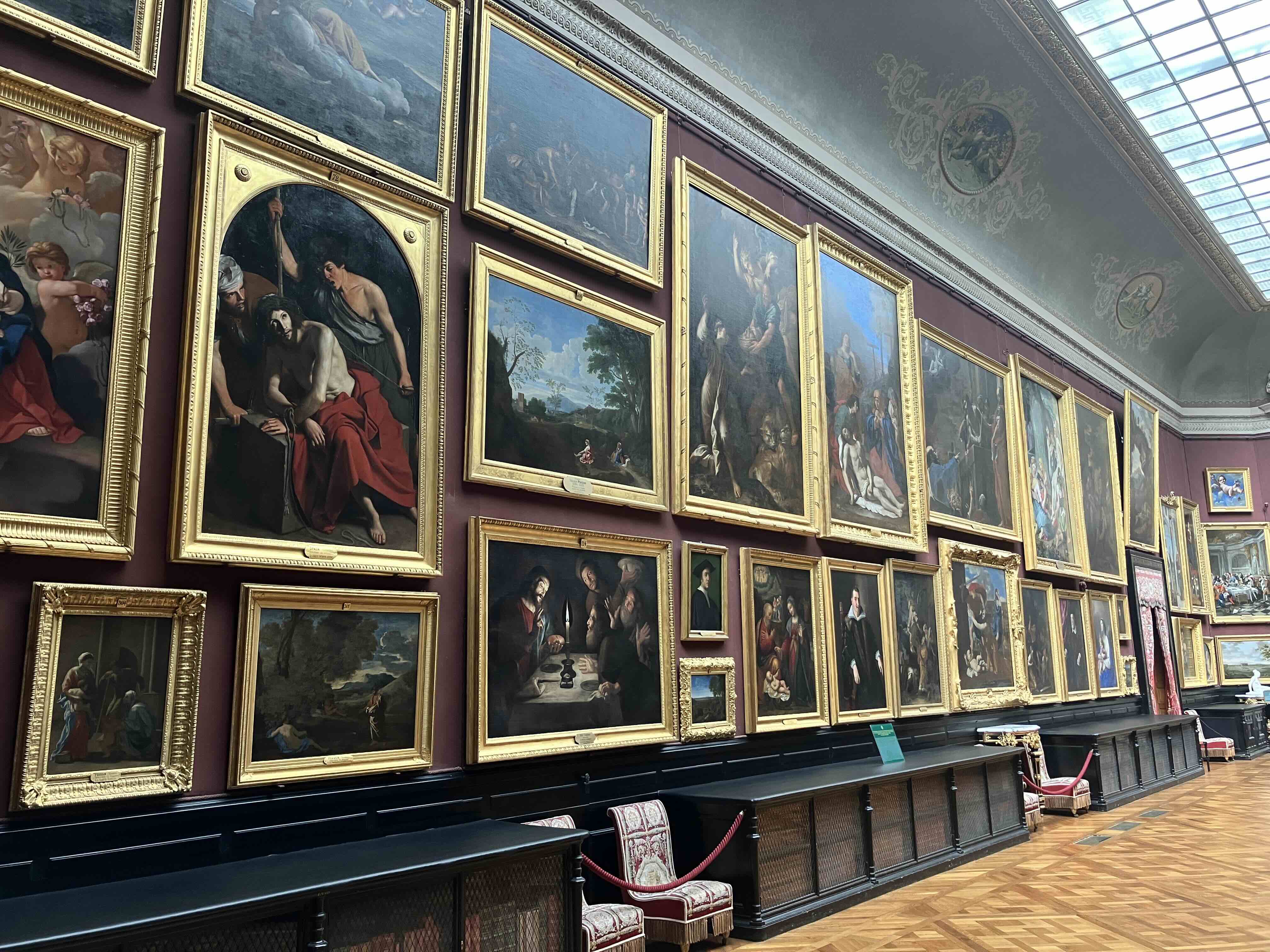
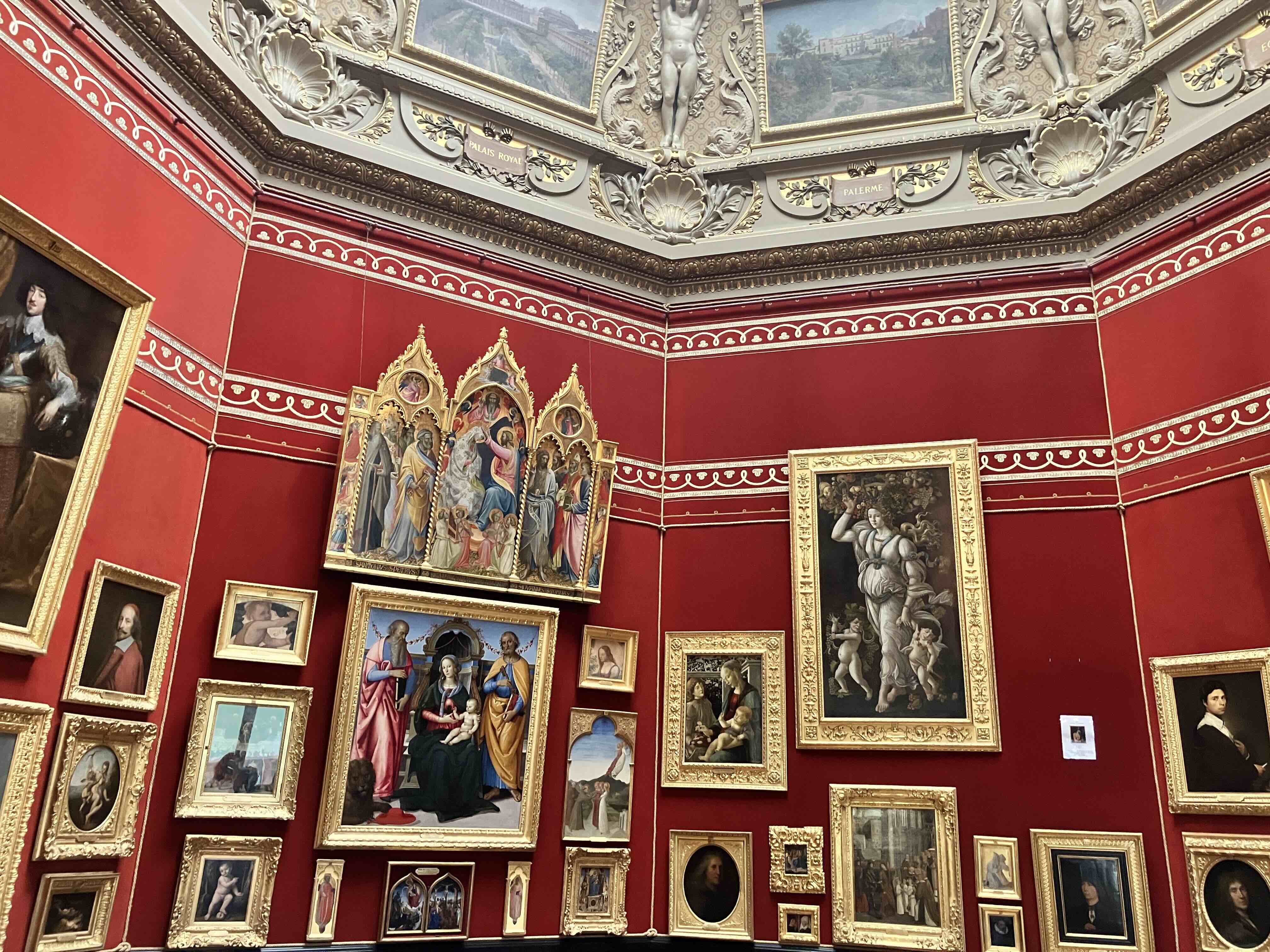
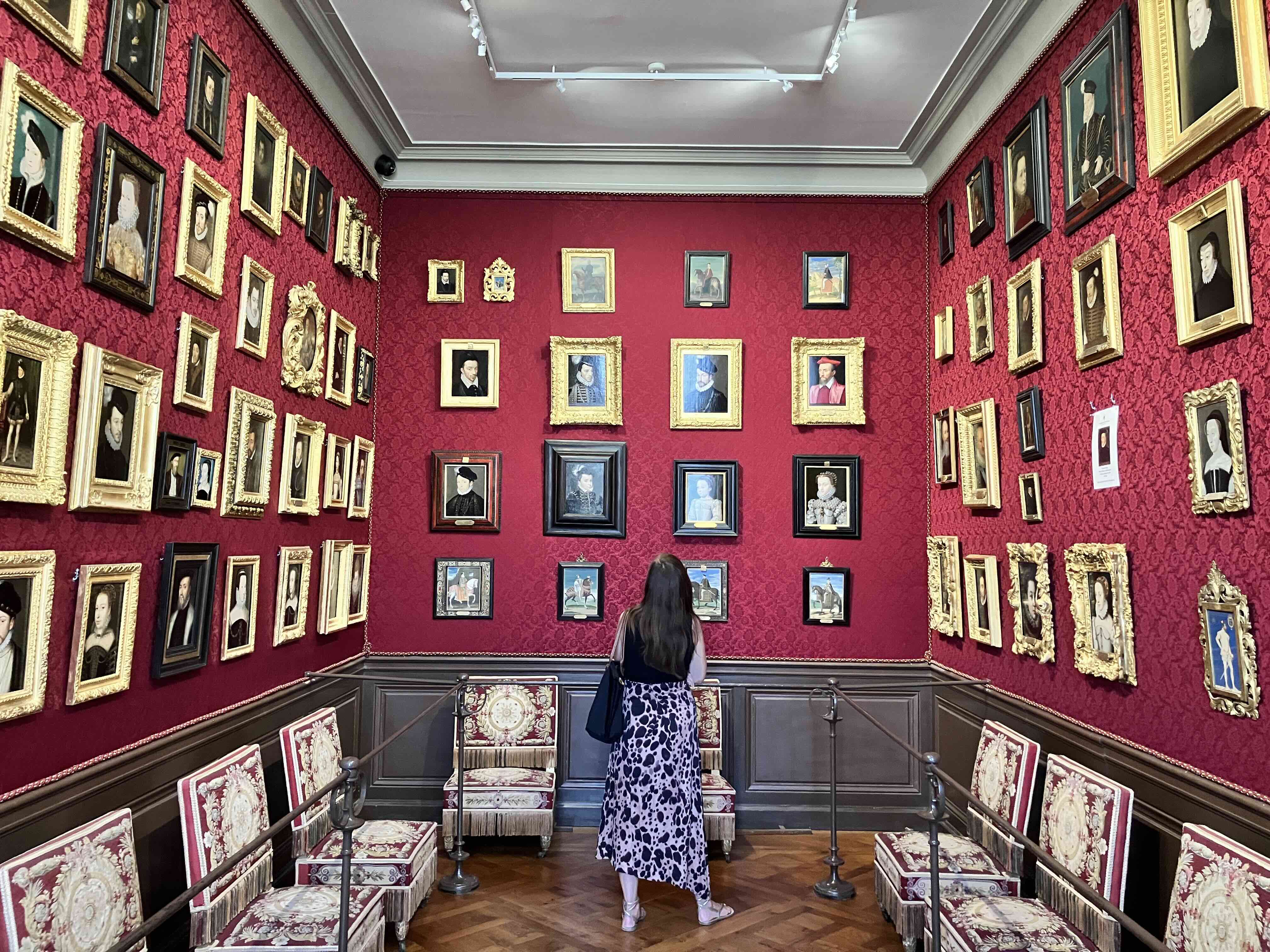
I particularly loved the way the paintings are displayed at Chantilly. You don't simply move from one period to another in chronological order. Instead, you come across one painting after another, with completely different artists and periods appearing together. The castle is famous for housing the second largest picture collection in France, áfter the Louvre!
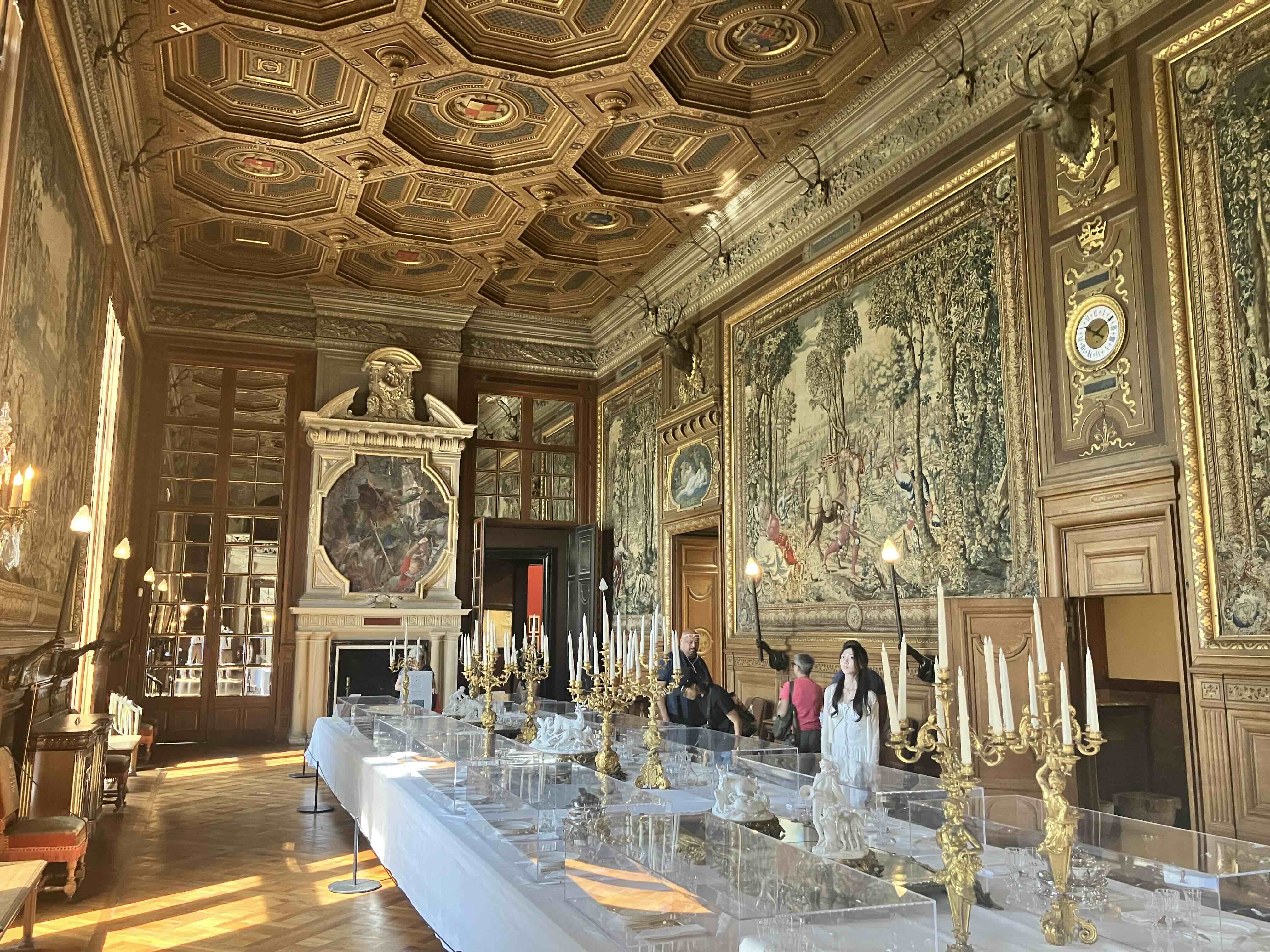
In one room, I found Memling, Lippi, Watteau, Le Brun, Delacroix, Reynolds and one of my favourites, Prud'hon. Imagine all of that in one room. The dining room is another example. The eight Gobelins tapestries are extraordinary, and the combination of paintings, furniture and decoration makes the entire room feel like part of the collection rather than a backdrop for it.
Why I Would Return
I could easily spend several more visits at Chantilly. I would want to compare paintings from completely different periods and look at the collection without having to follow a conventional museum route. There is also something I particularly appreciate about Aumale's decision that the collection should remain intact. Nothing is simply sent away because another institution wants it for an exhibition. You have to go to Chantilly to see it. This particular fact feels increasingly unusual. Even at other historic private collections, individual works can be on loan elsewhere.
There was one part I would personally skip: the book collection. We bought the additional timed ticket because I was particularly interested in the books and bookbinding, but I found the presentation disappointing. There was a facsimile of the Book of Hours, but very little for someone interested in actual bindings, leather, tooling or construction. For me, it wasn't worth the extra visit.
The paintings are another matter entirely. Chantilly isn't a smaller Versailles or Louvre. It is something quite different. The estate is enormous, the collection is exceptionally broad with 850 paintings hanging and over 30.000 paintings as a complete collection. te fact that it remains together gives the whole place a very particular character. For anyone who already knows the Louvre and Musée d'Orsay, I would still make time for Chantilly. I certainly need to go back. Three or four visits might be enough for me to start feeling that I have actually seen it.
Experience Chantilly with DeSalvio Travel
Chantilly is easy to visit from Paris, but we think it deserves more than a quick excursion. We can arrange a stay at the wonderful Auberge Du Jeu de Paume, which allows you thetime to explore the château, collection, gardens and surrounding estate without rushing. If you love art, history and places that still feel personal rather than overly curated, let us design your Chantilly experience around what interests you most.

Robert Poortinga
Travel Booking Assistant
River cruise & Europe destination expert
Culinary and art travel specialist
Concert Pianist
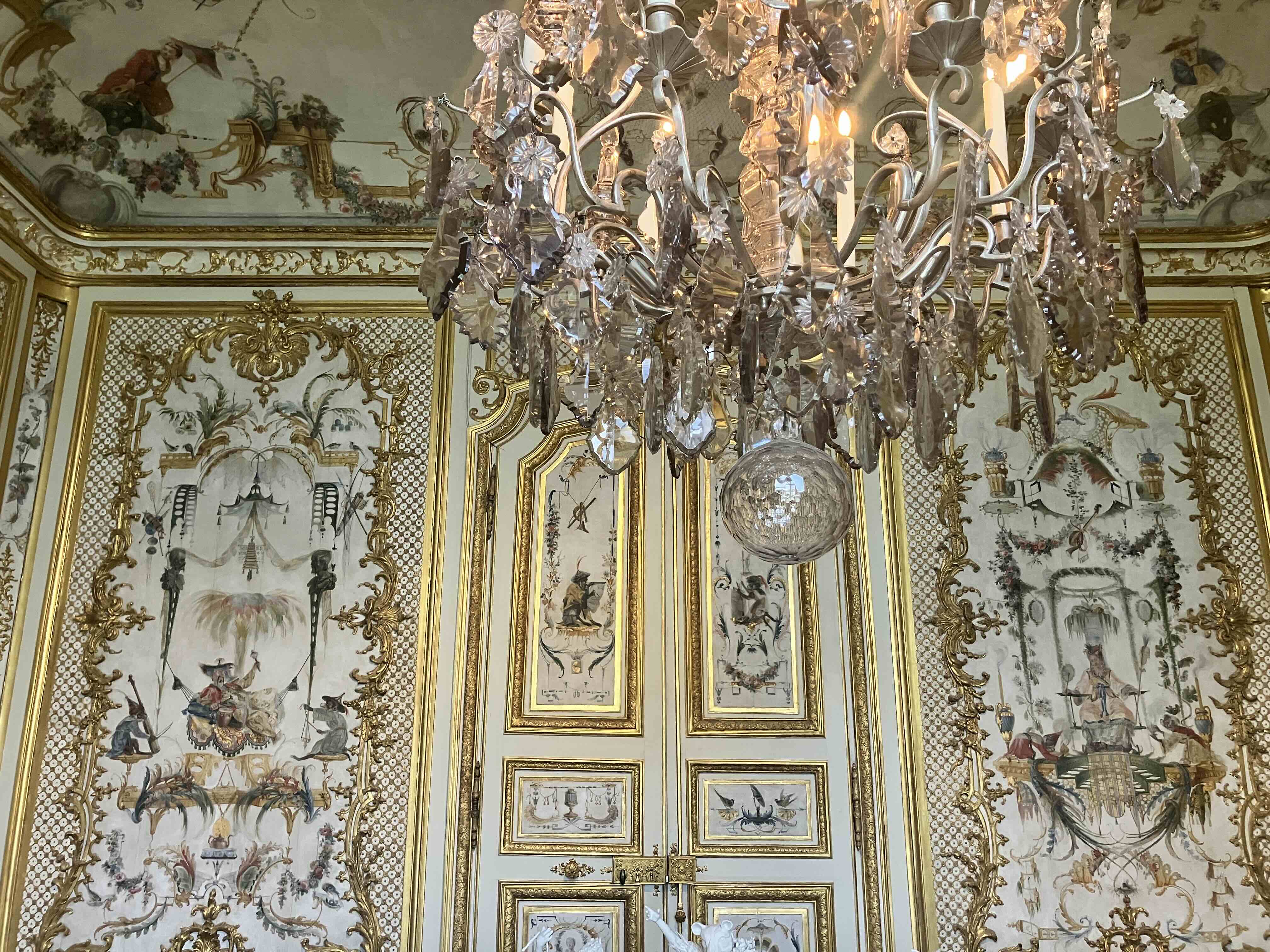
Some other impressions of Chateau Chantilly:

_Black.png)