.svg)
Atlas Mountains & Berber Culture: Reflections
Introduction: Listening to the Mountains
The Atlas Mountains are often described as dramatic landscapes, remote villages, and breathtaking routes. But behind the scenery lies a deeper reality: a culture shaped by altitude, time, and endurance. These mountains have been habited for millennia and a rich culture has developed that shaped Moroccan culture deeply. Their cooking traditions, like the Tajine, are being used all over the world and we have written about our Tajine experience as well, visiting a family high up in the mountains and learning the true way of Tajine cooking.
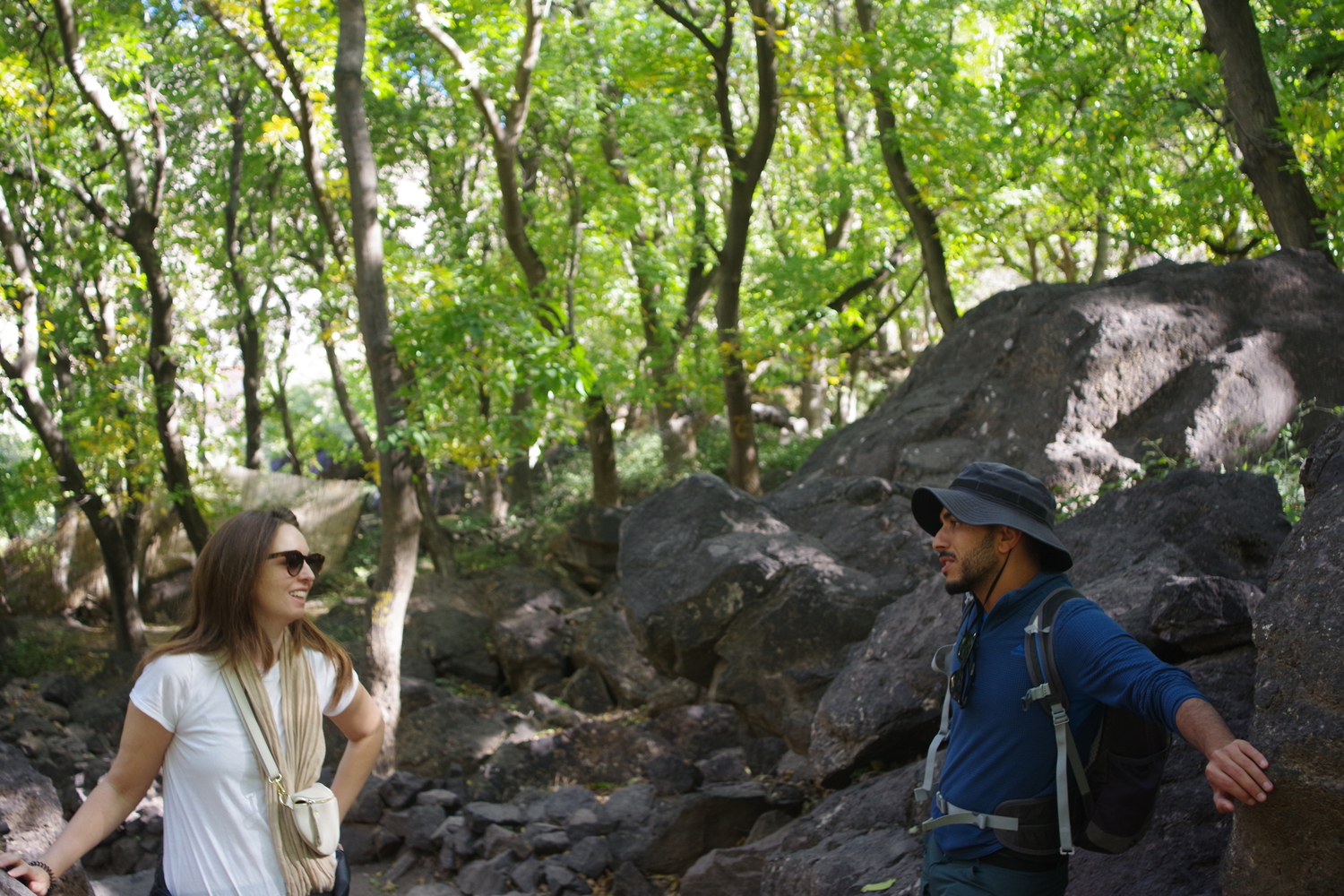
During our journey in the High Atlas, We spoke with Brahim, a fantastic Berber guide and owner of berbermagictours. His words revealed not only a way of life, but a philosophy rooted in land, memory, and community. This conversation is not about tourism alone, it is about identity, survival, and what it means to belong to a place.
Below is our conversation, truly fascinating and worth reading.
The Mountains as Identity
What does the Atlas Mountains mean to you personally?
The Atlas Mountains mean home, identity and survival. These peaks are not mere geography
they are ancestors, stories and the building blocks of everything we are. The mountains have
created a sense of community and self-sufficiency among the Berber tribes, where distance is
measured in hours travel not kilometres. All these valleys, all these rocks hold memory. The
mountains toughened us, formed our character and gave us our name Amazigh, the “free
people.”
Traditions in Everyday Life
How do Berber traditions shape daily life in the mountains today?
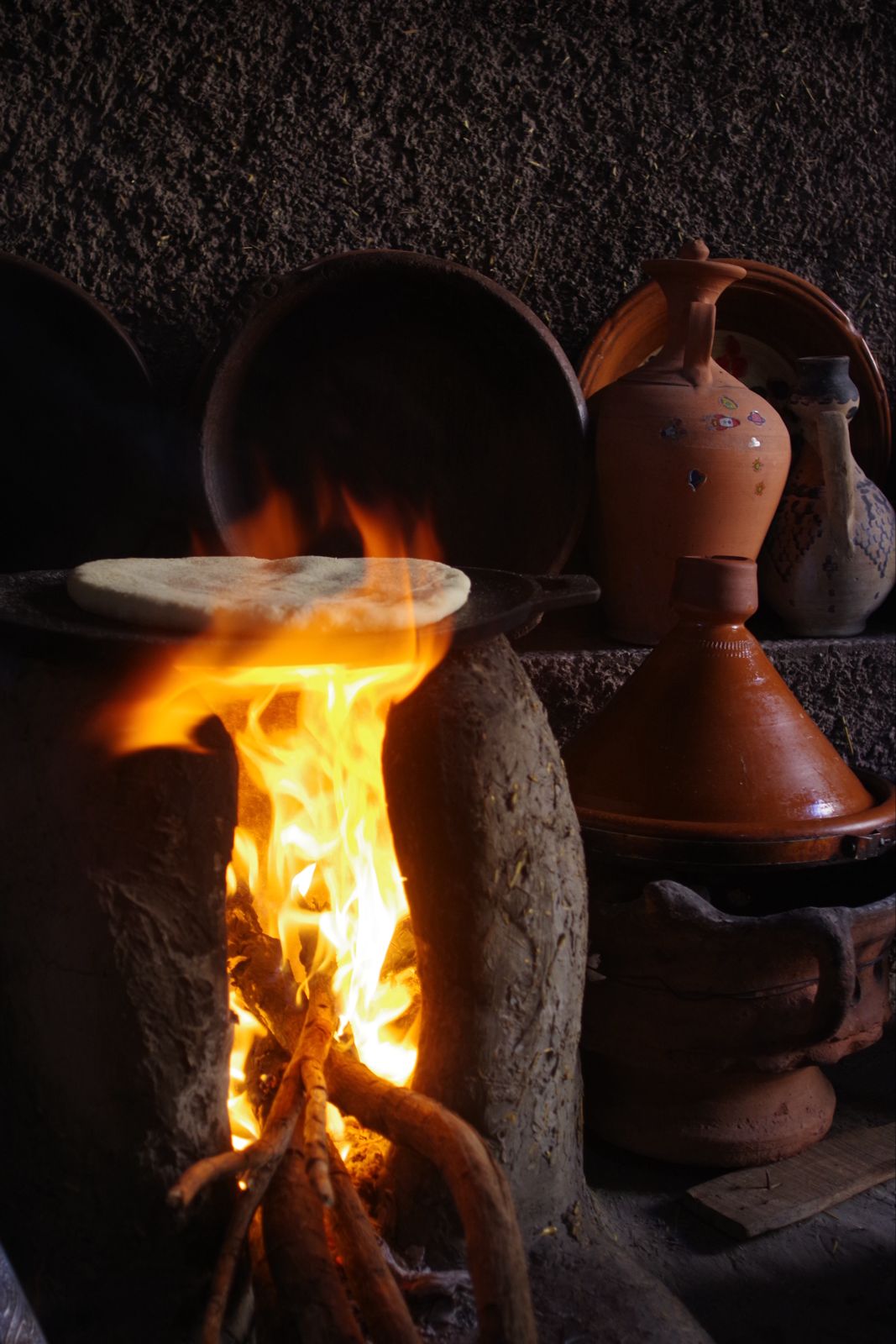
In mountain villages, time-honoured traditions persist: Terraced farming by hand, women
baking bread in clay ovens, the clinking of cowbells reverberating through the alpine slopes.
Daily living is in tune with nature and the seasons. Life is deeply connected to the land and
lived day by day, in harmony with the rhythm of nature.
The women weave rugs according to traditional methods passed down through generations,
the men tend orchards of walnuts and cherries, and families come together for mint tea a
cherished ritual of hospitality. Ancient architecture had the advantage of being built largely
with mud and stone from the land. In the Atlas, Berber weddings are mass community events
that can bring hundreds of guests from several villages together. It isn’t something to be
brought out, dusted off and put on display for tourists; these traditions are not museum
pieces, but living practices that remind us of our ancestors and each other.
Proverbs and the Meaning of Belonging
What is one Berber proverb that reflects how you see life, nature, or travel?
“A country in which the stones recognise you is better than a country where the people
recognise you”.
That speaks to our intimate ties with place. It’s not a question of fame or strangers’ approval
it’s that you belong to the land, which knows your footfalls, even the stones know your
footfalls. Another proverb which flickers before me: "The day shall not be twice for a man to
awake. “We only get one life, so make the most of it Don't wait for second chances”.
Sustainable Travel and Cultural Responsibility
What does sustainable travel mean for mountain communities like yours?
Sustainable tourism is one that respects and safeguards a cultural heritage, acknowledging the
fact that when people come to Berber villages they are not strictly tourists; they become
woven into a culture and tradition. It’s tourism that respects our way of life rather than
preys on it.
Tourism which is sustainable supports local community development and employment, helps
in the improvement and vitality of local life, maintains the viable business operations while
conserving fragile mountain environment. It’s about paying fair wages to guides and
muleteers, buying crafts directly from women’s cooperatives and making sure that the profits
stay in our villages rather than flow to faraway cities. Be at Berber families for meals and
hospitality help sustain a mountain way of life.
Genuine sustainable tourism is respectful of our dignity and traditions but offers economic
alternatives so that young people don’t need to move to cities.
Cooking as Memory and Ritual
What is the meaning behind traditional Berber cooking, and how does it connect to mountain life?
Every dish speaks the story of these mountains. All the patience, all the timeliness of
cookery is in that tagine slowly cooked over a fire. Slow-cooked tagines and freshly baked
khobz bread are on the menu from locally-sourced produce. All of the ingredients , olives,
almonds, honey, preserved lemons are from our terraced gardens on mountainsides.
Cooking is communal. Women bake their bread in a clay oven home, and with the baking
they share work and conversation. The gesture of feeding and serving mint tea, is not just
politeness, it’s a sacred duty. A guest we call a gift from God. That’s the thing about sharing
a meal in a Berber home: It’s not just sustenance, you are participating in centuries of
tradition and tasting nothing less than the mountain itself.
Tourism and Transformation
How has guiding tourists changed your village or family life?
Tourism was both a potential windfall and a tricky issue. It offers a stream of income that
allows families to stay in the mountains rather than heading to the city. And they were due to
join the ranks of young men who might have left but now work as guides, keeping our culture
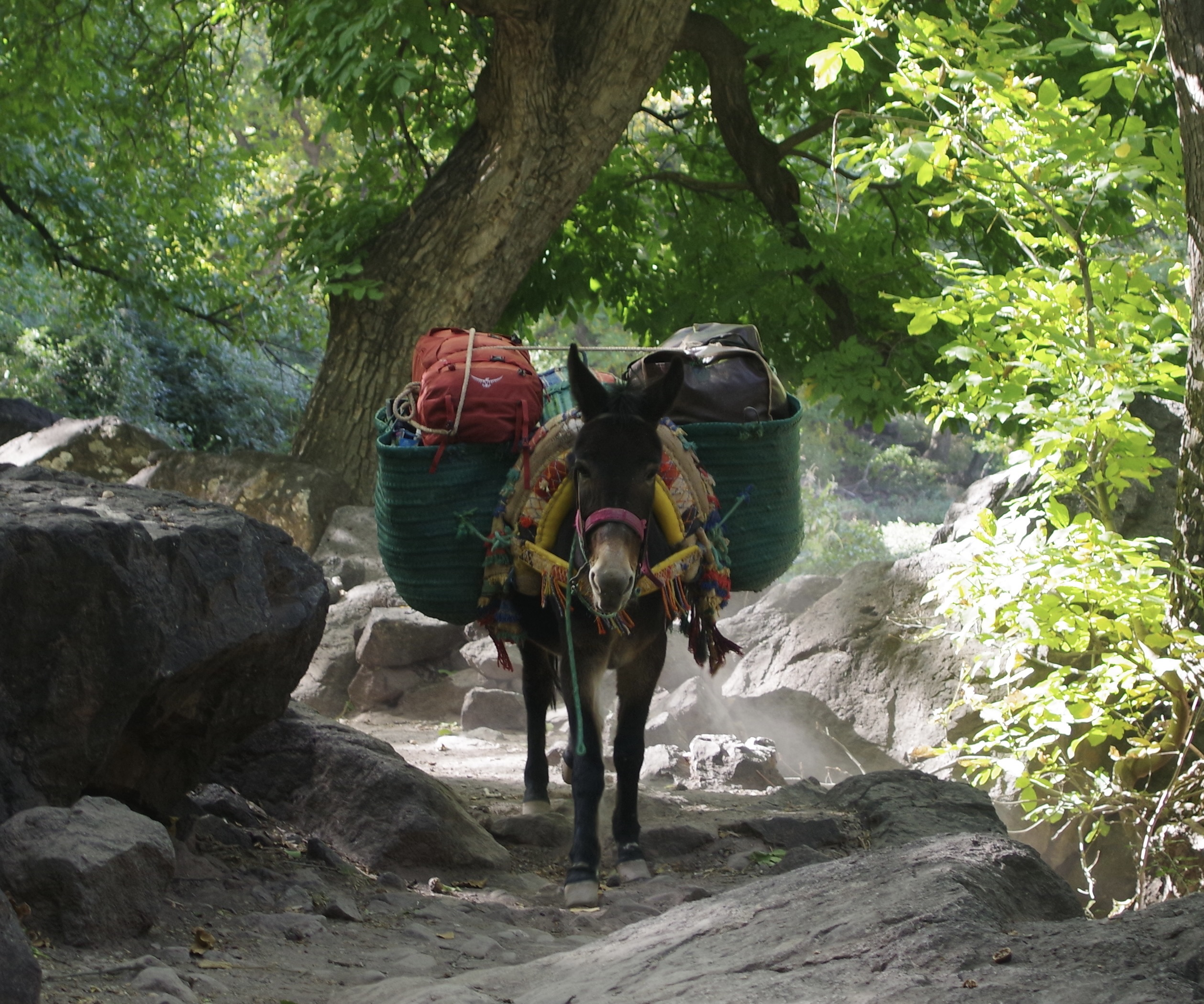
alive by sharing it. Guides are paid decently and mules enter care programs to regulate how
they are treated, when they work and how much.
The challenge is to make tourism serve our community rather than turning us into a
phenomenon.
The Most Meaningful Moment
What is your favourite place or moment in the mountains and why?
Red turned to green along terraced slopes, which was filled with cherry, apple and walnut
trees that overlooked the valleys. But more than any one place, my favourite time of day is
early morning when mist rises from the valleys.
The hour before the world wakes up, when you can hear only wind (or maybe a far-off goat
bell), and there’s snow on Toubkal glinting in its first light that’s when you understand why
our forebears settled for these mountains. It’s when I feel I have a connection with
everything: the land, generations before, the sky, God.
Lessons from Berber Life
What is one lesson from Berber life that you wish visitors could take home with them?
If there is one thing from the Berbers’ way of life that you wish visitors could take home,
what would it be?
Hospitality and community over individualism. We have a proverb, ‘There is no man save
he who takes his stand with other men.
One can't live solitary in the mountains. “We share work, meals, parties, grief. Neighbours
just show up when there is help needed. There is no fixation on privacy, no locked doors
against one another. This forms a kind of safety net that money can’t buy.
We get a lot of tourists from places where everyone lives behind walls, where neighbours
don’t know each other’s names. They are rich in things but real wealth is being able to think
that if your house burns down, you can sleep in twenty others. That if you are hungry, you
will eat. That you're never truly alone.
The Future of the Atlas
How do you see the future of the Atlas Mountains and its people?
With both hope and concern. While many leisure travellers are looking for value-driven
experiences, an ever-growing number simply want to know that what they’re doing isn’t
harmful on a larger scale , and thus more opportunities open for both business and schema.
Real cultural tourism interests could keep us alive by turning our lifestyle into a business.
Yet climate change puts our water supplies and agriculture at risk. Technology and
opportunity draw young people to cities. The earthquake of 2023 showed how
susceptible we were. Tourism that maintains cultural practices but offers economic options as
an alternative is important for the future.
I think we will survive after all, we have survived for centuries by adapting but not losing our
fundamental identity. The future is contingent on whether we can strike a balance, welcoming
the world but not losing our own selves to it, or accepting to change without losing what
makes us Amazigh. The mountains have seen empires come, and go. We remain. That is our
hope for the future, and our promise to it.
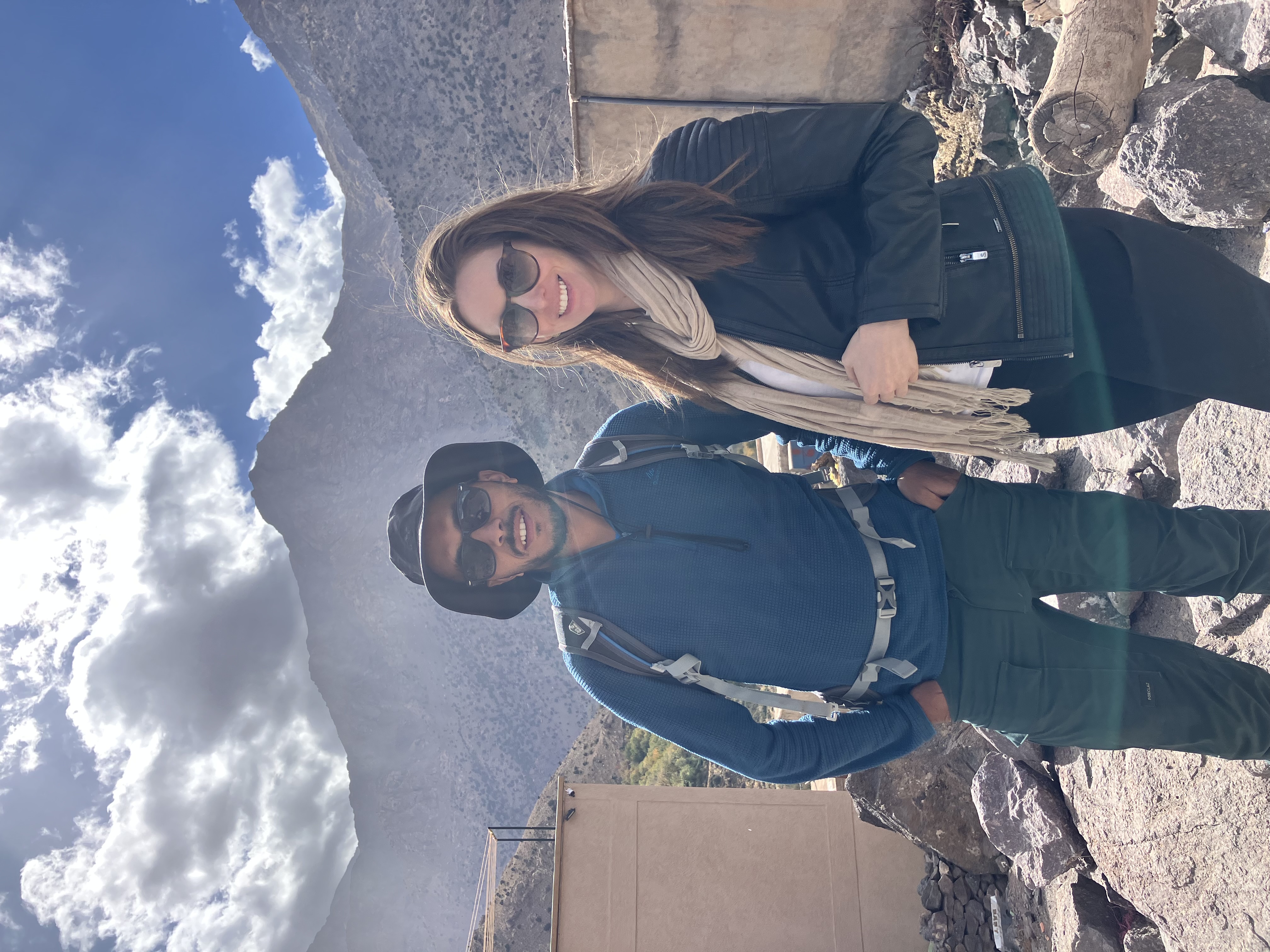
I invite you to visit Brahim's company website as his guidance was truly spectacular and made an incredible lasting memory for our Atlas Mountains experience.
_Black.png)