
The Collection of Chantilly: Inside the Musée Condé
“I Have Never Seen Something Like This”
Marisa's first reaction to the Musée Condé was simply: “Waaauw. I have never seen something like this in my life.”
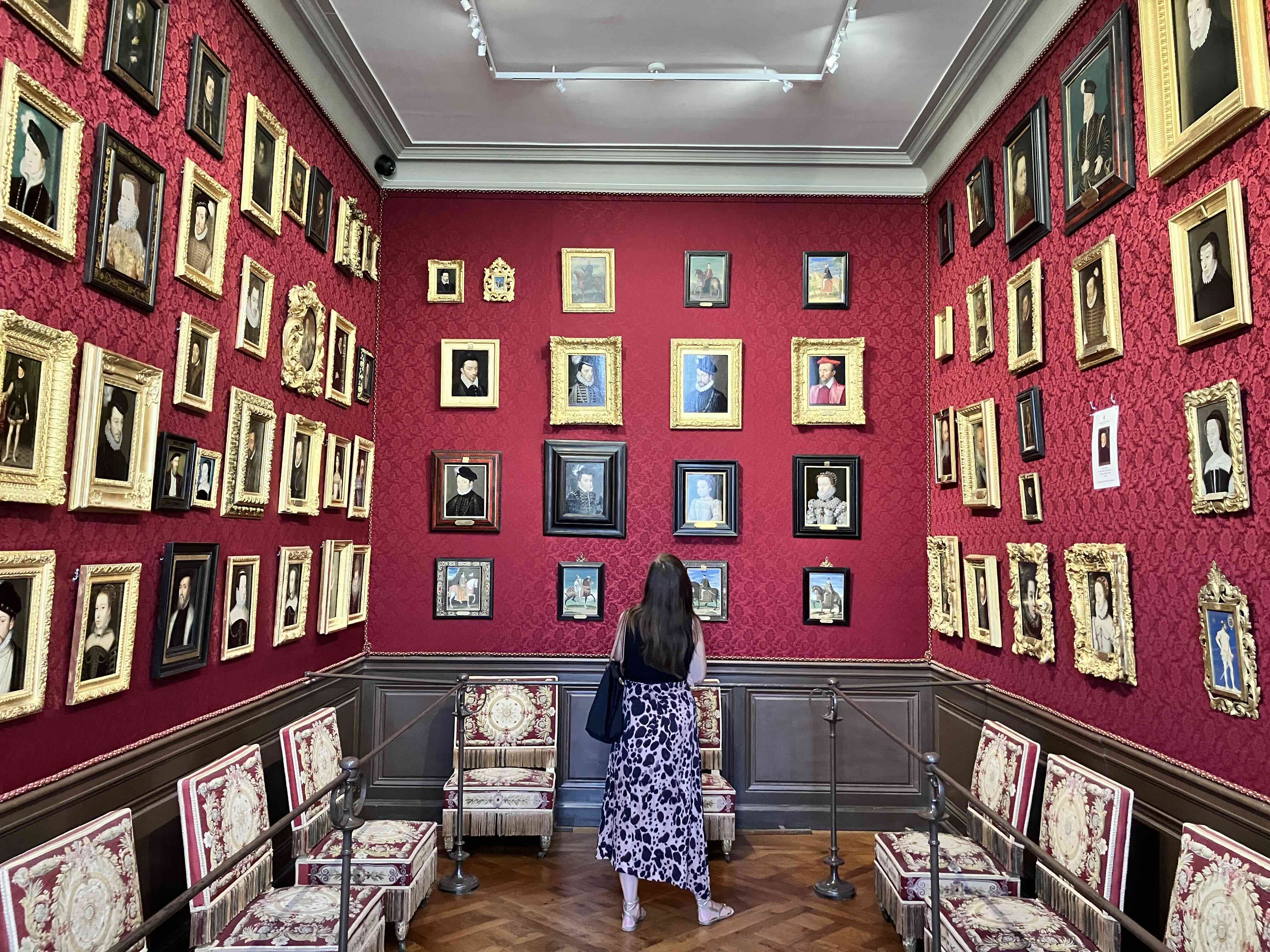
I initially tried to understand what the Duke of Aumale wanted to say through the way he placed the paintings. Once I understood that each painting was its own discovery, I stopped trying to work through the museum in a particular way. It became an adventure. Around every corner there was something new. That is unusual for a museum.
I have visited enough museums to know how quickly you can fall into a rhythm. One room gives you a period, the next gives you another style, and after a while you know what to expect. At Chantilly, that didn't happen. The collection is simply too full of surprises. There are works from the Italian, French, Dutch, German and English traditions, spanning different centuries. Botticelli, Raphael, Poussin, Watteau and Delacroix are part of the experience. Then you turn another corner and find something else.
A Private Collection Without a Predictable Route
What makes the Musée Condé so unusual is its sense of overabundance. It reminded me of the Petit Palais, where we also found paintings hanging in a way that did not always follow the museum rhythm I am used to. At Chantilly, though, the effect was even stronger because this is a private collection of extraordinary size and quality.
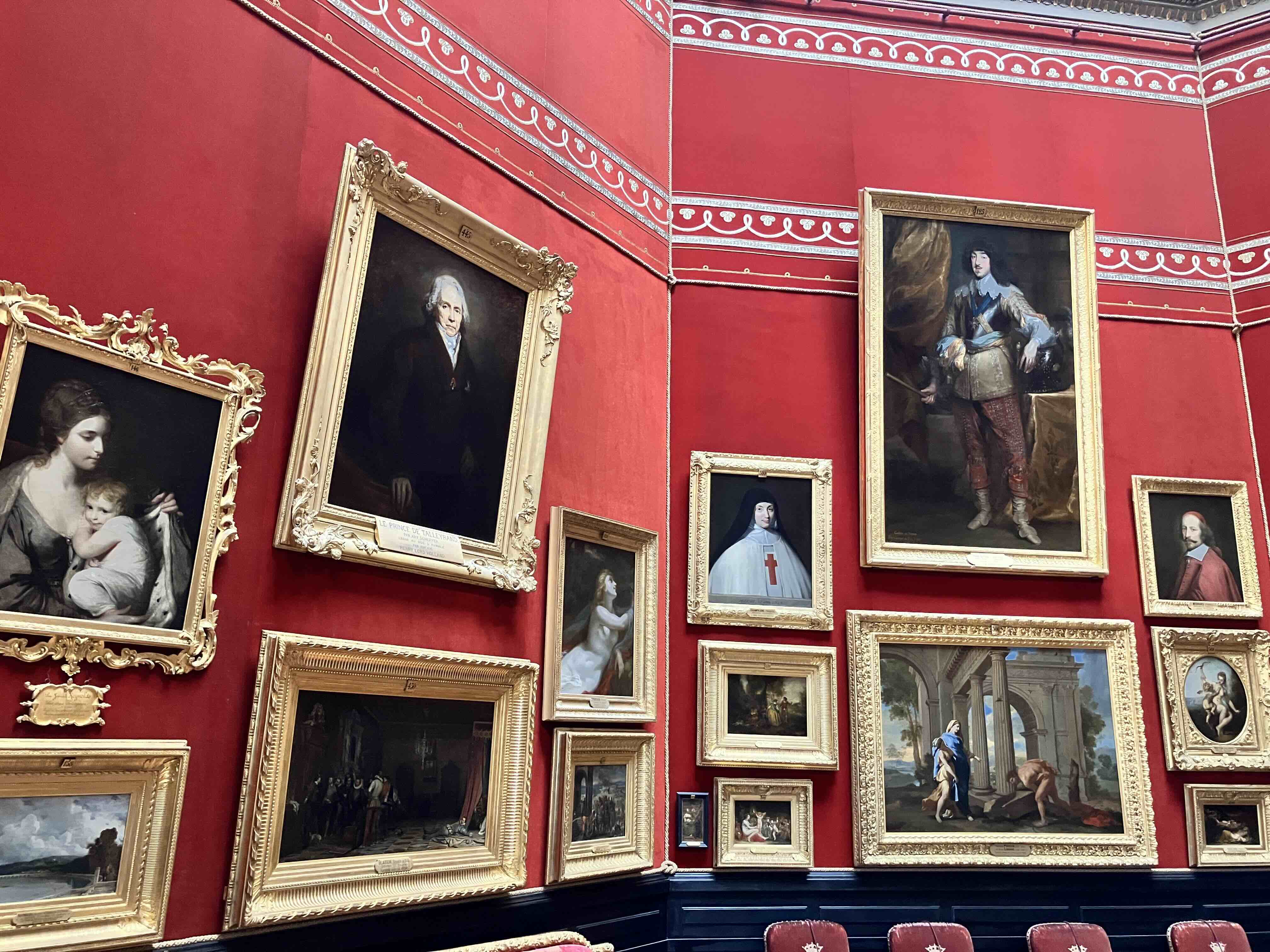
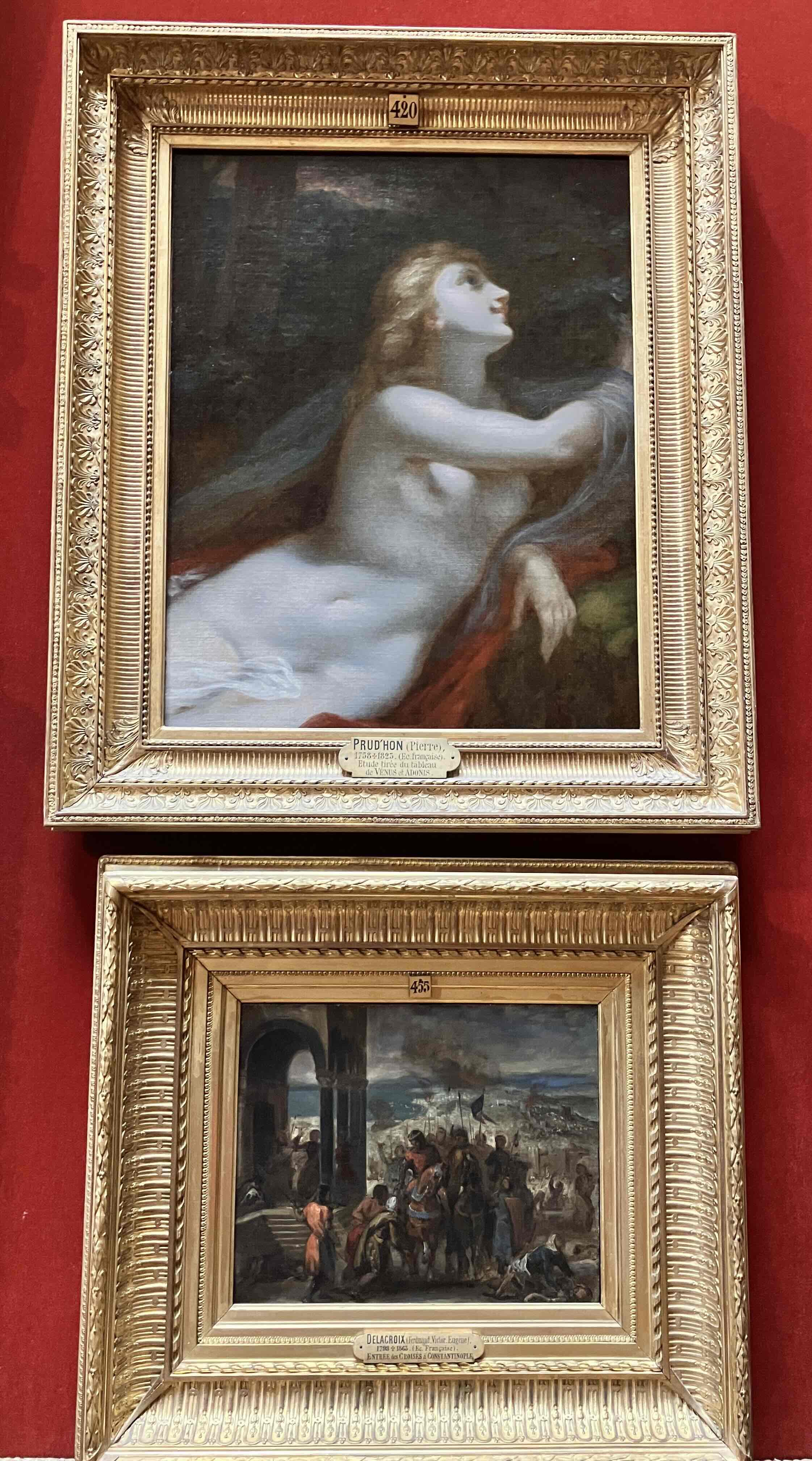
Instead of moving from style to style, I found myself looking at one painting and then another. The arrangement kept my attention. There was a smaller room that particularly stayed with me. It contained works by Memling, Lippi, Watteau, Le Brun, Delacroix, Reynolds and Prud'hon. Imagine seeing all of that in one room. I would have liked to have the room to myself. The more I look at paintings, the more I appreciate the simplicity of the early Renaissance. I would happily have spent much longer with Lippi and Botticelli. But Prud'hon surprised me.
Prud'hon and the Soul of a Painting
I think Prud'hon's name should be much better known.
In a letter from Rome in 1787, he wrote about the importance of what a painting does to the spectator rather than simply how skilfully it is made. He was already questioning the concentration on technique, colour and effects when the real purpose should be to create something that reaches the viewer.
That struck me.It is one of those moments when you encounter a painting and then find something in the artist's own words that makes you want to look again. Prud'hon had an early Romantic idea about the emotional effect of art, long before Romanticism fully developed.When I return to Chantilly, I want to spend much more time with his work.There was also a room with around ninety 16th-century portraits that I found remarkable. Those portraits needed more time than we had. I would go back to that room first.
The Books I Wanted to See
There was one part of the collection that disappointed me: the book collection.
I was particularly interested because of my passion for bookbinding. I had hoped to see manuscripts, incunabula and illuminated books where you could actually examine the binding. I wanted to see the headbands, the leather, the tooling and the construction. Instead, the books were mostly visible from their spines. There was also a facsimile of a Book of Hours. For me, honestly, a facsimile is not the same thing. The generic and tasteful bindings on the shelves were interesting, but I wanted to see the physical construction of the books themselves. For someone with a lesser interest in bookbinding, I would probably skip the separately ticketed room.
The paintings are another matter entirely. I could easily return three or four times and still feel that I had not seen everything. For another visit, I would go straight back to the room with Prud'hon and the 16th-century portraits and give the paintings the time they deserve.

Read other articles about our visit to Chantilly:
DeSalvio Travel Review of the Great Stables & Gardens of Chantilly
Chantilly: A Castle Built Around a Life, a Collection and a Loss
DeSalvio Travel Review of Virtuoso Hotel Auberge de Jeu de Paume. Chantilly, France
How DeSalvio Travel can help you plan you next journey
If you are travelling to Paris with a particular interest in art, we can help you look beyond the obvious museums. Chantilly is an easy example of why. We build cultural itineraries around the collections, artists and places that genuinely interest you, with enough time to experience them properly. Tell us what you love, and we can shape the journey around it.
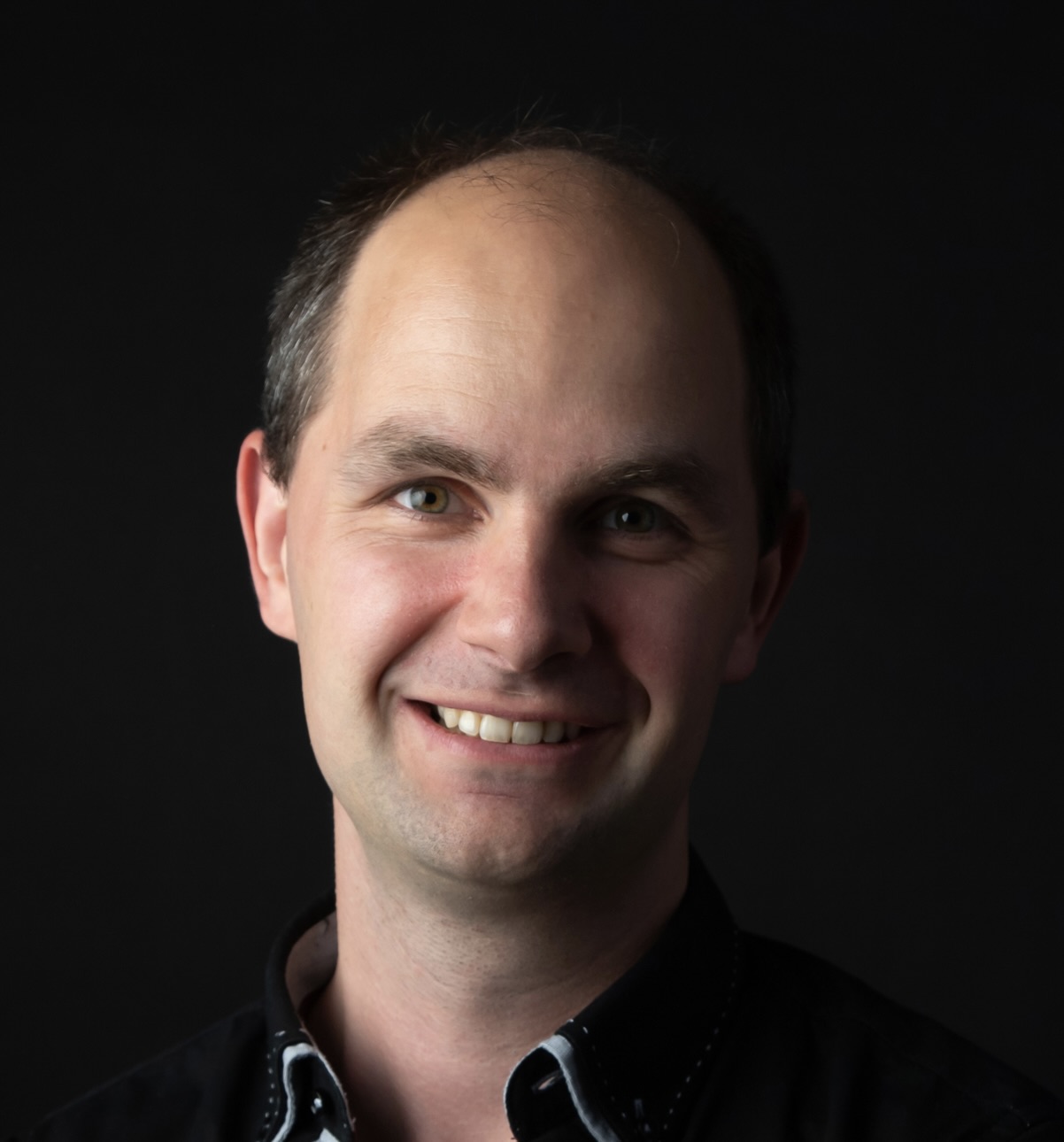
Robert Poortinga
Travel Booking Assistant
River cruise & Europe destination expert
Culinary and art travel specialist
Concert Pianist
